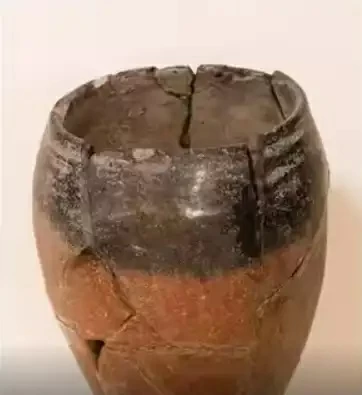
ظلّ إناء مصري قديم منسيًا لعقود داخل جراج عائلي في بريطانيا، قبل أن تكشف بطاقة ورقية صغيرة مرفقة به سرًا أعاد الباحثين أكثر من 130 عامًا إلى الوراء، وفتح أمامهم خيطًا جديدًا لتتبع تنقيب أثري غامض يعود إلى القرن التاسع عشر.
ولم يكن الإناء المصنوع من الفخار باللونين الأسود والأحمر لافتًا للانتباه للوهلة الأولى، خصوصًا أنه كان قد تعرض للكسر وأُعيد إصلاحه في وقت سابق، إلا أن بطاقة ورقية صغيرة مكتوبة بخط اليد كانت مرفقة به، حملت مفتاح القصة كاملة.
وعندما تواصلت العائلة مع متحف «بيتري» للآثار المصرية في لندن، تمكنت القيّمة الأثرية أليس ستيفنسون من تحديد أهمية البطاقة، التي توثق اكتشاف الإناء في موقع تنقيب قاده عالم الآثار الشهير «فليندرز بيتري» بين عامي 1894 و1895، وتحمل القطعة الرقم الأرشيفي (1754).
ويصنف الإناء ضمن الفخار المصري الذي يعود إلى فترة ما قبل الأسرات، نحو 3000 قبل الميلاد. وكان بيتري قد وصفه في البداية بأنه «فخار ليبي» بسبب حوافه المتفحمة، قبل أن يتراجع علنًا عن هذا التصنيف.
وتكمن أهمية البطاقة التاريخية في أنها تمنح الباحثين خيطًا أثريًا جديدًا لتتبع آلاف القطع التي وزعها بيتري على الممولين والمتاحف والمقتنين الأفراد حول العالم، وإعادة ربطها بمواقع مقابرها الأصلية.
وبعد خضوع الإناء لعمليات الترميم والدراسة، يستعد متحف «بيتري» في لندن لعرضه أمام الجمهور ضمن فعاليات «مهرجان الأواني الأثرية».
An ancient Egyptian vessel forgotten for decades inside a family garage in Britain has revealed a secret through a small paper tag attached to it, taking researchers back over 130 years and opening up a new thread for tracking a mysterious archaeological excavation from the 19th century.
The vessel, made of black and red pottery, was not particularly eye-catching at first glance, especially since it had been broken and repaired previously. However, a small handwritten paper tag attached to it held the key to the entire story.
When the family contacted the Petrie Museum of Egyptian Archaeology in London, curator Alice Stevenson was able to identify the significance of the tag, which documents the discovery of the vessel at an excavation site led by the famous archaeologist Flinders Petrie between 1894 and 1895. The piece carries the archive number (1754).
The vessel is classified as Egyptian pottery dating back to the pre-dynastic period, around 3000 BC. Petrie initially described it as "Libyan pottery" due to its charred edges, before publicly retracting this classification.
The historical significance of the tag lies in its provision of a new archaeological thread for researchers to trace thousands of pieces that Petrie distributed to sponsors, museums, and private collectors around the world, and to reconnect them with their original burial sites.
After undergoing restoration and study, the Petrie Museum in London is preparing to display it to the public as part of the "Festival of Archaeological Vessels."