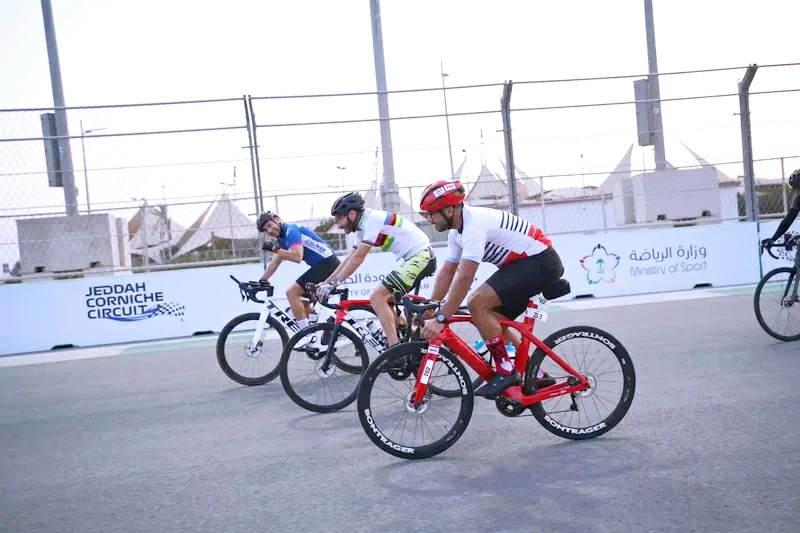
تكتسب الحركة اليومية مساحة أوسع في أبحاث الوقاية، بعدما أظهرت دراسة أوروبية حديثة، أن النشاط البدني الأعلى ارتبط بانخفاض خطر مجموعة من السرطانات، حتى لدى أشخاص يعيشون مع أمراض قلبية أو أيضية.
وقاد باحثون من الوكالة الدولية لبحوث السرطان دراسة مستقبلية ضمن مشروع EPIC، ركزت على النشاط البدني خارج العمل، بما يشمل الحركة المنزلية والترفيهية. وأظهرت النتائج، أن المستويات الأعلى من النشاط ارتبطت بانخفاض خطر 15 نوعاً من السرطان المرتبط بالنشاط البدني عند تحليلها مجتمعة. كما ظهر الارتباط لدى بالغين لديهم أمراض قلبية أيضية، مثل السكري من النوع الثاني وأمراض القلب، ولدى من لا يعانونها. ولا تجعل هذه النتائج الرياضة ضماناً لمنع السرطان؛ فالإصابة تتأثر بالعمر والجينات والتدخين والوزن والتعرضات البيئية وعوامل أخرى.
لكن الدراسة تعزز مكانة الحركة ضمن نمط الوقاية العام، وتوضح أن النشاط لا يقتصر على الصالات الرياضية؛ فالمشي والأعمال المنزلية والأنشطة الترفيهية، تدخل جميعها في حساب الحركة اليومية.
Daily movement is gaining wider recognition in preventive research, after a recent European study showed that higher physical activity is associated with a reduced risk of a range of cancers, even among individuals living with heart or metabolic diseases.
Researchers from the International Agency for Research on Cancer led a prospective study within the EPIC project, focusing on physical activity outside of work, including household and recreational movement. The results showed that higher levels of activity were linked to a decreased risk of 15 types of cancer associated with physical activity when analyzed collectively. The association was also observed in adults with metabolic heart diseases, such as type 2 diabetes and heart disease, as well as in those without such conditions. However, these results do not make exercise a guarantee against cancer; the risk is influenced by age, genetics, smoking, weight, environmental exposures, and other factors.
Nonetheless, the study reinforces the importance of movement within the overall prevention strategy and clarifies that activity is not limited to gyms; walking, household chores, and recreational activities all contribute to daily movement.