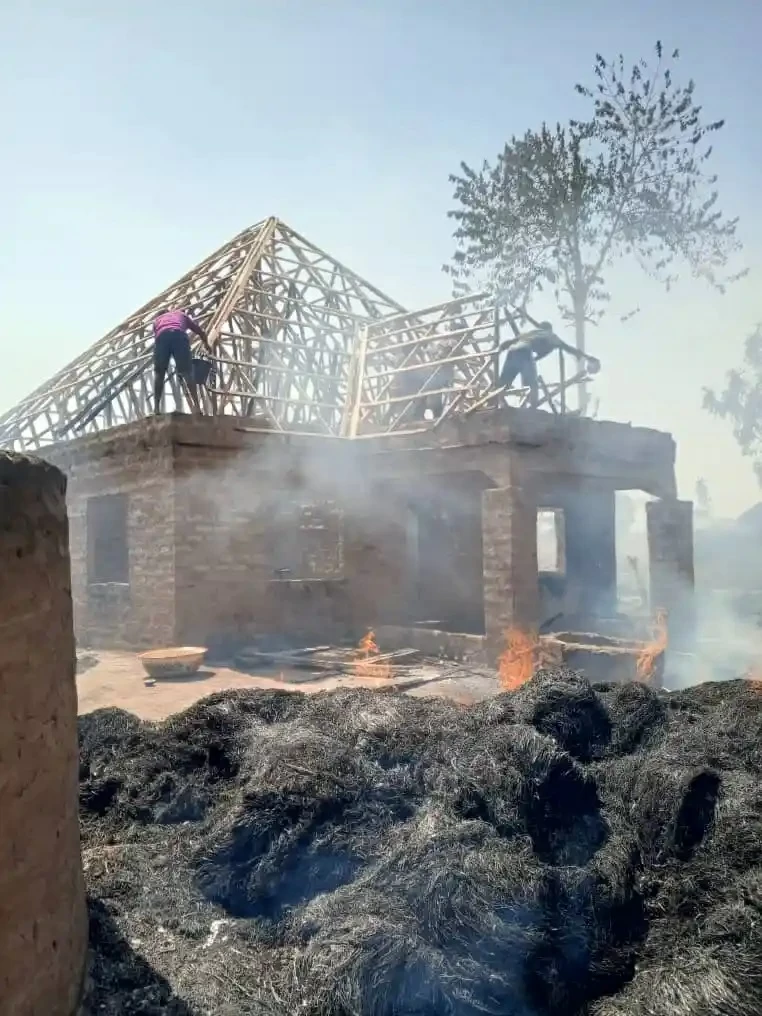
في ولاية بينو الواقعة وسط نيجيريا، حيث تفترض النصوص القانونية أن الأجهزة الأمنية وُجدت لحماية الأرواح والممتلكات، تحولت وحدة شرطة نخبوية تُعرف بـ«عملية زيندا» إلى رمز للرعب والموت. فبدلاً من ملاحقة قطاع الطرق والعصابات، تلاحق الاتهامات هذه الوحدة بتنفيذ عمليات قتل خارج نطاق القضاء، ومداهمات دموية، واختفاء قسري يطال السكان.
تجسد قرية «تسيه أنغادور» الزراعية المعزولة فظاعة المأساة، ففي الساعات الأولى من صباح 27 يوليو 2024، كان أهالي القرية يختتمون طقوس جنائزية تقليدية بعد وفاة طالبة رحلت عن الدنيا إثر مرض عضال. وفجأة، تحولت ليلة الحزن إلى مجزرة دموية.
اقتحمت عناصر «عملية زيندا» المكان وسط إطلاق نار عشوائي كثيف، ليجد المعزون أنفسهم أمام جحيم مفاجئ. يروي الناجون كيف سقط سبعة من المعزين قتلى بدم بارد، من بينهم الشاب أوندواكورا (34 عاماً) ولوبيم، في هجوم خلف وراءه أماً مكلومة فقدت ولديها وتعيش كابوساً لا ينتهي، متسائلة بحرقة: «كلما رأيت الشرطة، أريد أن أطلب منهم أن يقتلوني أيضاً».
ولم توقف الشرطة مجازرها عند القتل، بل سارعت لترحيل الجثث سراً إلى مشرحة خاصة مانعة الأهالي من الاقتراب، في محاولة لطمس معالم الجريمة، بينما التزم المسؤولون المحليون الصمت أو اكتفوا بتبريرات واهية ومساعدات مالية خجولة.
ولا تقتصر فظائع «عملية زيندا» على المداهمات الليلية العشوائية، بل تمتد لتحول غرف الاحتجاز ومراكز التوقيف إلى مقابر حقيقية للمشتبه بهم:
- قضية تيرنا تشادو (2022): قُتل الشاب أثناء احتجازه، وادعت الشرطة وفاته برصاصة طائشة أثناء تبادل لإطلاق النار، ورغم حصول العائلة لاحقاً على حكم قضائي بتعويض قدره 50 مليون نايرا، إلا أن العدالة ظلت حبراً على ورق.
- مصير بول أتشوف الغامض (2025): خريج فلسفة اعتقلته الشرطة ولم ترَه عائلته منذ ذلك الحين، وسط تسريبات أمنية تفيد بتصفيته جسدياً، ورفض قاطع من السلطات لتقديم أي تفسير رسمي لمصيره.
- ضحايا التعذيب والاحتجاز: تتسارع حوادث الوفاة تحت التعذيب أو الزعم بمحاولة الهروب، مثلما حدث مع فانين كبينتيمين وتوردو شابيلا، وسط روايات رسمية متضاربة تنفي المسؤولية وتلقي باللوم على الضحايا أو السكان المحليين.
ورغم زيادة حكومة ولاية بينو لإنفاقها الأمني بشكل ملحوظ (مخصصة مليارات النيرات لتعزيز الأمن الداخلي في موازنات 2023 و2024 و2025)، إلا أن وسائل الإعلام المحلية ترى أن هذه الأموال تذهب لتمويل آلة قمع ترتد ضد السكان بدلاً من حمايتهم.
من جانبه، نفى قائد الوحدة إرنست أكيج، كافة الاتهامات الموجهة لعناصره، مؤكداً أن عملهم يتم وفقاً للقانون، ومتهرباً من تقديم التقارير الطبية أو أدلة التشريح. وفي المقابل، تتقاذف الجهات الحكومية والشرطية مسؤولية تشكيل لجان التحقيق، مما يُكرس ثقافة الإفلات من العقاب، بحسب الإعلام المحلي.
وتبقى الحقيقة المرة في ولاية بينو أن السكان باتوا يخشون الحارس الذي افترض فيه أن يحميهم، بينما ترتفع أصوات حقوقية تطالب بمحاسبة قتلة الأبرياء وكسر جدار الصمت الذي يحمي «عملية زيندا» من العقاب.
In Benue State, located in central Nigeria, where legal texts assume that security forces exist to protect lives and property, an elite police unit known as "Operation Zinda" has turned into a symbol of terror and death. Instead of pursuing bandits and gangs, this unit faces accusations of carrying out extrajudicial killings, bloody raids, and enforced disappearances affecting the population.
The isolated agricultural village of "Tsiye Angador" embodies the horror of the tragedy. In the early hours of July 27, 2024, the villagers were concluding traditional funeral rites after the death of a student who passed away due to a terminal illness. Suddenly, the night of mourning turned into a bloody massacre.
Elements of "Operation Zinda" stormed the place amidst heavy random gunfire, leaving the mourners facing a sudden hell. Survivors recount how seven mourners were coldly killed, including the young Ondwakora (34 years old) and Lubim, in an attack that left behind a grieving mother who lost her two sons and lives a never-ending nightmare, asking in anguish: "Every time I see the police, I want to ask them to kill me too."
The police did not stop their massacres at killing; they hurried to secretly transport the bodies to a private morgue, preventing the locals from approaching, in an attempt to erase the traces of the crime, while local officials remained silent or offered weak justifications and meager financial assistance.
The atrocities of "Operation Zinda" are not limited to random nighttime raids; they extend to turning detention rooms and holding centers into real graves for the suspects:
- The case of Terna Chadu (2022): The young man was killed while in custody, and the police claimed he died from a stray bullet during a shootout. Although the family later obtained a court ruling for compensation of 50 million naira, justice remained just ink on paper.
- The mysterious fate of Paul Achof (2025): A philosophy graduate who was arrested by the police and has not been seen by his family since, amidst security leaks suggesting he was physically eliminated, and a firm refusal from the authorities to provide any official explanation for his fate.
- Victims of torture and detention: Incidents of death under torture or claims of attempted escape are accelerating, as happened with Vanin Kbintimin and Tordou Shabila, amidst conflicting official narratives that deny responsibility and blame the victims or local residents.
Despite the Benue State government's significant increase in its security spending (allocating billions of naira to enhance internal security in the budgets for 2023, 2024, and 2025), local media believe that this money is being used to fund a repressive machine that turns against the population instead of protecting them.
For his part, the unit leader, Ernest Akig, denied all accusations against his personnel, asserting that their work is conducted according to the law, while evading the provision of medical reports or autopsy evidence. Meanwhile, government and police entities are tossing the responsibility of forming investigative committees back and forth, reinforcing a culture of impunity, according to local media.
The bitter truth in Benue State is that the residents have come to fear the guardian who is supposed to protect them, while human rights voices rise demanding accountability for the killers of the innocent and breaking the wall of silence that shields "Operation Zinda" from punishment.