لم تكن الكواليس العادية لتسليم تاجر المخدرات الأوروغواياني سيباستيان مارسيت إلى الولايات المتحدة الأمريكية لتمر بهدوء، إذ ظهر مارسيت وهو مكبل اليدين داخل مطار «فيرو فيرو» الدولي بسانتا كروز، ليوجه اتهامات مباشرة وموثقة تؤكد حصول عصابته الإجرامية على حماية أمنية وقضائية رفيعة المستوى من الدولة.
وأظهر الفيديو المسرب مارسيت وهو يؤكد علناً تنسيقه المباشر مع النائب العام للبلاد بحكم سيطرته الكاملة على مفاصل النيابة العامة، وهو ما سرّع من التحرك الحكومي العاجل.
وفي غضون ساعات قليلة من انتشار التسجيلات، وبتوجيهات من الحكومة البوليفية التي وصفت الشبكة المكتشفة بأنها «منظمة إجرامية متجذرة في القضاء»، انطلقت مداهمات متزامنة استهدفت مكاتب الادعاء في العاصمة لاب باز وسوكري وسانتا كروز.
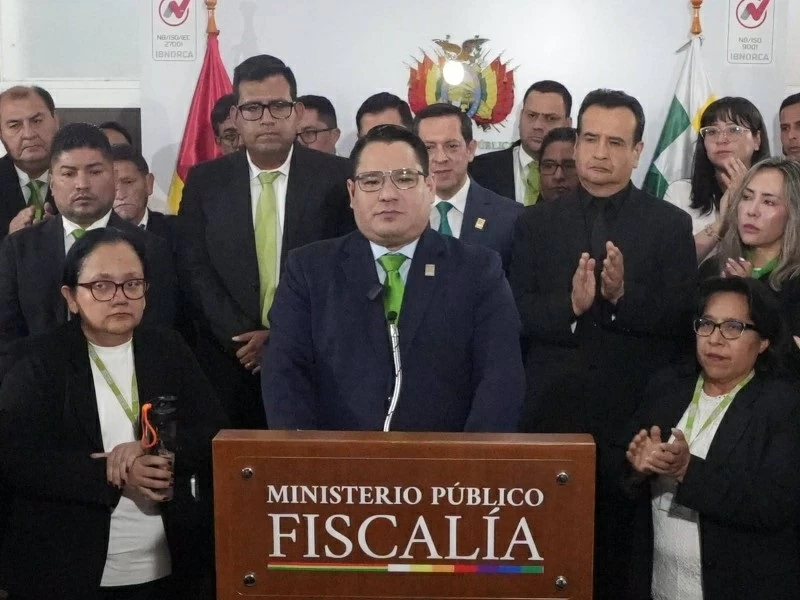
الحملة الأمنية التي جاءت عقب أيام قليلة من فرض واشنطن قيوداً على تأشيرات مسؤولين بوليفيين، أسفرت عن توقيف 14 شخصية رفيعة المستوى، على رأسهم المدعي العام للبلاد روجر مارياكا، ومدعي عام سانتا كروز، ومحامي الرئيس السابق إيفو موراليس، ورئيس وحدة مكافحة المخدرات السابق، لتعيد هذه الفضيحة المدوية تسليط الضوء على خطورة شبكات الجريمة العابرة للحدود وتغلغلها في مفاصل السلطة البوليفية.
The ordinary backdrop of the extradition of Uruguayan drug dealer Sebastián Marset to the United States was not to pass quietly, as Marset appeared handcuffed inside the "Viru Viru" International Airport in Santa Cruz, making direct and documented accusations confirming that his criminal gang received high-level security and judicial protection from the state.
The leaked video showed Marset publicly confirming his direct coordination with the country's Attorney General due to his complete control over the prosecution's key positions, which accelerated urgent government action.
Within a few hours of the recordings being released, and at the direction of the Bolivian government, which described the uncovered network as "a criminal organization deeply rooted in the judiciary," simultaneous raids were launched targeting prosecutor offices in the capital cities of La Paz, Sucre, and Santa Cruz.
The security campaign, which came just days after Washington imposed visa restrictions on Bolivian officials, resulted in the arrest of 14 high-profile individuals, including the country's Attorney General Roger Mariaca, the prosecutor of Santa Cruz, the lawyer of former President Evo Morales, and the former head of the anti-drug unit, bringing this explosive scandal back into the spotlight regarding the dangers of transnational crime networks and their infiltration into the corridors of Bolivian power.