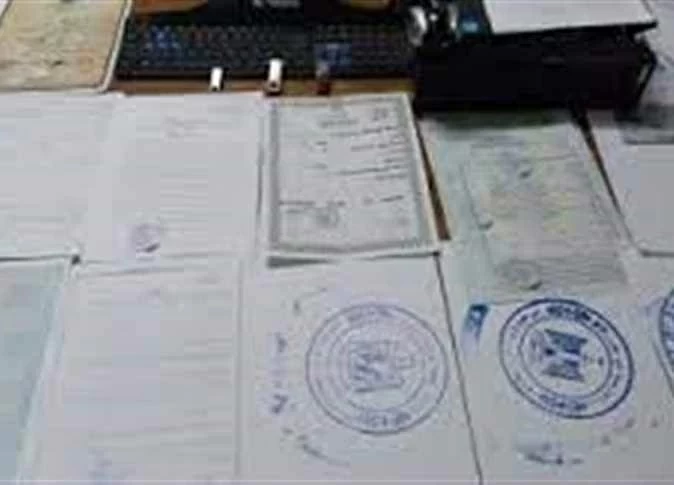
لم يكن التعديل القانوني الذي طرأ على إحدى شركات التنمية والاستثمار العقاري المصرية سوى غطاء لعملية احتيال محكمة، إذ تورط مدير مالي لمجموعة شركات في شبكة تزوير بالاشتراك مع محامين، بهدف الاستيلاء على حصص الشركة وتغيير كيانها القانوني، لينتهي به المطاف خلف القضبان في قضية هزت الأوساط التجارية.
كشفت التحقيقات القضائية عن تفاصيل مثيرة لجريمة تزوير محررات رسمية، تورط فيها المدير المالي «المتهم» بمعاونة محاميين (سبق محاكمتهما).
واعتمد المتهمون على اصطناع عقد وملخص تعديل مزور لإحدى شركات الاستثمار العقاري في مصر، مستغلين وكالة رسمية وموظفين حكوميين حسني النية في محكمة جنوب القاهرة والسجل التجاري والهيئة العامة للاستثمار.
وتمثلت الجريمة في تزوير توقيع الشاكية وإثبات بيانات غير صحيحة تفيد بدخول المدير المالي شريكاً متضامناً، ليتم تحويل الشكل القانوني للشركة من «توصية بسيطة» إلى «شركة مساهمة مصرية» رغماً عن إرادة أصحاب الحق الأصليين.
أكدت تحريات الإدارة العامة لمباحث الأموال العامة في مصر علم المتهمين التام بعملية التزوير واستخدام المحررات المزورة لفرض الأمر الواقع على الشركة. وفي مواجهة اتهامات النيابة العامة، أقر المدير المالي في التحقيقات أن الشاكية لم توقع بنفسها على عقد التعديل وأن وكيلها هو من وقع عنها، زاعماً أن دوره اقتصر على صياغة الإقرار وإنهاء إجراءات التوثيق وختم الأوراق بشعار الجمهورية، وهو ما أكده موظف المحكمة الذي شهد بتقديم الأوراق وختمها رسمياً.
وأمام ثبوت الأدلة، أحالت النيابة العامة المصرية المتهمين للمحاكمة الجنائية، ليصدر حكم أول درجة بمعاقبة المدير المالي بالسجن لمدة 15 عاماً. ومع طعن المتهم على الحكم أمام محكمة جنايات مستأنف القاهرة، قررت المحكمة تأجيل نظر الاستئناف لجلسة 20 أكتوبر القادم، في انتظار الفصل الأخير في هذه القضية الاقتصادية المعقدة.
The legal amendment that occurred in one of the Egyptian real estate development and investment companies was nothing more than a cover for a well-planned fraud operation, as the financial manager of a group of companies became involved in a forgery network in collaboration with lawyers, aiming to seize the company's shares and change its legal entity, ultimately ending up behind bars in a case that shook the business community.
The judicial investigations revealed exciting details of the crime of forging official documents, in which the financial manager, the "defendant," was involved with the assistance of two lawyers (who had previously been prosecuted).
The defendants relied on fabricating a contract and a forged amendment summary for one of the real estate investment companies in Egypt, exploiting an official power of attorney and well-meaning government employees in the South Cairo Court, the commercial registry, and the General Authority for Investment.
The crime consisted of forging the signature of the complainant and recording incorrect data indicating that the financial manager had entered as a joint partner, thus changing the legal form of the company from a "simple partnership" to an "Egyptian joint-stock company" against the will of the original rights holders.
The investigations by the General Administration of Money Laundering Investigations in Egypt confirmed the defendants' full knowledge of the forgery operation and the use of the forged documents to impose the facts on the company. In response to the Public Prosecution's accusations, the financial manager admitted during the investigations that the complainant did not personally sign the amendment contract and that her agent signed on her behalf, claiming that his role was limited to drafting the declaration and completing the documentation procedures and sealing the papers with the republic's emblem, which was confirmed by the court employee who testified to the submission of the documents and their official sealing.
With the evidence established, the Egyptian Public Prosecution referred the defendants for criminal trial, resulting in a first-instance ruling sentencing the financial manager to 15 years in prison. Following the defendant's appeal against the ruling before the Cairo Appeals Criminal Court, the court decided to postpone the hearing of the appeal to the session on October 20, awaiting the final resolution in this complex economic case.