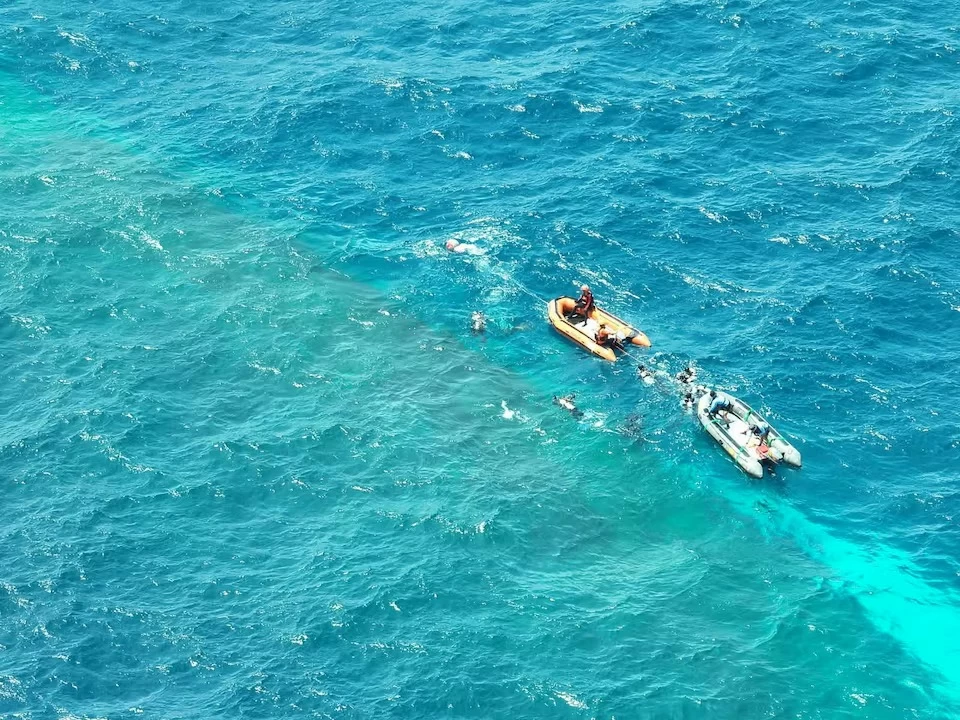
ارتفعت حصيلة ضحايا حادثة غرق العبّارة الإندونيسية «فيرغو ترانسبورت 8» إلى 66 قتيلًا، فيما لا يزال 69 شخصًا في عداد المفقودين، مع دخول عمليات البحث والإنقاذ يومها السادس عشر، وسط ظروف بالغة الخطورة يواجهها الغواصون المشاركون في عمليات انتشال الضحايا.
وكانت العبّارة، التي تزن نحو 4277 طنًا، تقل 243 شخصًا، بينهم 30 من أفراد الطاقم، إلى جانب عدد غير معلوم من المركبات، عندما انقلبت في وقت مبكر من يوم 13 سبتمبر بسبب سوء الأحوال الجوية، أثناء إبحارها من مدينة سورابايا في جاوة الشرقية باتجاه بانجارماسين في كاليمانتان الجنوبية.
وتواصل فرق الإنقاذ عمليات البحث داخل العبّارة الغارقة في بحر جاوة، حيث يواجه الغواصون حطامًا غير مستقر وممرات ضيقة وأجزاء حادة وخطرة من هيكل السفينة، إضافة إلى ميلان العبّارة من جانب إلى آخر، ما يزيد صعوبة الوصول إلى الأشخاص الذين يُعتقد أنهم ما زالوا داخل المقصورات.
وقال هارديانسياه بوترا، وهو مسؤول بارز في وكالة البحث والإنقاذ الإندونيسية، إن الغواصين كانوا، في اليوم السادس عشر من عمليات البحث، يتحركون بحذر بين الحطام غير المستقر، مع التركيز على الوصول إلى المقصورات التي قد يوجد فيها المفقودون.
وأضاف أن الغواصين كانوا مقيدين بالعمل على عمق أقصاه 27 مترًا، في ظل المخاطر التي تفرضها حالة السفينة والبيئة المحيطة بها.
تسرب الوقود وغازات كثيفة يعرقلان عمليات الإنقاذ
وتواجه فرق الغوص مخاطر إضافية بسبب تسرب الوقود وارتفاع تركيزات الغازات داخل السفينة، الأمر الذي يشكل تهديدًا مباشرًا لسلامة الغواصين.
وقال المسؤول في وكالة البحث والإنقاذ، إ بوتو سودايانا، إن عشرات الغواصين حاولوا التحرك داخل السفينة للوصول إلى المفقودين، لكن حالة الهيكل جعلت المهمة شديدة الخطورة.
وأوضح أن الغواصين اضطروا إلى التعامل مع أجزاء غير مستقرة من السفينة، فضلًا عن الأجسام الحادة المنتشرة داخلها، مشيرًا إلى أن كثافة الغازات وتسرب الوقود زادا من المخاطر الصحية، ما دفع السلطات إلى التأكيد على ضرورة إعادة السفينة إلى وضعها الصحيح ورفعها إلى سطح الماء لتسهيل عمليات البحث والوصول إلى المناطق التي يتعذر دخولها حاليًا.
وكان من المتوقع أن تبدأ السلطات، من منطقة غرق السفينة في بحر جاوة، عمليات نقل بعض الجثامين التي جرى انتشالها بواسطة مروحيات.
مخاطر متزايدة وتأخر عمليات البحث
وأدت الصعوبات الفنية والظروف الخطرة إلى إبطاء عمليات البحث، في وقت تتزايد فيه معاناة أسر المفقودين وذويهم الذين ينتظرون أخبارًا عن مصير أقاربهم.
وتظهر أحدث بيانات وكالة البحث والإنقاذ أن الحصيلة الحالية للحادثة بلغت 66 وفاة و108 ناجين، بينما لا يزال 69 شخصًا مفقودين.
The death toll from the sinking of the Indonesian ferry "Virgo Transport 8" has risen to 66, while 69 people remain missing, as search and rescue operations enter their sixteenth day, amid extremely dangerous conditions faced by the divers involved in retrieving the victims.
The ferry, which weighs about 4,277 tons, was carrying 243 people, including 30 crew members, along with an unknown number of vehicles, when it capsized early on September 13 due to bad weather while sailing from Surabaya in East Java to Banjarmasin in South Kalimantan.
Rescue teams continue their search operations inside the sunken ferry in the Java Sea, where divers are confronted with unstable wreckage, narrow passages, and sharp, hazardous parts of the ship's structure, in addition to the ferry's tilting from side to side, which complicates access to individuals believed to still be inside the cabins.
Hardiansyah Putra, a senior official at the Indonesian Search and Rescue Agency, stated that on the sixteenth day of the search operations, divers were moving cautiously among the unstable wreckage, focusing on reaching the cabins where the missing individuals may be located.
He added that divers were limited to working at a maximum depth of 27 meters, given the dangers posed by the condition of the ship and the surrounding environment.
Fuel leaks and dense gases hinder rescue operations
Diving teams face additional risks due to fuel leaks and high concentrations of gases inside the ship, which pose a direct threat to the safety of the divers.
According to the official from the Search and Rescue Agency, E. Buto Sudayana, dozens of divers attempted to move inside the ship to reach the missing, but the condition of the structure made the task extremely dangerous.
He explained that divers had to deal with unstable parts of the ship, as well as sharp objects scattered inside, noting that the density of gases and fuel leaks increased health risks, prompting authorities to emphasize the need to right the ship and raise it to the water's surface to facilitate search operations and access areas currently unreachable.
Authorities were expected to begin transporting some of the bodies recovered by helicopters from the area where the ship sank in the Java Sea.
Increasing risks and delays in search operations
Technical difficulties and hazardous conditions have slowed down search operations, as the suffering of the families of the missing and their relatives waiting for news about their loved ones continues to grow.
The latest data from the Search and Rescue Agency indicates that the current toll from the incident stands at 66 dead and 108 survivors, while 69 people remain missing.