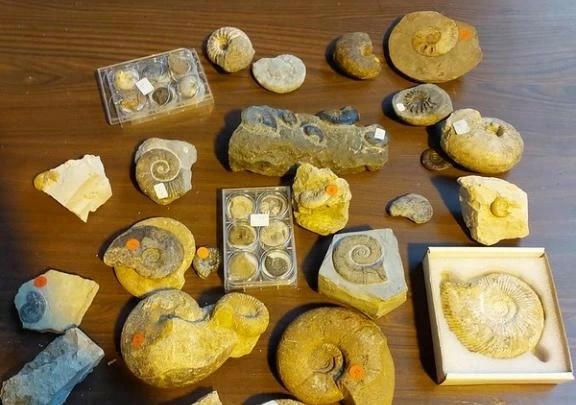
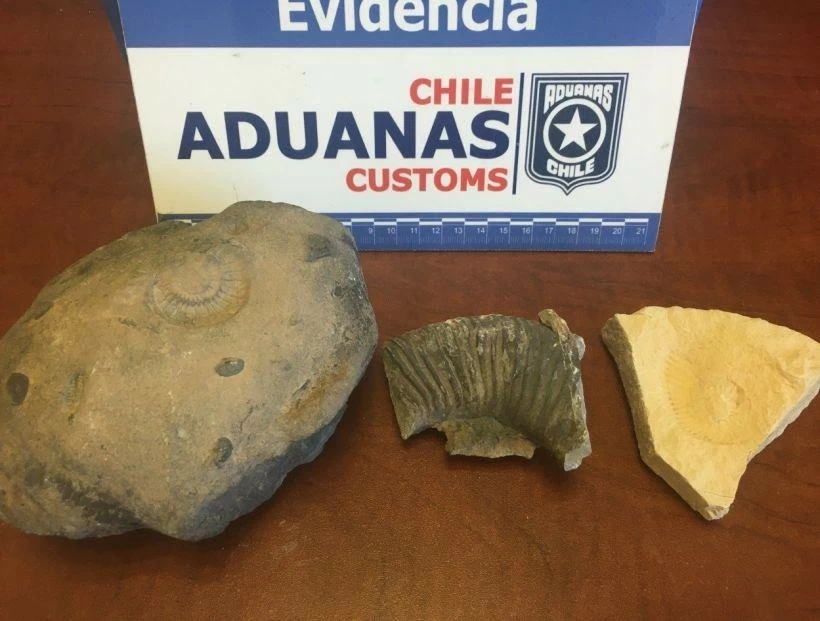
ضبطت سلطات الجمارك في تشيلي 222 أحفورة بحرية نادرة من «الأمونيت»، يعود عمرها إلى نحو 110 ملايين سنة، بعد العثور عليها مخبأة داخل شحنة أُعلن أنها تحتوي على سلاسل وقلادات وزينة زجاجية للاستخدام المنزلي.
ووصلت الشحنة إلى ميناء سان أنطونيو في منطقة فالبارايسو داخل حاوية أُرسلت من الصين، قبل أن تثير شكوك موظفي الجمارك خلال عمليات تحليل المعلومات وتقييم مخاطر الشحنات وحركة التجارة الخارجية.
3 صناديق تكشف المفاجأة
وعند تفتيش الحاوية، اكتشف المفتشون 3 صناديق كرتونية تحتوي على عشرات القطع الأحفورية، وكانت كل قطعة ملفوفة بأوراق صحف ومجلات قادمة من مدغشقر.
وبدأ المفتشون بفحص القطع واحدة تلو الأخرى، قبل الاستعانة بمتخصصين من متحف التاريخ الطبيعي والتاريخي في سان أنطونيو (MUSA)، الذين أكدوا بعد معاينتها أن الأحافير أصلية وليست مقلدة.
من «عصر الديناصورات»
وتعود الأحافير إلى «الأمونيت»، وهي مجموعة من الرخويات البحرية المنقرضة وترتبط بالأخطبوطات والحبار، وعاشت في البحار القديمة قبل أن تنقرض خلال حدث الانقراض الجماعي في نهاية العصر الطباشيري قبل نحو 66 مليون سنة. أما القطع المضبوطة في تشيلي، فيقدر عمرها بنحو 110 ملايين سنة، وتعود إلى العصر الطباشيري المبكر.
وأفاد مختصون في التراث الثقافي بأن خصائص القطع تشير إلى أنها قادمة من مدغشقر، إذ تتميز ببريق عروقها ووجود أشكال تشبه أوراق النباتات على أسطحها.
انتظار قرار مدغشقر
ورغم المؤشرات التي تدعم منشأها، تنتظر السلطات التشيلية تأكيداً رسمياً من حكومة مدغشقر بشأن أصل الأحافير، وما إذا كانت ستتقدم بطلب رسمي لاستعادة القطع الـ222 وإعادتها إلى البلاد.
وتخضع القطع الأثرية والأحفورية في تشيلي للحماية بموجب قانون الآثار الوطنية، إلى جانب اتفاقية اليونسكو لعام 1970 الخاصة بمنع ومكافحة الاستيراد والتصدير والنقل غير المشروع للممتلكات الثقافية.
وسبق أن أعادت تشيلي في مايو 2024 إلى المغرب 117 قطعة أحفورية كانت سلطات الجمارك قد ضبطتها في ميناء سان أنطونيو ومطار سانتياغو الدولي، في إطار التعاون لمكافحة الاتجار غير المشروع بالممتلكات التراثية.
Chilean customs authorities seized 222 rare marine fossils of "ammonites," estimated to be around 110 million years old, after finding them hidden inside a shipment that was declared to contain chains, necklaces, and glass ornaments for household use.
The shipment arrived at San Antonio Port in the Valparaíso region inside a container sent from China, before raising suspicions among customs officials during the information analysis and risk assessment of shipments and foreign trade movements.
3 Boxes Reveal the Surprise
Upon inspecting the container, inspectors discovered 3 cardboard boxes containing dozens of fossil pieces, each wrapped in newspapers and magazines from Madagascar.
The inspectors began examining the pieces one by one, before consulting specialists from the Natural and Historical History Museum in San Antonio (MUSA), who confirmed after inspection that the fossils were authentic and not replicas.
From the "Age of Dinosaurs"
The fossils belong to "ammonites," a group of extinct marine mollusks related to octopuses and squids, which lived in ancient seas before going extinct during the mass extinction event at the end of the Cretaceous period about 66 million years ago. The pieces seized in Chile are estimated to be around 110 million years old, dating back to the early Cretaceous period.
Cultural heritage specialists reported that the characteristics of the pieces indicate they are from Madagascar, as they are distinguished by the luster of their veins and the presence of shapes resembling plant leaves on their surfaces.
Awaiting Madagascar's Decision
Despite the indicators supporting their origin, Chilean authorities are awaiting official confirmation from the Madagascar government regarding the origin of the fossils and whether they will file an official request to recover the 222 pieces and return them to the country.
In Chile, archaeological and fossil pieces are protected under the National Archaeological Law, along with the 1970 UNESCO Convention aimed at preventing and combating the illegal import, export, and transfer of cultural property.
Chile previously returned 117 fossil pieces to Morocco in May 2024, which customs authorities had seized at San Antonio Port and Santiago International Airport, as part of cooperation efforts to combat the illegal trade of heritage property.