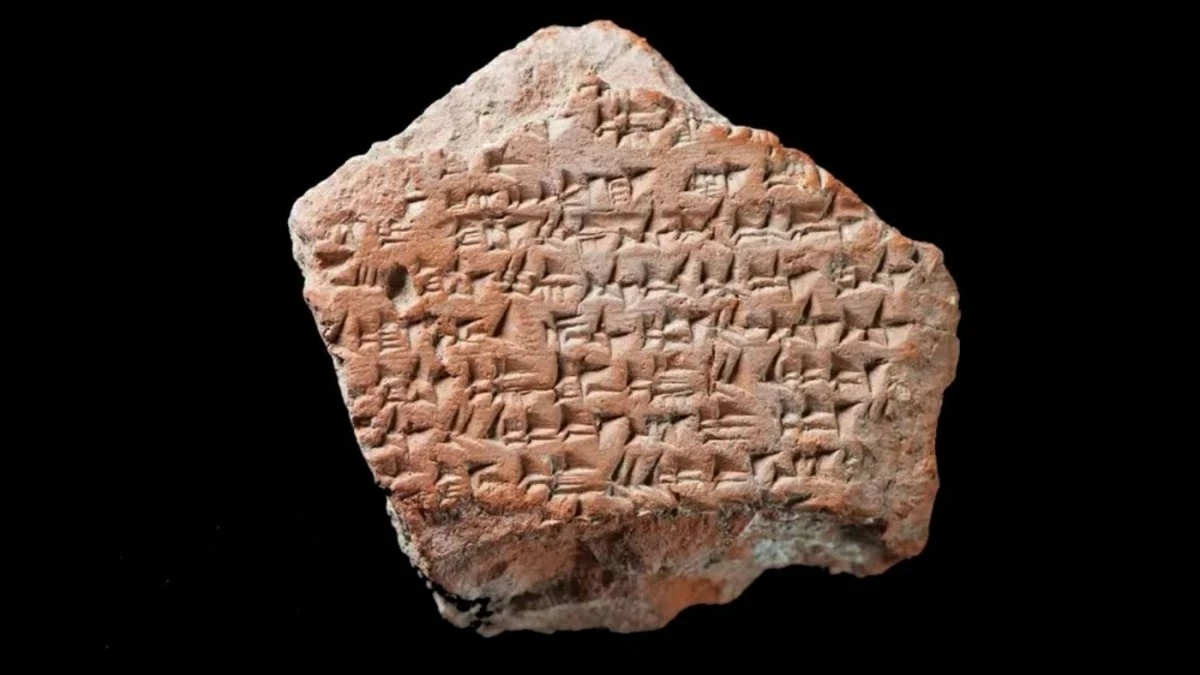
في كشف أثري يحل لغزاً دبلوماسياً امتد لأكثر من ثلاثة آلاف عام، أزاح علماء الآثار في تركيا الستار عن الجزء المفقود من «معاهدة قادش»، التي تعتبر أقدم معاهدة سلام مكتوبة في التاريخ البشري.
القطعة الطينية النادرة، التي عُثر عليها وسط تراب العاصمة الحيثية القديمة «حاتوشا»، يعود تاريخها إلى نحو 3400 عام، وتكشف لأول مرة عن الخفايا الدقيقة للاتفاق التاريخي المبرم بين الفرعون المصري رمسيس الثاني والملك الحيثي حاتوسيلي الثالث لإيقاف الحروب الدامية بين الإمبراطوريتين.
وتكمن المفاجأة التي أذهلت الأثريين في البنود الإنسانية غير المتوقعة التي تضمنها هذا الجزء، إذ كشفت النصوص المكتوبة بالخط المسماري عن نظام صارم لحماية اللاجئين والفارين، يُحظر بموجبه تعذيبهم أو ممارسة العقوبات القاسية بحقهم، مثل اقتلاع الألسنة والأعين، أو قطع الآذان والأقدام، أو تدمير منازلهم وتشريد أسرهم.
هذا الاكتشاف لا يكتفي بإكمال أجزاء اللوحة التاريخية التي تُعرض نسخة رمزية منها في مقر الأمم المتحدة بنيويورك فحسب، بل يثبت أن العالم القديم التزم بقواعد حماية كرامة الإنسان وصون حقوق الفارين من أهوال الحروب قبل أن تتشكل قوانين المجتمع الدولي بقرون طويلة.
In an archaeological discovery that solves a diplomatic mystery spanning over three thousand years, archaeologists in Turkey have unveiled the missing part of the "Treaty of Kadesh," which is considered the oldest written peace treaty in human history.
The rare clay tablet, found amidst the soil of the ancient Hittite capital "Hattusa," dates back approximately 3,400 years and reveals for the first time the intricate details of the historic agreement made between the Egyptian Pharaoh Ramses II and the Hittite King Hattusili III to end the bloody wars between the two empires.
The surprise that astonished archaeologists lies in the unexpected humanitarian clauses included in this section, as the texts written in cuneiform script unveil a strict system for protecting refugees and fugitives, prohibiting their torture or the imposition of harsh penalties upon them, such as the removal of tongues and eyes, or the cutting off of ears and feet, or the destruction of their homes and the displacement of their families.
This discovery not only completes parts of the historical tablet, a symbolic copy of which is displayed at the United Nations headquarters in New York, but also proves that the ancient world adhered to rules for protecting human dignity and safeguarding the rights of those fleeing the horrors of war long before international laws were established centuries later.