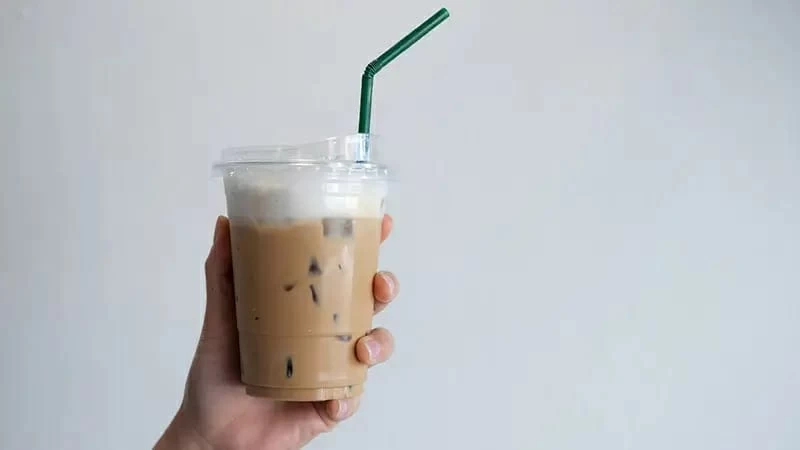
بدأ سؤال شغل مواقع التواصل الاجتماعي هذا الأسبوع من مقطع فيديو قصير على «تيك توك»، لكنه سرعان ما تحول إلى نقاش واسع حول قواعد السلوك في مقابلات العمل، بعدما حذرت موظفة توظيف أمريكية من اصطحاب القهوة المثلجة إلى المقابلة، معتبرة أن ذلك قد يعطي انطباعاً بأن المتقدم لم يأخذ الموعد بجدية كافية.
وقالت كايتلين وينيين، وهي موظفة توظيف أمريكية، في مقطع نشرته عبر «تيك توك»: «لا تدخل مقابلة العمل بشكل عفوي وأنت تحمل قهوة مثلجة؛ فهذا يعطي انطباعاً بأنك لم تجد وقتاً لإنهاء قهوتك قبل الحضور».
وأوضحت أن بعض المرشحين من جيل Z يفعلون ذلك، محذرة من أن المشهد قد يجعل المقابلة تبدو وكأنها «مجرد محطة ضمن قائمة مهامهم اليومية».
ومن هنا بدأت، بحسب وصفها، «معركة القهوة المثلجة الكبرى لعام 2026».
هل القهوة المثلجة خطأ مهني؟
وبحسب شبكة BBC، انقسمت الآراء على مواقع التواصل الاجتماعي بين من يرى أن دخول مقابلة العمل بكوب من الماتشا المثلجة أو القهوة المثلجة تصرف غير مهني، باعتباره شديد العفوية وقد يشتت الانتباه، وبين من اعتبر أن الجدل مبالغ فيه، خصوصاً في ظل الصعوبات التي يواجهها الباحثون عن العمل للحصول على وظيفة أو حتى الوصول إلى مرحلة المقابلة الشخصية.
وفي منشور لاحق عبر «لينكدإن»، أوضحت وينيين أنها لم تكن تقصد أن اصطحاب القهوة يجعل الشخص «مرشحاً سيئاً»، مؤكدة أن هدفها كان ببساطة التنبيه إلى أهمية تجنب مصادر التشتيت خلال المقابلة.
الانطباع الأول مهم
هاناد، البالغ من العمر 28 عاماً ويعمل لدى شركة لتوريد الطاقة في لندن، قال إنه يحب القهوة المثلجة، لكنه لا يفضل اصطحابها إلى مقابلة عمل.
وأوضح: «مقابلة العمل تتعلق بالانطباع الأول، وأي شيء قد يدفع صاحب العمل إلى التردد في توظيفك».
ويرى أن القهوة المثلجة من المشروبات التي يكثر تناولها بين المراهقين، وبالتالي قد تعطي، من وجهة نظره، انطباعاً بعدم النضج أو الرسمية.
وأضاف أنه لن يصطحب مشروباً للطاقة إلى مقابلة عمل للسبب نفسه، لكنه يرى أن زجاجة مياه أو كوباً من القهوة الساخنة سيكون أمراً مقبولاً.
يجب الابتعاد عن الصور النمطية
في المقابل، ترى زميلته تسفيتينا، البالغة 24 عاماً، أن المتقدم للوظيفة لا ينبغي أن يخضع للحكم بناءً على المشروب الذي يحمله أو حتى ملابسه.
وقالت إن المجتمع «يجب أن يبتعد عن هذه الصور النمطية التقليدية في بيئة الشركات»، معتبرة أن الأهم هو ما يقوله الشخص وكيف يقدم نفسه ومهاراته خلال المقابلة.
اتهام للجدل بالتحيز ضد النساء
أما كاتي، البالغة 25 عاماً وتعمل مساعدة شخصية في قطاع تنظيم الفعاليات، فقالت إنها شخصياً لن تحضر مقابلة عمل وهي تحمل قهوة مثلجة، لكنها وصفت الجدل الذي أثاره منشور موظفة التوظيف بأنه «ينطوي إلى حد ما على تحيز جنسي».
وأوضحت أن السبب في رأيها هو أن الفتيات هن الأكثر ارتباطاً بهذا النوع من المشروبات، مضيفة أنه لو كان الحديث عن القهوة الساخنة، التي وصفتها بأنها أكثر ارتباطاً بالرجال، لما أثار الأمر الجدل نفسه.
جيل Z يواجه سوق عمل صعباً
ويتزامن هذا الجدل مع تحديات حقيقية تواجه الشباب الباحثين عن أول فرصة عمل، خصوصاً في ظل تراجع الوظائف المتاحة للمبتدئين.
وفي بريطانيا، تراجع عدد الوظائف الشاغرة للخريجين بنحو النصف خلال عام واحد، مع اتجاه شركات إلى تقليص بعض الوظائف المخصصة للمبتدئين لصالح الاعتماد على الذكاء الاصطناعي، بالتزامن مع ارتفاع التكاليف.
كما أن نحو شخص واحد من كل ثمانية أشخاص تتراوح أعمارهم بين 16 و24 عاماً في بريطانيا ليس في التعليم أو العمل أو التدريب، وهي الفئة التي تعرف اختصاراً باسم «نيتس» (NEETs).
ولا يختلف الوضع كثيراً في الولايات المتحدة، حيث يواجه الشباب أيضاً سوق عمل أكثر صعوبة مع تباطؤ وتيرة التوظيف.
قد تبدو غير مبالٍ
لوسي كوبر، مؤسسة شركة «سبارك» المتخصصة في التوظيف بقطاع التصميم والعلامات التجارية في لندن، ترى أن قطاع التسويق يمر بمرحلة صعبة للغاية حالياً.
وقالت إنها لا تعرف أياً من المرشحين من جيل Z ممن قد يخاطرون بالذهاب إلى مقابلة عمل وهم يحملون قهوة مثلجة.
وأوضحت أن ذلك قد يجعل المرشح يبدو «مرتاحاً أكثر من اللازم وقليل الاكتراث»، أو يعطي انطباعاً بأنه لا يتعامل مع المقابلة بالجدية الكافية، أو حتى يوحي بأنه هو من يجري مقابلة مع صاحب العمل وليس العكس.
وأضافت أن المتقدمين في المستويات الوظيفية المبتدئة يدركون جيداً أن أي تصرف قد يؤثر في فرصهم، ولذلك يتجنبون عادة كل ما يمكن أن يضر بانطباع صاحب العمل عنهم.
في المقابل، أكدت أن قبول كوب قهوة يقدمه صاحب العمل خلال المقابلة أمر مختلف، كما أن تناول القهوة خلال مقابلة العمل عبر الفيديو لا يمثل مشكلة.
وشددت على ضرورة عدم المبالغة في تفسير شيء واحد يحمله المرشح معه إلى المقابلة، سواء كان قهوة مثلجة أو زجاجة مياه أو دفتر ملاحظات، لأن أصحاب العمل يقيمون في النهاية مهارات المرشح وخبراته وسلوكياته ومدى ملاءمتها للوظيفة.
المشكلة الحقيقية ليست القهوة
كريس ماسون، الشريك المؤسس لوكالة «إنتليجنت بيبول» المتخصصة في التوظيف بقطاع التكنولوجيا، يرى أن التركيز على القهوة المثلجة وحدها «يبدو بالفعل مبالغة» من جانب موظفة التوظيف الأمريكية.
ومع ذلك، ينصح الباحثين عن عمل ببذل كل ما يستطيعون لإظهار الصورة والسلوك المناسبين خلال مقابلة العمل.
وحذر من أن اصطحاب وجبات خفيفة أو مشروبات خاصة قد يؤثر في الانطباع الذي يسعى المتقدم إلى تركه، والمتمثل في أنه شخص «جاد ومركز» خلال المقابلة.
وأشار إلى أن المشكلات الأكثر شيوعاً التي يرصدها لدى بعض المرشحين الأصغر سناً لا تتعلق بالمشروبات، وإنما بعدم الاستعداد الجيد للمقابلة، أو عدم الالتزام بالموعد، أو عدم إجراء بحث مسبق عن الوظيفة والشركة والشخص الذي سيجري المقابلة.
وهكذا تحولت القهوة المثلجة من مجرد مشروب يومي إلى محور نقاش حول قواعد مقابلات العمل، فيما يرى متخصصون في التوظيف أن السلوك العام والاستعداد والالتزام والقدرة على تقديم الخبرات والمهارات تظل عوامل أكثر ارتباطاً بتقييم المرشح من الكوب الذي يحمله في يده.
The question that dominated social media this week started from a short video on "TikTok," but it quickly turned into a broad discussion about behavior rules in job interviews after an American recruiter warned against bringing iced coffee to the interview, considering that it might give the impression that the candidate did not take the appointment seriously enough.
Caitlin Winien, an American recruiter, said in a clip she posted on "TikTok": "Don't walk into a job interview casually holding iced coffee; it gives the impression that you didn't find the time to finish your coffee before showing up."
She explained that some candidates from Generation Z do this, warning that the scene might make the interview seem like "just a stop on their daily to-do list."
From here, she described, began the "Great Iced Coffee Battle of 2026."
Is iced coffee a professional mistake?
According to the BBC, opinions on social media were divided between those who see entering a job interview with a cup of iced matcha or iced coffee as unprofessional behavior, considering it too casual and potentially distracting, and those who believe the debate is exaggerated, especially given the difficulties job seekers face in landing a job or even reaching the interview stage.
In a later post on "LinkedIn," Winien clarified that she did not mean to imply that bringing coffee makes someone a "bad candidate," emphasizing that her goal was simply to highlight the importance of avoiding distractions during the interview.
First impressions matter
Hannad, a 28-year-old who works for an energy supply company in London, said he loves iced coffee but does not prefer to bring it to a job interview.
He explained: "A job interview is about first impressions, and anything that might make the employer hesitate to hire you."
He believes that iced coffee is a drink commonly consumed by teenagers, and thus might give, from his perspective, an impression of immaturity or informality.
He added that he wouldn’t bring an energy drink to a job interview for the same reason, but he thinks that a bottle of water or a cup of hot coffee would be acceptable.
Stereotypes should be avoided
On the other hand, his colleague Tsvetina, 24, believes that a job applicant should not be judged based on the drink they carry or even their clothing.
She said that society "should move away from these traditional stereotypes in the corporate environment," considering that what matters most is what the person says and how they present themselves and their skills during the interview.
Accusation of bias against women
Meanwhile, Katie, 25, who works as a personal assistant in the event planning sector, said that she personally would not attend a job interview while holding iced coffee, but she described the debate sparked by the recruiter's post as "somewhat gender-biased."
She explained that her reasoning is that girls are more associated with this type of drink, adding that if the discussion were about hot coffee, which she described as more associated with men, it would not have sparked the same controversy.
Generation Z faces a tough job market
This debate coincides with real challenges facing young people seeking their first job opportunity, especially amid a decline in available positions for beginners.
In the UK, the number of job vacancies for graduates has decreased by nearly half within a year, with companies moving to cut some entry-level positions in favor of relying on artificial intelligence, alongside rising costs.
Additionally, about one in eight people aged 16 to 24 in the UK are not in education, employment, or training, a group known by the acronym "NEETs."
The situation is not much different in the United States, where young people also face a tougher job market with a slowdown in hiring.
It may seem indifferent
Lucy Cooper, founder of "Spark," a recruitment company specializing in design and branding in London, believes that the marketing sector is going through a very tough phase right now.
She said she doesn't know any Generation Z candidates who would risk going to a job interview while holding iced coffee.
She explained that this could make the candidate appear "too relaxed and indifferent," or give the impression that they are not taking the interview seriously enough, or even suggest that they are the ones interviewing the employer rather than the other way around.
She added that entry-level applicants are well aware that any behavior can affect their chances, so they usually avoid anything that could harm the employer's impression of them.
Conversely, she confirmed that accepting a cup of coffee offered by the employer during the interview is a different matter, and that drinking coffee during a video job interview does not pose a problem.
She emphasized the need not to overinterpret one item a candidate brings to the interview, whether it is iced coffee, a bottle of water, or a notebook, as employers ultimately evaluate the candidate's skills, experiences, behaviors, and how well they fit the job.
The real problem is not the coffee
Chris Mason, co-founder of "Intelligent People," a recruitment agency specializing in the technology sector, believes that focusing solely on iced coffee "does indeed seem exaggerated" on the part of the American recruiter.
However, he advises job seekers to do everything they can to present the right image and behavior during the job interview.
He warned that bringing snacks or specific drinks could affect the impression the candidate seeks to leave, which is that they are a "serious and focused" person during the interview.
He noted that the most common issues he observes among some younger candidates are not related to drinks, but rather to a lack of proper preparation for the interview, not showing up on time, or not doing prior research about the job, the company, and the person who will be conducting the interview.
Thus, iced coffee has transformed from just a daily drink into a focal point of discussion about job interview rules, while recruitment specialists believe that overall behavior, preparation, commitment, and the ability to present experiences and skills remain factors more closely related to evaluating the candidate than the cup they hold in their hand.