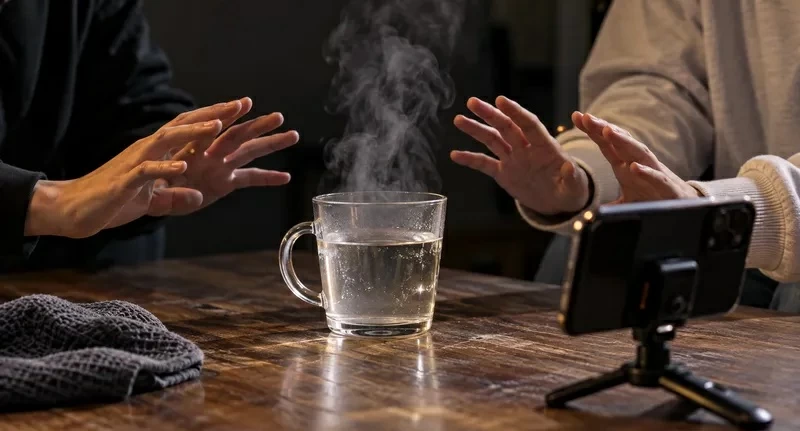
تجتاح منصات التواصل الاجتماعي صنوف غريبة من أساليب استجداء المشاهدات، بعدما عاد إلى الواجهة في مصر سلوك يعرض المشاركين لأذى جسدي جسيم تحت غطاء واهٍ يسمى «إثبات الصداقة».
تعتمد تفاصيل هذا الترند الرقمي على إمساك شخصين بيدي بعضهما بقوة، بينما يسكب طرف ثالث ماءً شديد السخونة أو شاياً مغلياً مباشرة على أيديهما أمام الكاميرا، مع اعتبار مواصلة التماسك مؤشراً على متانة العلاقة، بينما يُصنف التراجع أو الصراخ علامة ضعف.
ويحذر أطباء الأمراض الجلدية من التعاطي مع هذه التصرفات كألعاب مسلية، مؤكدين أن الأذى لا يتوقف عند الألم الوقتي، بل يتعداه إلى تشوهات أعمق في الأنسجة وحروق تتطلب رعاية طبية طويلة، مشددين على ضرورة تجنب الخلطات الشعبية وسرعة نقل المصاب إلى المستشفى.
في المقابل، كشف خبراء الأمن السيبراني عن المحرك الخفي لانتشار هذا السلوك، حيث تعمل خوارزميات المنصات على مكافأة المشاهدات العالية بدفع المحتوى نحو أعداد أكبر من المراهقين، مما يحول التصرفات الخاطئة إلى ظاهرة عادية تداعب رغبة الفئات الشابة في الانتشار وزيادة المشاهدات.
وتتطلب المواجهة وعياً أسرياً يراقب ما يتناقله الصغار، وامتناعاً تاماً عن إعادة نشر هذه المقاطع لتجنب منحها الانتشار الذي تتغذى عليه.
Strange forms of seeking views are sweeping social media platforms, as a behavior that exposes participants to severe physical harm has resurfaced in Egypt under the flimsy guise of "proving friendship."
The details of this digital trend involve two people gripping each other's hands tightly while a third party pours very hot water or boiling tea directly onto their hands in front of the camera, with the continuation of their grip being seen as a sign of a strong relationship, while pulling back or screaming is classified as a sign of weakness.
Dermatologists warn against treating these actions as entertaining games, emphasizing that the harm does not stop at temporary pain but extends to deeper tissue damage and burns that require long-term medical care, stressing the need to avoid folk remedies and to quickly transport the injured to the hospital.
In contrast, cybersecurity experts revealed the hidden driver behind the spread of this behavior, as platform algorithms reward high views by pushing content towards larger numbers of teenagers, turning these reckless actions into a normal phenomenon that caters to the young people's desire for visibility and increased views.
Addressing this issue requires family awareness to monitor what children are sharing, and a complete refusal to repost these clips to avoid giving them the exposure they thrive on.