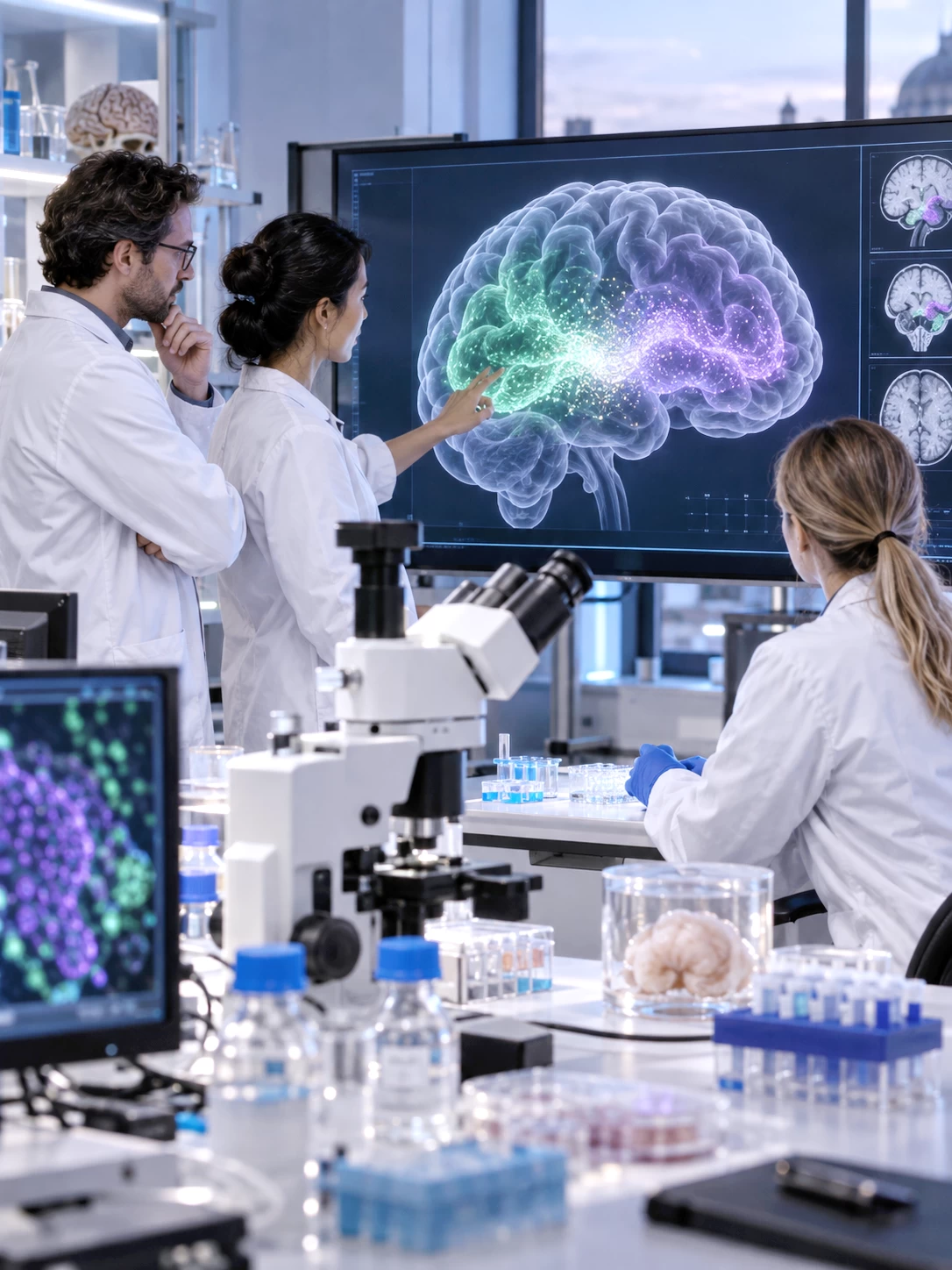
كشفت دراسة حديثة، من «ستانفورد ميديسن»، أن الدماغ البشري لا يبدأ تكوّنه كوحدة واحدة متجانسة، بل ينشأ مبكراً من نظامين خلويين مختلفين، قبل أن تتقارب مساراتهما وتندمج تدريجياً في البنية المعقدة للدماغ.
وتتبع الباحثون تطور الخلايا على مستوى جزيئي خلال المراحل المبكرة من التكوين، ورصدوا اختلافات واضحة بين الخلايا التي ستكوّن لاحقاً القشرة الدماغية، وتلك المرتبطة بمناطق أخرى تؤدي وظائف مختلفة.
وتمنح النتائج العلماء خريطة أكثر دقة لفهم الكيفية التي يتشكل بها الدماغ منذ بداياته، كما قد تساعد مستقبلاً في تفسير بعض الاضطرابات العصبية والتطورية، التي ترتبط بخلل في مراحل النمو الأولى.
وتكمن أهمية الدراسة، أنها تعيد بناء تصور أكثر تفصيلاً عن نشأة الدماغ، لكنها تبقى بحثاً أساسياً في علم الأحياء العصبي، ولا تمثل اختباراً تشخيصياً جديداً أو علاجاً جاهزاً.
وتفتح النتائج باباً لدراسات أعمق حول توقيت اندماج المسارات الخلوية، وتأثير أي اضطراب مبكر فيها على الوظائف العصبية لاحقاً.
A recent study from "Stanford Medicine" revealed that the human brain does not begin its formation as a single homogeneous unit, but rather emerges early from two different cellular systems, before their pathways converge and gradually merge into the complex structure of the brain.
The researchers tracked the development of cells at a molecular level during the early stages of formation and observed clear differences between the cells that will later form the cerebral cortex and those associated with other areas that perform different functions.
The results provide scientists with a more accurate map for understanding how the brain is formed from its beginnings, and may also help in the future to explain some neurological and developmental disorders that are linked to disruptions in the early stages of growth.
The significance of the study lies in its reconstruction of a more detailed conception of brain emergence, but it remains fundamental research in the field of neuroscience and does not represent a new diagnostic test or an available treatment.
The results open the door to deeper studies on the timing of cellular pathway integration and the impact of any early disruption on neurological functions later on.