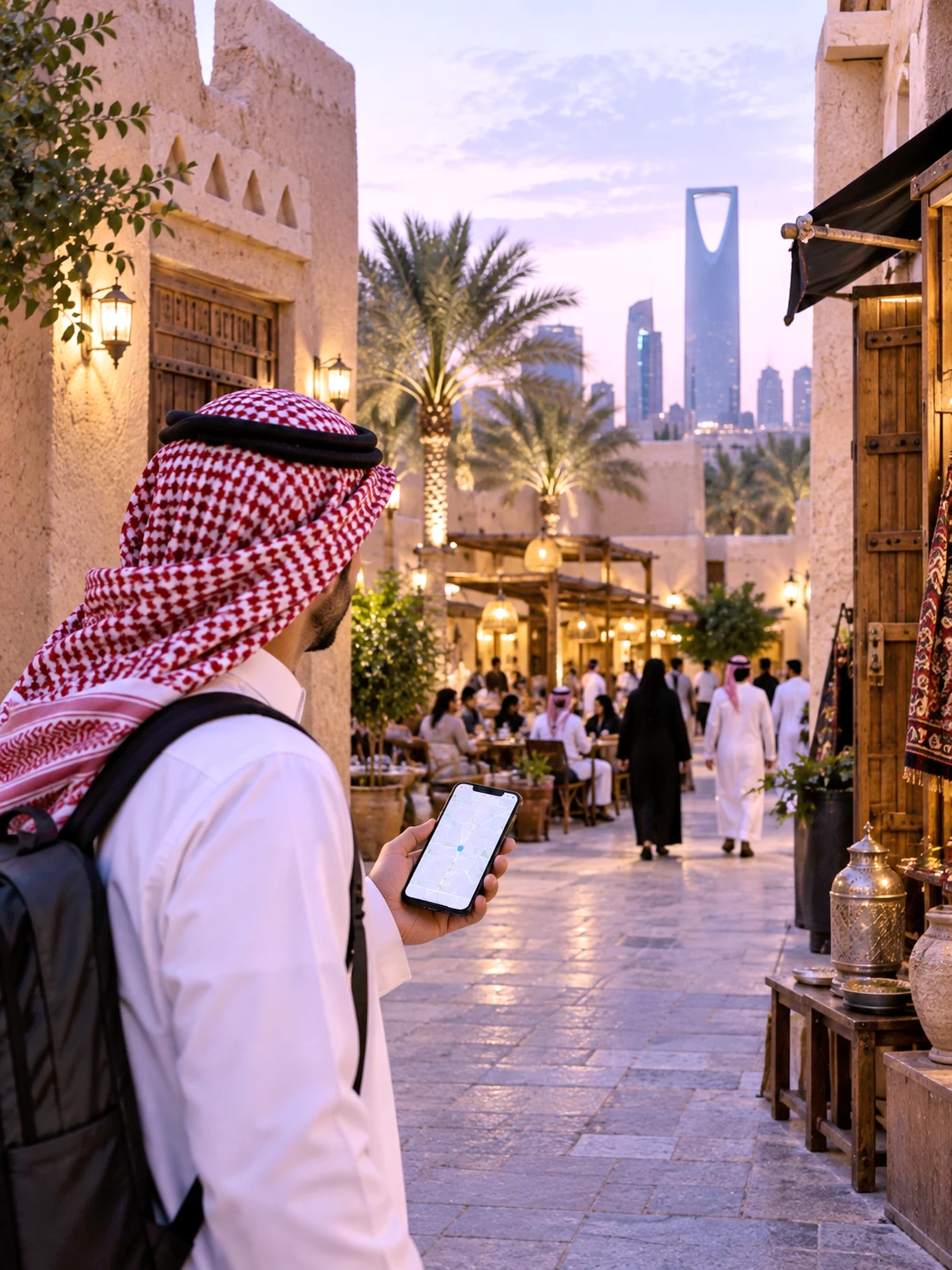
يصل المسافر اليوم إلى مدينة ربما لم يزرها من قبل، لكنه يعرف الطريق من المطار إلى الفندق، وشاهد غرفته، وقرأ آراء نزلائها، وحدد المطاعم القريبة، وحفظ مواقع المعالم، وربما تجول افتراضياً في الشارع قبل أن تطأه قدماه. الرحلة تبدأ على الشاشة قبل الإقلاع، وعندما يصل الجسد إلى المكان تكون العين قد سبقته إليه.
غيّرت الخرائط الرقمية والتقييمات ومنصات الحجز معنى السفر بصورة عميقة. الضياع الذي كان جزءاً من الحكاية، أصبح مشكلة يمكن تجنبها، والمطعم الذي كان يُكتشف بالمصادفة أصبح رقماً وتقييماً وصوراً وقائمة طعام يمكن فحصها قبل فتح بابه.
وتكشف دراسة رقمية لتطبيقات سياحية، شملت 27,713 مسافراً في 33 دولة ومنطقة، أن 66% يعتزمون استخدام التقنية لاتخاذ قرارات أكثر وعياً والعثور على تجارب أصيلة، فيما أبدى 41% اهتماماً باستخدام الذكاء الاصطناعي في إعداد رحلاتهم. والأكثر دلالة، أن 67% يأملون في الاستعانة بالتقنية للعثور على أماكن أقل ازدحاماً.
حتى «المكان السري» دخل المعادلة الرقمية؛ إذ قال 44%، إنهم سيتجنبون تحديد مواقع الوجهات الأقل شهرة على وسائل التواصل خشية تدفق الزوار إليها. مفارقة تختصر المشهد: نستخدم التقنية لاكتشاف المكان، ثم نحاول حمايته من التقنية ذاتها.
أما التقييمات، فقد تحولت من رأي مساعد إلى عنصر مؤثر في القرار. وأظهرت دراسة سابقة، أن 72% من المشاركين يقرأون التقييمات دائماً أو كثيراً قبل اختيار مكان للإقامة أو الطعام أو نشاط، وترتفع النسبة إلى 81% عند حجز الإقامة.
المكسب واضح؛ وقت أقل يضيع، ومفاجآت سيئة أقل، وقدرة أكبر على التخطيط. لكن الثمن أكثر هدوءاً؛ تقل مساحة المصادفة، ونقترب من الأماكن محملين بصور وآراء الآخرين.
هكذا أعادت الخرائط الطمأنينة إلى السفر، لكنها نزعت منه شيئاً من الغموض. أصبح الوصول أسهل بكثير، فيما أصبحت الدهشة تحتاج إلى قرار متعمد؛ أن نغلق الشاشة أحياناً، ونترك للمدينة فرصة أن تعرّفنا بنفسها.
The traveler arrives today in a city he may not have visited before, but he knows the way from the airport to the hotel, has seen his room, read reviews from its guests, identified nearby restaurants, saved the locations of landmarks, and perhaps even virtually wandered the street before setting foot on it. The journey begins on the screen before takeoff, and by the time the body reaches the place, the eye has already arrived.
Digital maps, reviews, and booking platforms have profoundly changed the meaning of travel. The getting lost that was once part of the story has become a problem that can be avoided, and the restaurant that was discovered by chance is now a number, a rating, photos, and a menu that can be examined before its door is opened.
A digital study of travel applications, which included 27,713 travelers in 33 countries and regions, reveals that 66% intend to use technology to make more informed decisions and find authentic experiences, while 41% expressed interest in using artificial intelligence to plan their trips. More significantly, 67% hope to use technology to find less crowded places.
Even the "secret place" has entered the digital equation; 44% said they would avoid pinpointing lesser-known destinations on social media for fear of an influx of visitors. A paradox that encapsulates the scene: we use technology to discover the place, then we try to protect it from the very technology.
As for reviews, they have shifted from being a helpful opinion to an influential element in decision-making. A previous study showed that 72% of participants always or often read reviews before choosing a place to stay, eat, or engage in activities, with the percentage rising to 81% when booking accommodations.
The gain is clear; less time is wasted, fewer unpleasant surprises occur, and there is greater ability to plan. But the cost is quieter; the space for chance diminishes, and we approach places burdened with the images and opinions of others.
Thus, maps have restored reassurance to travel, but they have stripped away some of its mystery. Reaching a destination has become much easier, while astonishment now requires a deliberate decision; to sometimes close the screen and allow the city the opportunity to introduce itself to us.