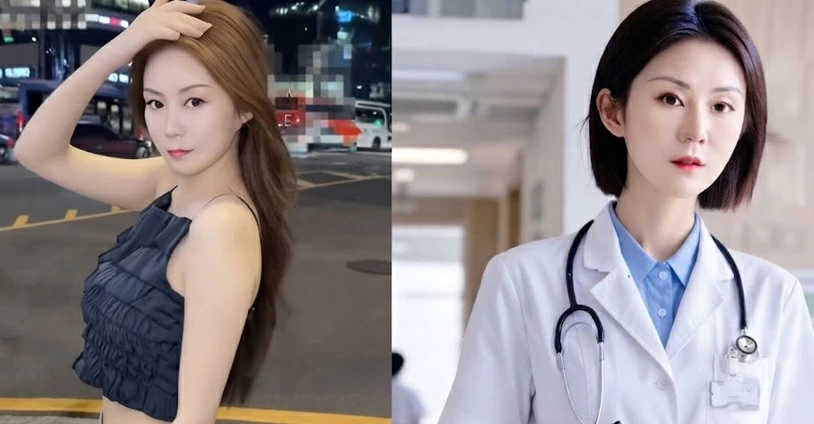
تحولت أدوات الذكاء الاصطناعي إلى وسيلة احتيال غير متوقعة في الصين، بعدما تمكنت عاملة نظافة تبلغ 65 عامًا من إقناع مقاول عقاري بأنها طبيبة شابة، قبل أن تستولي منه على نحو 170 ألف يوان، أي ما يعادل قرابة 25 ألف دولار.
وبحسب تفاصيل القضية، بدأت القصة عندما تعرّف الرجل، ويدعى ليو هوي، عبر منصات التواصل الاجتماعي إلى امرأة قدمت نفسها باسم يو شيوزين، وزعمت أنها طبيبة في التاسعة والعشرين من عمرها تعمل في مستشفى مرموق، وتتمتع بعلاقات واسعة في مجال المشاريع الهندسية.
ولتعزيز الشخصية الوهمية، اعتمدت المتهمة على تقنيات الذكاء الاصطناعي لتغيير ملامحها وإظهار نفسها في هيئة امرأة شابة، كما ظهرت في آلاف المقاطع المصورة التي نشرتها عبر حسابها على مدى خمس سنوات. ولم تكتفِ بذلك، بل ابتكرت شخصية أم وهمية كانت تؤديها هي أيضًا، واستخدمتها ذريعة لتجنب أي لقاء مباشر مع الضحية.
ومع مرور الوقت، تطورت العلاقة الافتراضية إلى مطالب مالية، إذ اشترطت المتهمة، بحسب التحقيقات، دفع مهر مرتفع وشراء منزل تمهيدًا للزواج. ورغم أن الطرفين كانا يعيشان في المدينة نفسها، استمرت التحويلات المالية لنحو خمسة أشهر من دون أن يلتقيا وجهًا لوجه أو تتحقق الوعود المتعلقة بالزواج والأعمال.
وأثار استمرار الغياب شكوك الرجل، فقرر إبلاغ الشرطة، لتكشف التحقيقات أن المرأة التي كان يعتقد أنها طبيبة شابة لم تكن سوى عاملة نظافة في الخامسة والستين من عمرها. كما تبين أنها سبق أن أدينت في قضية احتيال عام 2009.
وأظهرت التحقيقات أن الأموال التي حصلت عليها أنفقتها على عمليات تجميل ومنتجات وخدمات للعناية الشخصية، فيما لم ينتبه الضحية إلى الإشعارات التي تشير إلى استخدام تقنيات الذكاء الاصطناعي في بعض المقاطع، بسبب عدم معرفته الكافية بهذه التقنيات.
وأعادت القضية تسليط الضوء في الصين على المخاطر المتزايدة للاحتيال العاطفي المدعوم بتقنيات التزييف العميق، بعدما أصبح من الممكن تغيير الملامح والأصوات وصناعة شخصيات رقمية تبدو مقنعة بما يكفي لخداع الضحايا لفترات طويلة.
AI tools have turned into an unexpected means of fraud in China, after a 65-year-old cleaning worker managed to convince a real estate contractor that she was a young doctor, before swindling him out of approximately 170,000 yuan, equivalent to nearly 25,000 dollars.
According to the details of the case, the story began when the man, named Liu Hui, met a woman on social media who introduced herself as Yu Xiuzhen, claiming to be a 29-year-old doctor working at a prestigious hospital and having extensive connections in the engineering projects field.
To enhance her fictitious persona, the accused relied on AI techniques to alter her appearance and present herself as a young woman, as she appeared in thousands of video clips she posted over five years. She did not stop there; she also created a fake mother character that she performed as well, using it as an excuse to avoid any direct meetings with the victim.
As time went on, the virtual relationship evolved into financial demands, as the accused, according to investigations, insisted on a high dowry and the purchase of a house in preparation for marriage. Despite both parties living in the same city, the financial transfers continued for about five months without them meeting face-to-face or fulfilling the promises related to marriage and business.
The continued absence raised the man's suspicions, prompting him to report to the police, which revealed through investigations that the woman he believed to be a young doctor was actually a 65-year-old cleaning worker. It also turned out that she had previously been convicted in a fraud case in 2009.
Investigations showed that the money she obtained was spent on cosmetic procedures and personal care products and services, while the victim did not notice the notifications indicating the use of AI techniques in some clips, due to his insufficient knowledge of these technologies.
The case has once again highlighted the increasing risks of romance fraud supported by deepfake technologies in China, as it has become possible to alter faces and voices and create digital personas that appear convincing enough to deceive victims for extended periods.