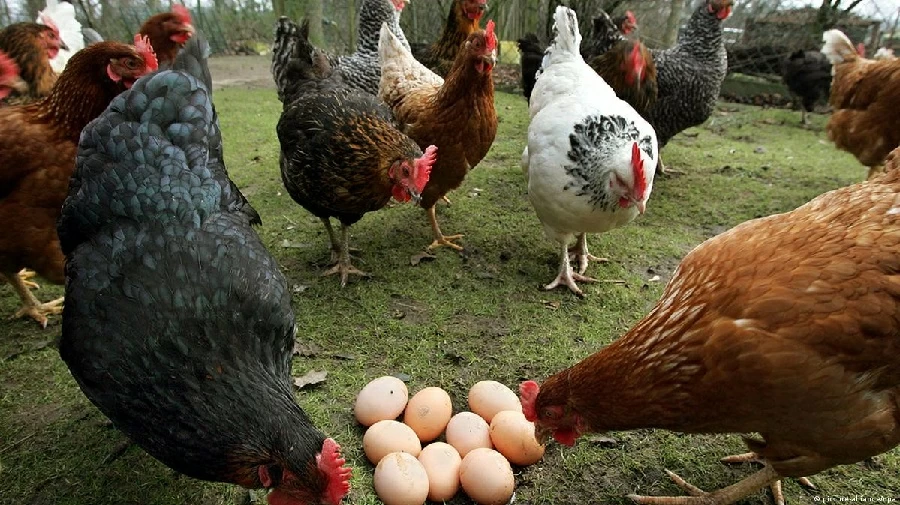
ظل السؤال: «أيهما جاء أولًا، الدجاجة أم البيضة؟» حاضرًا في النقاشات الفلسفية والعلمية لقرون، باعتباره لغزًا يبدو مغلقًا على نفسه؛ فالدجاجة تخرج من البيضة، والبيضة تأتي من دجاجة. لكن علم التطور يقدم إجابة أكثر وضوحًا: البيضة سبقت الدجاجة بزمن طويل جدًا.
وتشير الأدلة العلمية إلى أن الحيوانات التي تتكاثر بوضع البيض ظهرت على الأرض قبل نحو 540 مليون سنة؛ أي قبل ظهور الطيور والدجاج بفترة شاسعة. ومن ثم، فإن البيض ليس ابتكارًا مرتبطًا بالدجاج، بل وسيلة تكاثر أقدم بكثير من الطيور التي نعرفها اليوم.
ويصبح اللغز أكثر إثارةً عند النظر إليه من زاوية التطور. فالدجاج المنزلي، المعروف علميًا باسم Gallus gallus domesticus، تطور تدريجيًا من أسلاف برية، ويرتبط أصله بالدجاج الأحمر البري الذي ينتشر في مناطق من جنوب شرق آسيا.
ولم يظهر (أول دجاج) في لحظة منفصلة عن تاريخه التطوري، بل جاءت الصفات التي تميّز الدجاج الحديث نتيجة تغيرات وراثية تراكمت عبر أجيال متعاقبة.
وبحسب التفسير التطوري، فإن طائرين قريبين من الدجاج، لكنهما لم يكونا دجاجًا بالمعنى الحديث، وضعا في مرحلة ما بيضة حملت تركيبة وراثية جديدة، أدت إلى ولادة أول كائن يمكن اعتباره دجاجة حقيقية. وبذلك تكون البيضة التي احتوت التغيُّر الجيني قد سبقت الدجاجة التي خرجت منها.
ولا يتوقف الأمر عند أصل الدجاج، فالسجل التطوري يضع البيض في تاريخ أقدم بكثير من الطيور نفسها. فقد كانت الزواحف والديناصورات وكائنات أخرى تضع البيض قبل ظهور الدجاج بملايين السنين، فيما تطورت البيضات كوسيلة لحماية الأجنة وتوفير بيئة مناسبة لنموها خارج أجسام الأمهات.
ومن هذا المنظور، لا يبدو السؤال مجرد طرفة شعبية، بل مثال على الطريقة التي يعمل بها التطور؛ إذ لا تظهر الأنواع فجأة بحدود فاصلة، وإنما تتغير تدريجيًا عبر أجيال متعاقبة، ما يجعل تحديد «اللحظة الأولى» لنوع معين أكثر تعقيدًا مما يبدو.
وتشير الأدلة التطورية إلى أن البيض ظهر في الطبيعة قبل الدجاج والطيور بوقت طويل، ما يرجح علميًا أن البيضة سبقت الدجاجة في هذا اللغز الشهير.
The question: "Which came first, the chicken or the egg?" has been present in philosophical and scientific discussions for centuries, as it seems to be a closed riddle; the chicken comes from the egg, and the egg comes from the chicken. However, evolutionary science offers a clearer answer: the egg preceded the chicken by a very long time.
Scientific evidence indicates that egg-laying animals appeared on Earth about 540 million years ago; that is, long before the emergence of birds and chickens. Thus, eggs are not an innovation associated with chickens, but rather a means of reproduction that is much older than the birds we know today.
The riddle becomes even more intriguing when viewed from an evolutionary perspective. The domestic chicken, scientifically known as Gallus gallus domesticus, gradually evolved from wild ancestors, and its origin is linked to the red junglefowl that is found in parts of Southeast Asia.
The "first chicken" did not appear at a separate moment in its evolutionary history; rather, the traits that distinguish modern chickens resulted from genetic changes that accumulated over successive generations.
According to evolutionary explanation, two birds closely related to chickens, but not chickens in the modern sense, laid an egg at some point that contained a new genetic composition, leading to the birth of the first being that could be considered a true chicken. Thus, the egg that contained the genetic change preceded the chicken that hatched from it.
The matter does not stop at the origin of chickens; the evolutionary record places eggs in a much older history than birds themselves. Reptiles, dinosaurs, and other creatures were laying eggs millions of years before the appearance of chickens, while eggs evolved as a means to protect embryos and provide a suitable environment for their growth outside the mothers' bodies.
From this perspective, the question does not seem merely a popular joke, but an example of how evolution works; species do not appear suddenly with clear boundaries, but rather change gradually over successive generations, making the determination of the "first moment" for a particular species more complex than it seems.
Evolutionary evidence suggests that eggs appeared in nature long before chickens and birds, which scientifically supports the idea that the egg preceded the chicken in this famous riddle.