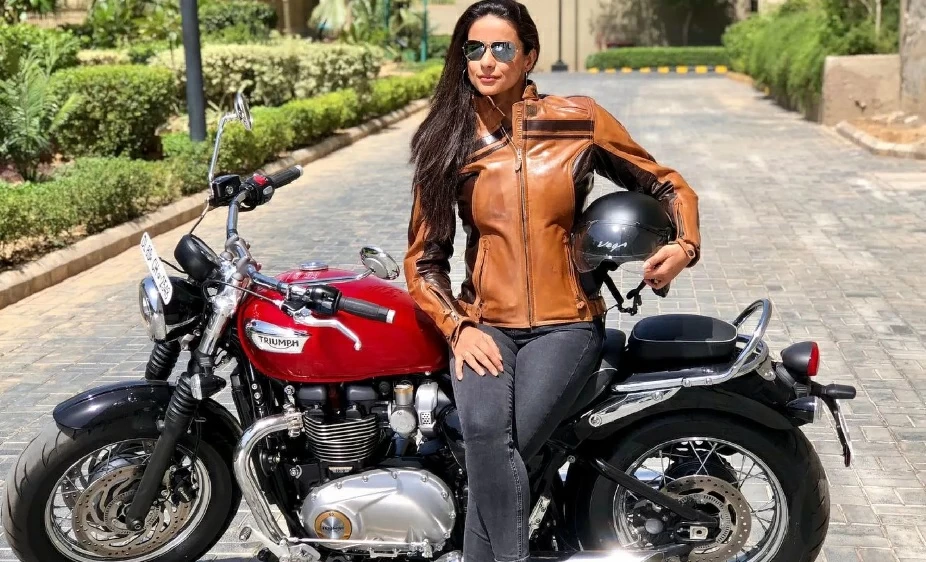
تواجه سائقات الدراجات النارية في الهند واقعًا قاسيًا على الطرقات، حيث يتعرّضن لتحرُّشات وملاحقات وقيادة عدائية، وسط ثقافة اجتماعية لا تزال تنظر إلى وجود المرأة على الدراجة باعتباره أمرًا غير مألوف.
ورغم ذلك، تواصل كثيرات منهن القيادة بإصرار وعزيمة، متحديات ما يواجهنه يوميًا من مخاطر وتمييز. وتروي سالوني تياغي (42 عامًا) حادثة صادمة تعرضت لها قبل عامين على طريق سريع في غوروغرام، حين تعمد سائق دراجة الاقتراب منها والاصطدام بها، ما تركها في حالة نفسية صعبة دفعتها للتوقف عن الرحلات الطويلة بمفردها، مؤكدةً أن معدات الحماية الكاملة أنقذتها من إصابات خطيرة.
وفي واقعة أخرى، أثارت غضبًا واسعًا الأسبوع الماضي، تعرضت شيفاني شوهان (27 عامًا) للملاحقة والاصطدام المتعمد من قبل سائق سيارة أثناء قيادتها دراجتها. ووثقت كاميرا مثبتة على دراجتها الحادثة، ما أدى إلى اعتقال السائق بتهمة الشروع في القتل، فيما أعلنت شوهان توقفها مؤقتًا عن القيادة لتجاوز الصدمة.
وتعاني سائقات أخريات من مضايقات مستمرة، بينها ما تتعرض له بريا ماهاديك (42 عامًا) التي تقول إن بعض السائقين الذكور يعتبرون قيادة امرأة لدراجة ضخمة تحديًا شخصيًا، فيقطعون طريقها أو يلاحقونها للتسابق أو يسخرون من طولها، في محاولة لإثبات عدم قدرة النساء على التحكم بالدراجات الكبيرة.
وتشير تياغي إلى أن قيادة المرأة تُعامل كاستثناء، ما يدفع كثيرات إلى اتخاذ احتياطات صارمة، مثل تجنُّب القيادة بعد السابعة مساءً أو اختيار الطرق المزدحمة لضمان الأمان.
وتتكرر التجارب القاسية، إذ تعرضت أنكيتا أرورا لحادث خطير قبل ثلاث سنوات عندما اصطدمت بها سيارة وسحبتها أمتارًا على الطريق، ما تسبب بتمزق معداتها وإصابتها بصدمة ونقص في الإحساس بأطرافها، ولا تزال قضيتها أمام المحكمة حتى اليوم.
وتنتقد السائقات ظاهرة «لوم الضحية» عبر الإنترنت، حيث تتلقى منشوراتهن تعليقات تتهمهن باستخدام «ورقة المرأة» أو التساؤل عن سبب وجودهن على الطريق، في انعكاس لتمييز متجذر ضد النساء.
وتكشف مانديب ميرواه، مؤسسة أول أكاديمية تدريب لسائقات الدراجات في الهند، عن فجوة واضحة بين المدن والريف؛ ففي البلدات الصغيرة يسارع السكان للمساعدة عند تعطل الدراجة، بينما تمتنع المساعدة في المدن وتزداد المضايقات. وتؤكد أن التغيير يحتاج إلى توعية تبدأ من الأطفال والشباب الذكور لكسر الموروثات الثقافية حول النوع الاجتماعي.
ويرى أخصائي الجراحة أرون ثيراجا أن غياب العقوبات الرادعة للقيادة الخطرة وتراجع الثقة في إنفاذ القانون أسهما في تفاقم التحرش والمضايقات ضد النساء على الطرقات، مقارنة بما كان عليه الوضع قبل عقود.
Female motorcyclists in India face a harsh reality on the roads, where they are subjected to harassment, stalking, and aggressive driving, amidst a social culture that still views a woman's presence on a motorcycle as unusual.
Despite this, many of them continue to ride with determination and resolve, challenging the daily dangers and discrimination they encounter. Saloni Tyagi (42 years old) recounts a shocking incident she experienced two years ago on a highway in Gurugram, when a motorcycle rider deliberately approached her and collided with her, leaving her in a difficult psychological state that forced her to stop taking long trips alone, affirming that full protective gear saved her from serious injuries.
In another incident that sparked widespread outrage last week, Shivani Chauhan (27 years old) was stalked and intentionally hit by a car driver while riding her motorcycle. A camera mounted on her bike captured the incident, leading to the driver's arrest on charges of attempted murder, while Chauhan announced her temporary halt from riding to cope with the trauma.
Other female riders suffer from ongoing harassment, including Priya Mahadik (42 years old), who says that some male drivers view a woman riding a large motorcycle as a personal challenge, cutting her off or racing against her, or mocking her height, in an attempt to prove that women are incapable of handling big bikes.
Tyagi points out that a woman's riding is treated as an exception, prompting many to take strict precautions, such as avoiding riding after 7 PM or choosing crowded routes to ensure safety.
Harsh experiences are repeated, as Ankita Arora suffered a serious accident three years ago when a car hit her and dragged her several meters down the road, causing her gear to tear and leaving her with trauma and numbness in her limbs, and her case is still in court today.
Female riders criticize the phenomenon of "victim-blaming" online, where their posts receive comments accusing them of using the "woman card" or questioning why they are on the road, reflecting deep-rooted discrimination against women.
Mandeep Miroah, founder of the first training academy for female motorcycle riders in India, reveals a clear gap between urban and rural areas; in small towns, residents rush to help when a motorcycle breaks down, while assistance is withheld in cities, and harassment increases. She emphasizes that change requires awareness starting from boys and young men to break cultural legacies surrounding gender.
Surgeon Arun Thiraja believes that the absence of deterrent penalties for reckless driving and a decline in trust in law enforcement have contributed to the escalation of harassment and bullying against women on the roads, compared to what the situation was decades ago.