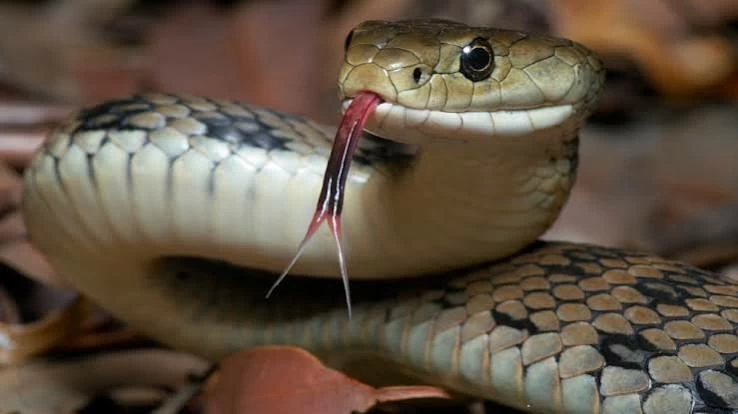
كشفت دراسة علمية استمرت نحو 7 سنوات نوعًا جديدًا من الثعابين آكلة البيض داخل غابات هارجينا في إثيوبيا، في اكتشاف يضيف نوعًا جديدًا إلى التنوع البيولوجي المعروف في المنطقة، بعد أن أكدت الفحوص الجينية والخصائص الشكلية اختلافه عن الأنواع المسجلة سابقًا.
وأطلق الباحثون على النوع الجديد اسم «داسيبيلتيس ألبيجولاريس» (Dasypeltis albigularis)، ويُعرف باسم آكل البيض ذي الحلق الأبيض، في إشارة إلى العلامة المميزة التي تظهر على منطقة الحلق والجزء الأمامي من الجانب السفلي لجسمه.
وبحسب صحيفة «تايمز أوف إنديا» تعود بداية القصة إلى عام 2019، عندما رصد الباحثون هذه الثعابين للمرة الأولى، واعتقدوا في البداية أنها تنتمي إلى نوع معروف باسم آكل البيض الجبلي.
لكن مع متابعة نموها وإجراء فحوص دقيقة لخصائصها الجسدية، إلى جانب تحليل عينات الحمض النووي، توصل العلماء إلى أنها لا تنتمي إلى النوع المعروف، بل تمثل سلالة مستقلة لم تكن موثقة علميًا من قبل.
ثعبان يعتمد على البيض فقط
ينتمي النوع المكتشف إلى جنس «داسيبيلتيس»، الذي يضم ثعابين متخصصة في التغذي على بيض الطيور، من دون الحاجة إلى افتراس الطيور نفسها.
وتتمتع هذه الثعابين بآلية تغذية لافتة؛ إذ تبتلع البيضة كاملة، ثم تستخدم فقرات عظمية متخصصة داخل جسمها لكسر القشرة واستخلاص محتوياتها الغذائية. وبعد ذلك تتخلص من القشرة المحطمة عبر إرجاعها إلى الخارج.
ويرى العلماء أن اكتشاف «آكل البيض ذي الحلق الأبيض» يسلط الضوء على حجم التنوع الحيوي الذي لا تزال تخفيه الغابات الإثيوبية، كما يعزز أهمية مواصلة الدراسات الميدانية والجينية لفهم الأنواع التي لم تحظَ بالتوثيق العلمي حتى الآن.
ويضيف الاكتشاف نوعًا جديدًا إلى قائمة الكائنات التي تكشف عنها البيئات الطبيعية في إثيوبيا، ويؤكد أن كثيرًا من تفاصيل الحياة البرية في هذه المناطق لا تزال بحاجة إلى مزيد من البحث والاستكشاف.
A scientific study lasting about 7 years has revealed a new species of egg-eating snake within the Harjina forests in Ethiopia, in a discovery that adds a new species to the known biodiversity of the region, after genetic tests and morphological characteristics confirmed its difference from previously recorded species.
The researchers named the new species "Dasypeltis albigularis," known as the white-throated egg-eater, referring to the distinctive mark that appears on the throat area and the front part of its underside.
According to the "Times of India," the story began in 2019 when researchers first spotted these snakes and initially thought they belonged to a known species called the mountain egg-eater.
However, as they monitored its growth and conducted precise examinations of its physical characteristics, along with DNA sample analysis, scientists concluded that it did not belong to the known species but represented an independent lineage that had not been scientifically documented before.
A snake that relies solely on eggs
The discovered species belongs to the genus "Dasypeltis," which includes snakes specialized in feeding on bird eggs without the need to prey on the birds themselves.
These snakes have a remarkable feeding mechanism; they swallow the egg whole, then use specialized bony vertebrae within their bodies to break the shell and extract its nutritional contents. After that, they expel the broken shell by regurgitating it.
Scientists believe that the discovery of the "white-throated egg-eater" highlights the extent of biodiversity still hidden in Ethiopian forests, and it underscores the importance of continuing field and genetic studies to understand species that have not yet been scientifically documented.
This discovery adds a new species to the list of organisms revealed by natural environments in Ethiopia, confirming that many details of wildlife in these areas still require further research and exploration.