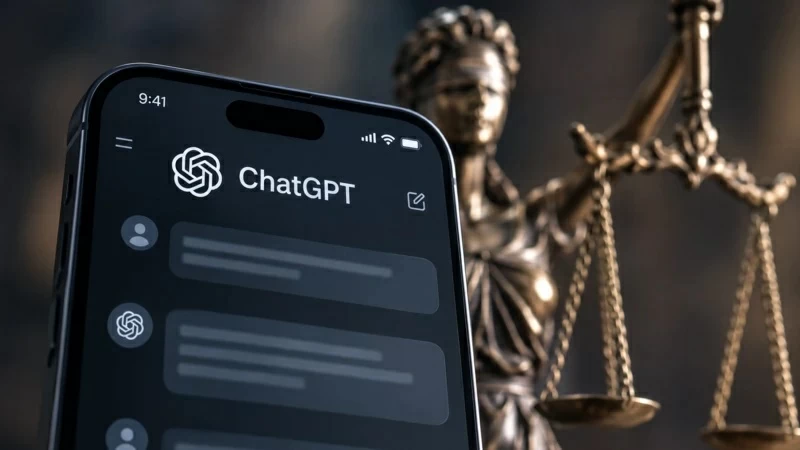
وجد مزارع برازيلي نفسه مقيداً خلف الأسوار، لا بسبب بلاغ من أحد خصومه، بل بعدما تحول روبوت المحادثة الشهير «تشات جي بي تي» إلى مخبر أبلغ السلطات عن نواياه.
على مدار شهرين، ظل المزارع يتبادل رسائل صادمة مع الذكاء الاصطناعي مفصحاً عن رغباته الإجرامية، حيث كتب في إحداها: «عرضتُ 50 ألفاً ليقتلني ويقتل ابني البالغ 8 سنوات»، وأضاف في أخرى: «يعجبني الإحساس برؤية شخص يتألم».
وسرعان ما التقطت أنظمة المراقبة الذكية في شركة «أوبن إيه آي» الخطورة العالية للرسائل، ورصدت التهديد المباشر لحياة الطفل، لتسارع بإبلاغ مكتب التحقيقات الفيدرالي الأمريكي (FBI)، الذي نسّق فوراً مع الشرطة البرازيلية للقبض على المزارع قبل تنفيذ مخططاته.
وفي حين يدعي الدفاع أن موكله كان «يمارس مجرد فضفضة وهلوسات مع برنامج كمبيوتر دون نية فعلية»، فجّرت هذه الواقعة جدلاً أخلاقياً واسعاً: هل أصبحت الشاشات أجهزة تنصت أمنية تنهي خصوصية المستخدمين لحمايتهم من أنفسهم؟
A Brazilian farmer found himself bound behind bars, not due to a report from one of his rivals, but after the famous chatbot "ChatGPT" turned into an informant that alerted the authorities about his intentions.
For two months, the farmer exchanged shocking messages with the artificial intelligence, revealing his criminal desires, where he wrote in one of them: "I offered 50 thousand for someone to kill me and my 8-year-old son," and added in another: "I enjoy the feeling of seeing someone in pain."
Quickly, the smart monitoring systems at "OpenAI" detected the high danger of the messages and identified the direct threat to the child's life, prompting them to alert the Federal Bureau of Investigation (FBI), which immediately coordinated with Brazilian police to arrest the farmer before he could carry out his plans.
While the defense claims that their client was "just venting and hallucinating with a computer program without any actual intent," this incident sparked a wide ethical debate: Have screens become security listening devices that end users' privacy to protect them from themselves?