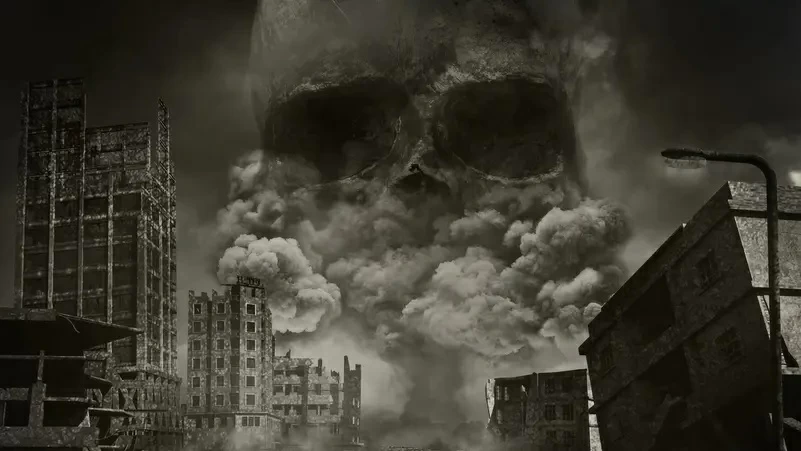
في غمرة القفزات التكنولوجية المتسارعة، عادت إلى السطح دراسة علمية مثيرة للجدل نشرتها مجلة «Science» المرموقة عام 1960، حين رسم ثلاثة باحثين بارزين من جامعة إلينوي سيناريو كارثياً ينتهي بنهاية العالم وتداعي المنظومة البشرية قبل نهاية عام 2026، وتحديداً في يوم الجمعة الموافق 13 نوفمبر.
لم تكن هذه النبوءة لتلقى رواجاً كبيراً الآن، إلا لأن أحد المشاركين في إعدادها هو العالم النمساوي الأمريكي هاينز فون فورستر، وهو الفيزيائي الذي أذهل الأوساط العلمية سابقاً بدقة توقعاته الحذرة بشأن الذكاء الاصطناعي منذ تسعينيات القرن الماضي، حين حذر مبكراً من خطر خطأ البشر في منح هذه البرامج مشاعر أو معاملتها ككيانات مفكرة.
وبالعودة إلى نص الدراسة، تبين أن النموذج الرياضي الذي بناه فون فورستر وزملاؤه اعتمد كلياً على معادلة الانفجار السكاني وتدفق الموارد، إذ كان عدد سكان الأرض حينها لا يتجاوز 3 مليارات نسمة، وتوقعت الدراسة أن تصل الكثافة البشرية إلى «نقطة الانهيار الذاتي» حين يتجاوز الكوكب قدرته على الاستيعاب والتغذية.
ورغم أن مؤشرات الأمم المتحدة الحالية ترسم مساراً أكثر اعتدالاً يرجح وصول السكان إلى الذروة بنحو 10.3 مليار نسمة بحلول ثمانينيات القرن الحالي قبل أن يبدأ المنحنى بالانخفاض، إلا أن دقة تحذيرات «فون فورستر» القديمة بشأن علاقة الإنسان بالتكنولوجيا المتقدمة أعادت تسليط الضوء على هذه الدراسة الاستشرافية، لتفتح باب النقاش مجدداً حول حدود الكوكب وقدرته على الاستمرار.
Amid the rapid technological leaps, a controversial scientific study published by the prestigious journal "Science" in 1960 has resurfaced, in which three prominent researchers from the University of Illinois painted a catastrophic scenario ending with the end of the world and the collapse of human systems before the end of 2026, specifically on Friday, November 13.
This prophecy would not have gained much traction now, except for the fact that one of the contributors to its preparation is the Austrian-American scientist Heinz von Foerster, a physicist who previously astonished the scientific community with his cautious predictions about artificial intelligence since the 1990s, when he early warned of the danger of humans mistakenly attributing emotions to these programs or treating them as thinking entities.
Returning to the text of the study, it turns out that the mathematical model built by von Foerster and his colleagues relied entirely on the equation of population explosion and resource flow, as the Earth's population at that time did not exceed 3 billion people. The study predicted that human density would reach a "self-collapse point" when the planet exceeds its capacity for absorption and sustenance.
Although current United Nations indicators chart a more moderate path, suggesting that the population will peak at around 10.3 billion by the 2080s before the curve begins to decline, the accuracy of von Foerster's old warnings about the relationship between humans and advanced technology has once again brought this foresight study into the spotlight, reopening the discussion about the limits of the planet and its ability to sustain itself.