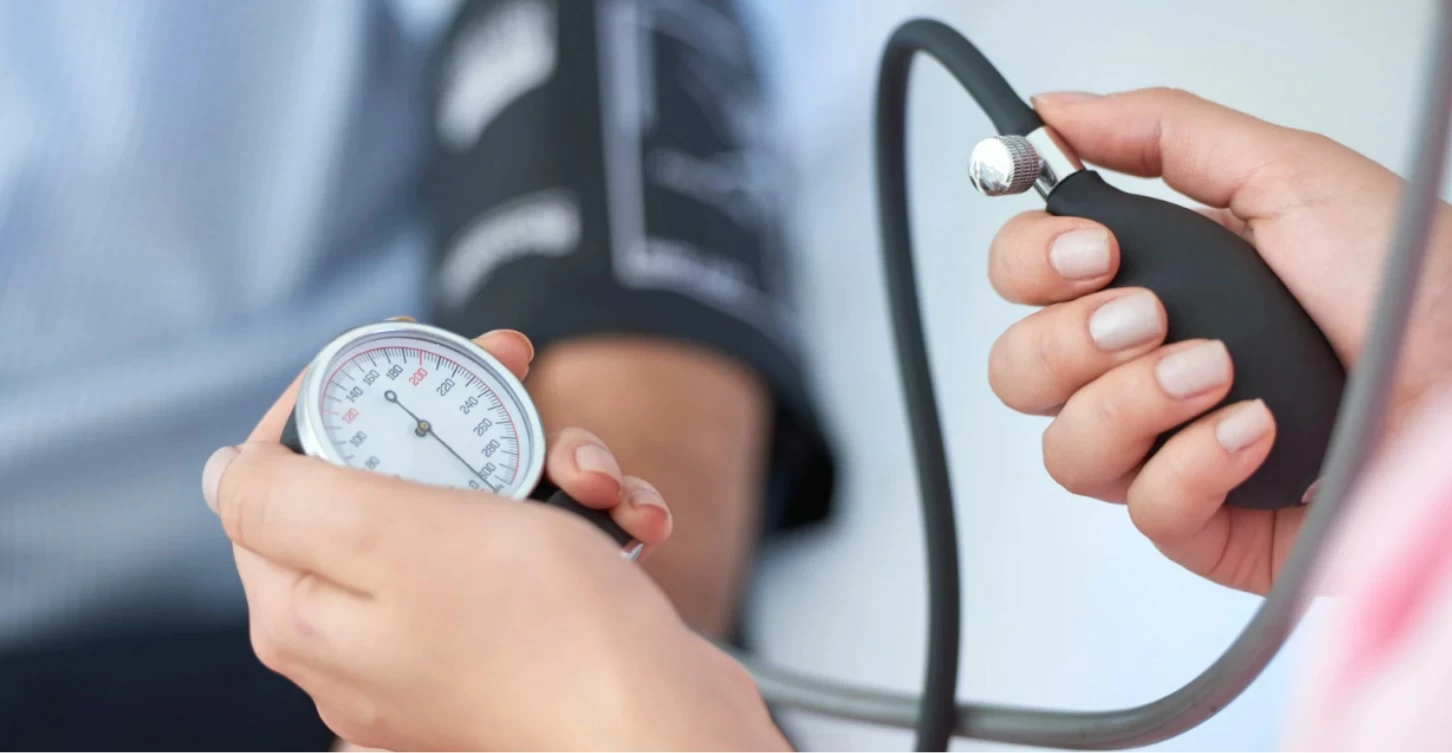
قد يكون اكتشاف ارتفاع ضغط الدم خلال الفحوصات الدورية خبراً مقلقاً، لكنه في الوقت نفسه قد يمثل فرصة مهمة للتدخل المبكر وحماية الصحة، ويُعرف ارتفاع ضغط الدم بـ«القاتل الصامت» لأنه غالباً لا يسبب أعراضاً واضحة، رغم ارتباطه بزيادة مخاطر الإصابة بالسكتة الدماغية وأمراض القلب والكلى وفقدان البصر والخرف الوعائي.
ماذا تعني أرقام ضغط الدم؟
ويقاس ضغط الدم بوحدة ملليمتر زئبق (mmHg)، ويتكون من رقمين؛ الرقم العلوي أو الانقباضي، وهو الضغط داخل الشرايين أثناء انقباض القلب، والرقم السفلي أو الانبساطي، وهو الضغط عندما يرتاح القلب بين النبضات.
وبالنسبة لمن تجاوزوا الـ50، يكون الرقم الانقباضي أكثر أهمية في تحديد مخاطر الإصابة بالسكتة وأمراض القلب.
طرق للمساعدة على خفض ضغط الدم
ويُعد ضغط الدم الطبيعي عموماً بين 90/ 60 و120/ 80 ملليمتر زئبق، وهناك عدة طرق للمساعدة في خفض ضغط الدم المرتفع، حسبما أفادت صحيفة التلغراف البريطانية.
الالتزام بالأدوية الموصوفة
توجد عدة أنواع فعالة من أدوية ضغط الدم، منها مثبطات الإنزيم المحول للأنجيوتنسين وحاصرات مستقبلاته، ومدرات البول، وحاصرات قنوات الكالسيوم. وقد يحتاج بعض المرضى إلى أكثر من دواء لتحقيق السيطرة المطلوبة.
ورغم احتمال حدوث آثار جانبية مثل الدوخة أو الصداع لدى بعض الأشخاص، فإن مخاطر ارتفاع الضغط غير المسيطر عليه أكبر بكثير. لذلك يجب عدم إيقاف الدواء أو تغيير جرعته دون استشارة الطبيب.
تقليل الملح
يُعد تقليل الملح من أهم الخطوات لخفض ضغط الدم، وقد تظهر نتائجه خلال أسابيع. ويُنصح بألا يتجاوز استهلاك البالغين 6 غرامات من الملح يومياً، أي نحو ملعقة شاي صغيرة.
ويأتي جزء كبير من الملح من الأطعمة المصنعة والوجبات الجاهزة واللحوم المصنعة والمخللات وصلصة الصويا والكاتشب. ويمكن استبداله بالأعشاب والتوابل والليمون لإضافة النكهة.
تناول المزيد من الأطعمة الغنية بالبوتاسيوم
يساعد البوتاسيوم الجسم على التخلص من الصوديوم ويدعم صحة الأوعية الدموية، ومن مصادره الموز والخضراوات الورقية والبطاطا الحلوة والأفوكادو والطماطم والمكسرات غير المملحة والبذور والمشمش والفطر.
لكن مرضى الكلى وبعض الأشخاص الذين يتناولون أدوية معينة لضغط الدم يجب أن يستشيروا الطبيب قبل زيادة استهلاك البوتاسيوم.
ممارسة الرياضة
النشاط البدني المنتظم يقوي عضلة القلب ويجعلها تضخ الدم بكفاءة أكبر، ويُنصح بنحو 150 دقيقة من النشاط المعتدل أسبوعياً.
وتشير مراجعات بحثية إلى أن تمارين مختلفة يمكن أن تخفض الضغط، مع نتائج لافتة لبعض التمارين الثابتة مثل القرفصاء والجلوس على الحائط.
فقدان الوزن الزائد
إنقاص الوزن، حتى بنسبة 5 إلى 10% من وزن الجسم، قد يساعد في خفض ضغط الدم، كما يرتبط تراكم الدهون حول منطقة البطن بزيادة خطر ارتفاع الضغط.
تأثير الكحول
يرتبط تناول الكحول بارتفاع ضغط الدم، كما قد يساهم في زيادة الوزن ويتداخل مع بعض أدوية الضغط.
الإقلاع عن التدخين والتدخين الإلكتروني
يمكن للتدخين أن يرفع ضغط الدم مؤقتاً ويزيد معدل ضربات القلب، كما يساهم في تراكم الدهون داخل الشرايين.
وتشير تقارير أيضاً إلى تغيرات مقلقة في ضغط الدم ومعدل ضربات القلب بعد التدخين الإلكتروني، ويقلل الإقلاع عن التدخين خطر الإصابة بأمراض القلب والسكتة.
الحصول على نوم كافٍ
ينخفض ضغط الدم عادة أثناء النوم، بينما يرتبط الحرمان المنتظم من النوم، خصوصاً أقل من خمس ساعات ليلاً، بارتفاع الضغط.
ويساعد انتظام مواعيد النوم وممارسة الرياضة وتقليل استخدام الأجهزة الإلكترونية في غرفة النوم على تحسين جودة النوم.
الحذر من المكملات الغذائية
قد تساعد بعض المكملات، مثل المغنيسيوم وفيتامين D وزيت السمك، في خفض الضغط لدى بعض الأشخاص، لكن بعضها قد يتداخل مع الأدوية، لذلك يجب استشارة الطبيب قبل تناولها.
قياس الضغط في المنزل
قد يكون جهاز قياس ضغط الدم المنزلي وسيلة مهمة لاكتشاف التغيرات اليومية ومتابعة تأثير العلاج ونمط الحياة.
ويُفضل القياس في الوقت نفسه يومياً، وأخذ قراءتين أو ثلاث بفاصل دقيقة أو دقيقتين، وتسجيل النتائج ومشاركتها مع الطبيب.
لماذا يرتفع الضغط مع التقدم في العمر؟
تزداد احتمالات ارتفاع ضغط الدم مع العمر، ويُعتقد أن النظام الغذائي، وخصوصاً الإفراط في تناول الملح، ويلعب دوراً مهماً في ذلك، فزيادة الصوديوم تدفع الجسم إلى الاحتفاظ بمزيد من السوائل، ما يزيد حجم الدم والضغط على جدران الأوعية الدموية.
Discovering high blood pressure during routine check-ups can be concerning news, but at the same time, it may represent an important opportunity for early intervention and health protection. High blood pressure is known as the "silent killer" because it often does not cause obvious symptoms, despite being associated with increased risks of stroke, heart disease, kidney disease, vision loss, and vascular dementia.
What do blood pressure numbers mean?
Blood pressure is measured in millimeters of mercury (mmHg) and consists of two numbers; the top number or systolic, which is the pressure in the arteries during heart contraction, and the bottom number or diastolic, which is the pressure when the heart rests between beats.
For those over 50, the systolic number is more important in determining the risk of stroke and heart disease.
Ways to help lower blood pressure
Normal blood pressure is generally between 90/60 and 120/80 millimeters of mercury, and there are several ways to help lower high blood pressure, according to the British Telegraph.
Adherence to prescribed medications
There are several effective types of blood pressure medications, including ACE inhibitors, their receptor blockers, diuretics, and calcium channel blockers. Some patients may need more than one medication to achieve the desired control.
Although side effects like dizziness or headaches may occur in some individuals, the risks of uncontrolled high blood pressure are much greater. Therefore, medications should not be stopped or dosages changed without consulting a doctor.
Reducing salt
Reducing salt is one of the most important steps to lower blood pressure, and results may appear within weeks. Adults are advised not to exceed 6 grams of salt per day, which is about a teaspoon.
A large portion of salt comes from processed foods, ready meals, processed meats, pickles, soy sauce, and ketchup. It can be replaced with herbs, spices, and lemon to add flavor.
Eating more potassium-rich foods
Potassium helps the body eliminate sodium and supports vascular health, with sources including bananas, leafy greens, sweet potatoes, avocados, tomatoes, unsalted nuts, seeds, apricots, and mushrooms.
However, kidney patients and some individuals taking certain blood pressure medications should consult a doctor before increasing potassium intake.
Exercising
Regular physical activity strengthens the heart muscle and allows it to pump blood more efficiently, with about 150 minutes of moderate activity recommended weekly.
Research reviews indicate that various exercises can lower blood pressure, with notable results from certain static exercises like squats and wall sits.
Weight loss
Losing weight, even by 5 to 10% of body weight, can help lower blood pressure, as fat accumulation around the abdominal area is linked to an increased risk of high blood pressure.
The impact of alcohol
Alcohol consumption is associated with high blood pressure, and it may also contribute to weight gain and interfere with some blood pressure medications.
Quitting smoking and vaping
Smoking can temporarily raise blood pressure and increase heart rate, as well as contribute to fat accumulation in the arteries.
Reports also indicate concerning changes in blood pressure and heart rate after vaping, and quitting smoking reduces the risk of heart disease and stroke.
Getting enough sleep
Blood pressure typically decreases during sleep, while regular sleep deprivation, especially less than five hours at night, is associated with high blood pressure.
Maintaining regular sleep schedules, exercising, and reducing the use of electronic devices in the bedroom can help improve sleep quality.
Be cautious with dietary supplements
Some supplements, such as magnesium, vitamin D, and fish oil, may help lower blood pressure in some individuals, but some may interact with medications, so it's important to consult a doctor before taking them.
Measuring blood pressure at home
A home blood pressure monitor can be an important tool for detecting daily changes and tracking the effects of treatment and lifestyle.
It is preferable to measure at the same time each day, taking two or three readings with a one or two-minute interval, and recording the results to share with a doctor.
Why does blood pressure increase with age?
The likelihood of high blood pressure increases with age, and diet, particularly excessive salt intake, is believed to play a significant role in this. Increased sodium causes the body to retain more fluids, which raises blood volume and pressure on the walls of blood vessels.