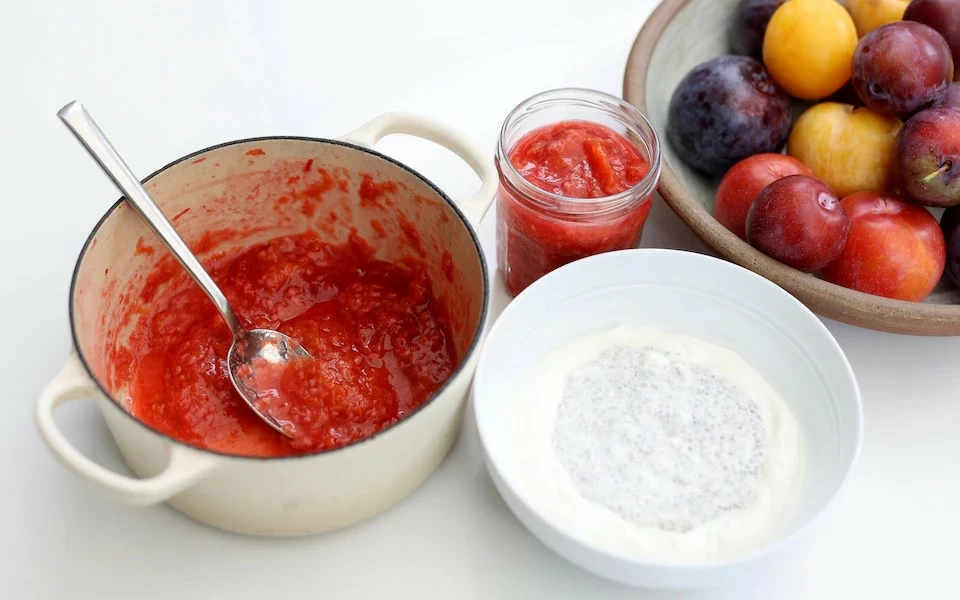
يتميز البرقوق بلونه البنفسجي الجذاب وطعمه الحلو والعصيري، لكنه لا يقدم مذاقاً مميزاً فحسب، بل يحتوي أيضاً على الألياف والبوتاسيوم ومجموعة من المركبات النباتية التي قد تدعم صحة القلب والجهاز الهضمي والعظام، فضلاً عن فوائد محتملة لصحة الدماغ.
ويبلغ البرقوق ذروة موسمه بين أغسطس وأوائل أكتوبر، ويمكن تناوله طازجاً، أو إضافته إلى أطباق حلوة ومالحة، أو تجفيفه للحصول على البرقوق المجفف «القراصيا».
مركبات مفيدة لصحة القلب
ويحتوي قشر البرقوق الأحمر الداكن والبنفسجي على مركبات «الأنثوسيانين»، وهي مضادات أكسدة تنتمي إلى عائلة الفلافونويدات والبوليفينولات.
وقد تساعد هذه المركبات في حماية الخلايا من الإجهاد التأكسدي، الذي يعد أحد العوامل المرتبطة بأمراض القلب والأوعية الدموية.
كما يوفر البرقوق البوتاسيوم، إذ تحتوي الثمرة الواحدة على نحو 150 مليغراماً منه، ويساهم هذا المعدن في تنظيم ضغط الدم من خلال المساعدة على تحقيق التوازن مع الصوديوم ودعم صحة الأوعية الدموية.
وتحتوي الثمرة أيضاً على نحو غرام من الألياف، التي يمكن أن تساعد، خصوصاً الألياف القابلة للذوبان، على تقليل امتصاص الكوليسترول ودعم صحة القلب ضمن نظام غذائي متوازن.
مفيد للجهاز الهضمي
وتساعد الألياف الموجودة في البرقوق على دعم وظائف الأمعاء وتغذية البكتيريا النافعة في الجهاز الهضمي. كما يحتوي على «السوربيتول»، وهو كحول سكري طبيعي يساعد على جذب الماء إلى الأمعاء، ما قد يساهم في تليين البراز وتسهيل الإخراج.
ولهذا السبب، قد يكون البرقوق مفيداً للأشخاص الذين يعانون من الإمساك العرضي.
القراصيا وصحة العظام
يرتبط البرقوق المجفف، أو القراصيا، بصورة خاصة بصحة العظام، وتشير بعض الدراسات إلى أن تناول نحو 50 غراماً منه يومياً، أي ما يعادل 4 إلى 6 حبات تقريباً، قد يساعد النساء بعد انقطاع الطمث على الحفاظ على كثافة العظام.
ويُعتقد أن ذلك يرتبط باحتوائه على فيتامين K والبورون والبوتاسيوم والمغنيسيوم والبوليفينولات والألياف، ويحتوي البرقوق الطازج على بعض هذه العناصر أيضاً، لكن التجفيف يجعلها أكثر تركيزاً.
فوائد محتملة للدماغ والوزن
يحتوي البرقوق على مركبات بوليفينولية، من بينها حمضا الكلوروجينيك والنيوغلوروجينيك، اللذان أظهرت الدراسات خصائص مضادة للأكسدة والالتهاب.
كما أشارت مراجعة علمية إلى ارتباط تناول البرقوق ببعض المؤشرات الأفضل المتعلقة بالوظائف الإدراكية وصحة العظام وعوامل خطر أمراض القلب، مع التأكيد على الحاجة إلى مزيد من الدراسات البشرية.
ويُعد البرقوق خياراً مناسباً لمن يراقبون أوزانهم؛ إذ تحتوي 100 غرام منه على نحو 46 سعرة حرارية، بينما تحتوي الثمرة المتوسطة على نحو 30 سعرة، كما يساعد محتواه المرتفع من الماء والألياف على الشعور بالشبع.
متى يجب الحذر؟
رغم أن البرقوق آمن ومغذٍ لمعظم الأشخاص، فإنه قد يسبب مشكلات هضمية لدى بعض المصابين بالقولون العصبي، بسبب احتوائه على السوربيتول والفركتوز، وهما من مركبات «FODMAP» التي قد تسبب الانتفاخ والغازات وآلام البطن أو الإسهال لدى الأشخاص الحساسين.
كذلك ينبغي لمرضى الكلى توخي الحذر؛ لأن ارتفاع البوتاسيوم قد يمثل مشكلة لدى من يعانون ضعف وظائف الكلى أو يتناولون أدوية تحافظ على البوتاسيوم، وفي هذه الحالات، يُفضل استشارة الطبيب قبل الإكثار من تناوله.
أفضل طرق تناوله
يمكن إضافة البرقوق الطازج إلى الزبادي اليوناني، أو السموذي، أو السلطات، كما يمكن تناوله مع المكسرات والبذور كوجبة خفيفة مشبعة، ويمكن أيضاً طهيه أو شويه واستخدامه في أطباق مختلفة.
وبشكل عام، لا توجد كمية يومية محددة من البرقوق تناسب الجميع، لكنه يمكن أن يكون جزءاً من حصص الفواكه والخضراوات اليومية، ويظل التنوع في تناول الفواكه والخضراوات المختلفة الألوان أفضل من التركيز على نوع واحد باعتباره «غذاءً خارقاً».
Plums are characterized by their attractive purple color and sweet, juicy taste, but they not only offer a distinctive flavor; they also contain fiber, potassium, and a range of plant compounds that may support heart, digestive, and bone health, as well as potential benefits for brain health.
The peak season for plums is between August and early October, and they can be eaten fresh, added to sweet and savory dishes, or dried to make prunes.
Beneficial Compounds for Heart Health
The skin of dark red and purple plums contains "anthocyanins," which are antioxidants belonging to the flavonoid and polyphenol family.
These compounds may help protect cells from oxidative stress, which is one of the factors associated with cardiovascular diseases.
Plums also provide potassium, with a single fruit containing about 150 milligrams of it, and this mineral helps regulate blood pressure by balancing sodium and supporting vascular health.
The fruit also contains about a gram of fiber, which can help, particularly soluble fiber, to reduce cholesterol absorption and support heart health within a balanced diet.
Beneficial for Digestive Health
The fiber found in plums helps support bowel function and nourishes beneficial bacteria in the digestive system. It also contains "sorbitol," a natural sugar alcohol that helps draw water into the intestines, which may contribute to softening stools and facilitating bowel movements.
For this reason, plums may be beneficial for individuals suffering from occasional constipation.
Prunes and Bone Health
Dried plums, or prunes, are particularly associated with bone health, and some studies suggest that consuming about 50 grams of them daily, equivalent to about 4 to 6 pieces, may help postmenopausal women maintain bone density.
This is believed to be linked to their content of vitamin K, boron, potassium, magnesium, polyphenols, and fiber. Fresh plums also contain some of these elements, but drying makes them more concentrated.
Potential Benefits for Brain and Weight
Plums contain polyphenolic compounds, including chlorogenic and neochlorogenic acids, which studies have shown to have antioxidant and anti-inflammatory properties.
A scientific review also indicated a link between plum consumption and some better indicators related to cognitive function, bone health, and risk factors for heart disease, emphasizing the need for more human studies.
Plums are a suitable option for those monitoring their weight; 100 grams contain about 46 calories, while an average fruit has about 30 calories, and their high water and fiber content helps promote a feeling of fullness.
When to Exercise Caution?
Although plums are safe and nutritious for most people, they may cause digestive issues in some individuals with irritable bowel syndrome due to their sorbitol and fructose content, which are part of the "FODMAP" compounds that may cause bloating, gas, abdominal pain, or diarrhea in sensitive individuals.
Additionally, kidney patients should exercise caution; high potassium levels may pose a problem for those with impaired kidney function or those taking potassium-sparing medications, and in such cases, it is advisable to consult a doctor before increasing consumption.
Best Ways to Consume Them
Fresh plums can be added to Greek yogurt, smoothies, or salads, and they can be enjoyed with nuts and seeds as a satisfying snack. They can also be cooked or grilled and used in various dishes.
In general, there is no specific daily amount of plums that suits everyone, but they can be part of daily fruit and vegetable servings, and maintaining variety in consuming fruits and vegetables of different colors is better than focusing on one type as a "superfood."