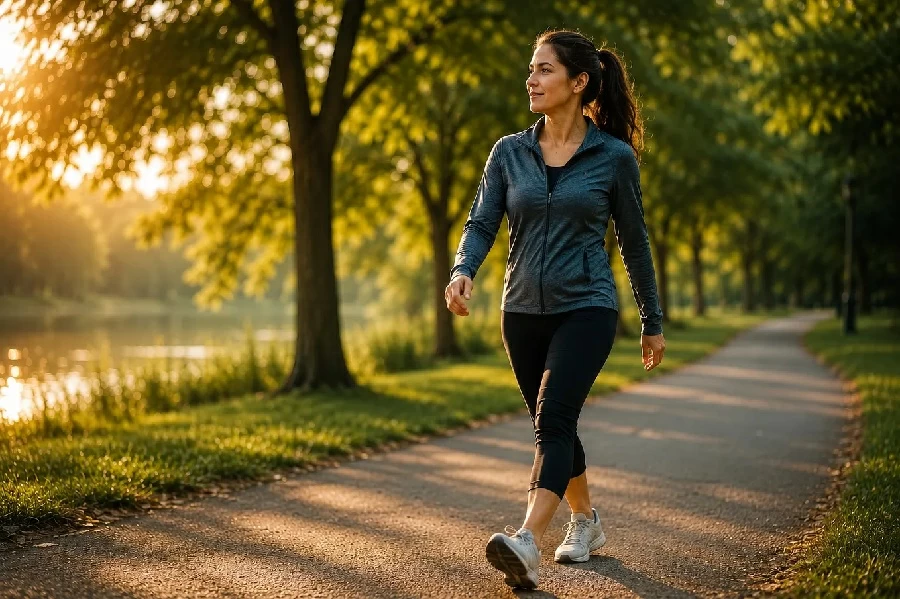
تكشف دراسة حديثة نُشرت في المجلة البريطانية للطب الرياضي أن سرعة المشي قد تكون عاملًا صحيًا لا يقل أهمية عن عدد الخطوات اليومية، إذ تبين أن المشي بوتيرة أسرع -even لو كان لخطوات قليلة- يمنح فوائد صحية مماثلة لتلك التي يحصل عليها من يقطعون مسافات أطول بوتيرة بطيئة.
وتوضح الدراسة أن الأشخاص الذين يمشون أقل من خمسة آلاف خطوة يوميًا لكنهم يحافظون على سرعة تتجاوز ثمانين خطوة في الدقيقة، يحققون حماية صحية مشابهة لمن يلتزمون بعشرة آلاف خطوة يوميًا دون نشاط ملحوظ. واعتمد الباحثون في نتائجهم على تحليل بيانات أكثر من 100 وثلاثة آلاف مشارك من البنك الحيوي البريطاني، تمت متابعة حالتهم الصحية على مدى ثماني سنوات لرصد العلاقة بين كثافة المشي وطول العمر.
ويرى المتخصصون أن المشي السريع -even لفترات قصيرة- يسهم في تحسين ضغط الدم، وضبط الوزن، وتعزيز حساسية الإنسولين؛ ما يقلل المخاطر الأيضية والقلبية بصورة مباشرة. وتمنح هذه النتائج مرونة كبيرة للأشخاص الذين لا يملكون الوقت أو القدرة البدنية لقطع مسافات طويلة، إذ تؤكد أن إدراج لحظات قصيرة من المشي السريع خلال اليوم، مثل صعود الدرج أو التحرك النشط بين الاجتماعات، يمكن أن يصنع فارقًا حقيقيًا في الصحة العامة، شرط المواظبة والاستمرارية.
A recent study published in the British Journal of Sports Medicine reveals that walking speed may be a health factor as important as the number of daily steps. It has been shown that walking at a faster pace - even if it's for a few steps - provides health benefits similar to those gained by individuals who cover longer distances at a slower pace.
The study indicates that individuals who walk less than five thousand steps daily but maintain a speed exceeding eighty steps per minute achieve similar health protection to those who commit to ten thousand steps daily without significant activity. The researchers based their findings on an analysis of data from over 103,000 participants in the UK Biobank, whose health was monitored over eight years to observe the relationship between walking intensity and longevity.
Experts believe that brisk walking - even for short periods - contributes to improving blood pressure, regulating weight, and enhancing insulin sensitivity; thereby directly reducing metabolic and cardiovascular risks. These findings offer great flexibility for individuals who do not have the time or physical ability to cover long distances, as they confirm that incorporating short moments of brisk walking throughout the day, such as climbing stairs or moving actively between meetings, can make a real difference in overall health, provided there is consistency and continuity.