حذّرت دراسة دولية حديثة من أن تصلّب الشرايين قد يبدأ في سن مبكرة جدًا ويستمر في التطور بصمت لسنوات طويلة قبل ظهور أي أعراض، ما يعني أن المرض المرتبط بالنوبات القلبية قد يكون موجودًا لدى كثيرين قبل عقود من حدوث مضاعفاته.
وشملت الدراسة؛ التي نفذها باحثون من الدنمارك وإسبانيا، أكثر من 16 ألف شخص تتراوح أعمارهم بين 18 و70 عامًا، دون تاريخ مرضي معروف لأمراض القلب. وأظهرت فحوص التصوير المتقدمة، المتوفرة لدى نحو 13 ألف مشارك، وجود مؤشرات على تصلّب الشرايين لدى 57% منهم، بما في ذلك الفئة الأصغر سنًا، إذ سُجلت الإصابة لدى واحد من كل 13 شخصًا بين 18 و29 عامًا.
وتبيّن أن انتشار المرض يرتفع تدريجيًا مع التقدم في العمر؛ ففي الثلاثينيات ظهرت اللويحات لدى 34.6% من الرجال و21.3% من النساء. كما أظهرت النتائج أن الرجال يبدؤون الإصابة قبل النساء بنحو 5 إلى 10 سنوات، بينما ترتفع معدلات الإصابة لدى النساء بسرعة أكبر في منتصف العمر.
وبحلول سن 60 إلى 70 عامًا، لم تُسجّل لويحات إلا لدى نسبة ضئيلة جدًا؛ 1.9% من الرجال و8.1% من النساء. كما اتسعت رقعة الإصابة لتشمل الشرايين السباتية والفخذية والتاجية لدى أكثر من نصف الرجال وثلث النساء في هذه الفئة العمرية.
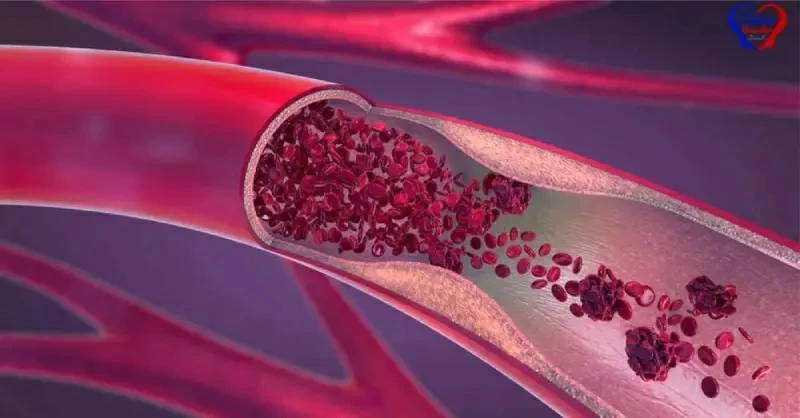
ويحدث تصلّب الشرايين نتيجة تراكم الدهون والكوليسترول داخل جدران الشرايين، ما يؤدي إلى تضيقها أو تمزق اللويحات وتكوّن جلطات قد تسبب نوبات قلبية أو سكتات دماغية.
وكشفت الدراسة، أيضًا، فجوة واضحة بين وجود المرض فعليًا وبين تقديرات الخطر التقليدية؛ إذ لم تصنّف أداة SCORE2 سوى 1.9% من المصابين بتصلّب الشرايين الصامت ضمن فئة الخطر المرتفع، رغم وجود لويحات مؤكدة لديهم.
ورغم أهمية النتائج، يؤكد الباحثون أن الدراسة لا تدعو إلى إجراء فحوص تصويرية روتينية للجميع، بل تهدف إلى فهم مدى انتشار المرض وتطوره. ويخطط الفريق لإجراء تجربة سريرية واسعة لاختبار ما إذا كان الكشف المبكر عبر التصوير والتدخل الوقائي يمكن أن يحدّ من تطور المرض بصورة أكثر فاعلية من الأساليب الحالية.
A recent international study has warned that atherosclerosis may begin at a very early age and continue to develop silently for many years before any symptoms appear, meaning that the disease associated with heart attacks may be present in many individuals for decades before complications occur.
The study, conducted by researchers from Denmark and Spain, included more than 16,000 people aged between 18 and 70 years, with no known medical history of heart disease. Advanced imaging tests, available for about 13,000 participants, showed signs of atherosclerosis in 57% of them, including the younger age group, where one in every 13 individuals aged 18 to 29 was found to be affected.
The prevalence of the disease was found to gradually increase with age; in the thirties, plaques were observed in 34.6% of men and 21.3% of women. The results also showed that men begin to be affected about 5 to 10 years earlier than women, while the rates of incidence among women rise more rapidly in midlife.
By the age of 60 to 70 years, plaques were recorded in only a very small percentage; 1.9% of men and 8.1% of women. The area of involvement expanded to include the carotid, femoral, and coronary arteries in more than half of the men and a third of the women in this age group.
Atherosclerosis occurs as a result of the accumulation of fats and cholesterol within the walls of the arteries, leading to their narrowing or the rupture of plaques and the formation of clots that may cause heart attacks or strokes.
The study also revealed a clear gap between the actual presence of the disease and traditional risk assessments; the SCORE2 tool classified only 1.9% of those with silent atherosclerosis as being in the high-risk category, despite having confirmed plaques.
Despite the importance of the findings, the researchers emphasize that the study does not call for routine imaging tests for everyone, but aims to understand the extent of the disease and its development. The team plans to conduct a large clinical trial to test whether early detection through imaging and preventive intervention can more effectively limit the progression of the disease compared to current methods.