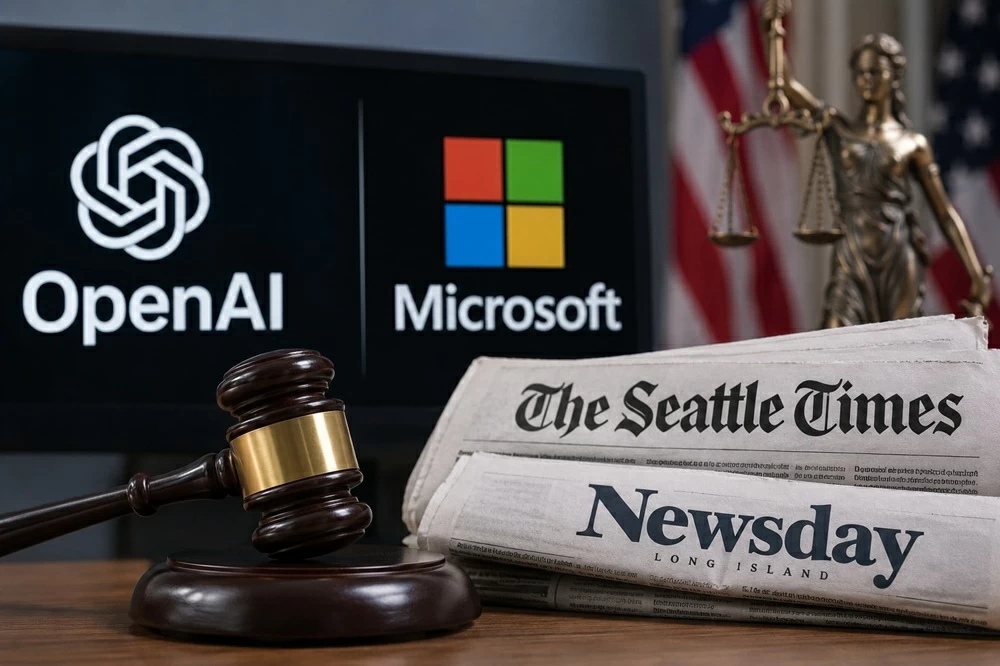
رفعت صحيفتا «سياتل تايمز» و«نيوزداي» الأمريكيتان دعوى قضائية ضد شركتي «أوبن إيه آي» و«مايكروسوفت»، متهمتين إياهما باستخدام محتوى صحفي دون إذن لتدريب وتشغيل أنظمة الذكاء الاصطناعي.
وأوضحت الدعوى، المرفوعة أمام المحكمة الجزئية الأمريكية للمنطقة الجنوبية من نيويورك، أن الشركتين جمعتا محتوى من موقعي الصحيفتين، بما في ذلك مواد متاحة خلف جدران الدفع، وأدرجتا مقالات في مجموعات بيانات استُخدمت لتطوير وتشغيل منتجات مثل «شات جي بي تي» و«مايكروسوفت كوبايلوت»، إلى جانب مزايا الذكاء الاصطناعي في محرك «بينغ».
وقالت الصحيفتان إن أنظمة الذكاء الاصطناعي التابعة للشركتين أصبحت قادرة على إعادة إنتاج أجزاء من تقاريرهما، أو تقديم إعادة صياغة قريبة جداً من النصوص الأصلية، وهو ما اعتبرتا أنه قد يقلل من حاجة المستخدمين إلى زيارة موقعيهما أو الاشتراك في خدماتهما المدفوعة، وفقاً لما أوردته «رويترز».
ونقلت «سياتل تايمز» عن رئيسها ومديرها التنفيذي آلان فيسكو قوله إن الصحيفة «تؤمن بشدة بضرورة الدفاع عن محتواها»، مشيراً إلى أنها تنفق ملايين الدولارات سنوياً لإنتاج المواد الصحفية، وأنها ترفض استخدام هذا المحتوى دون موافقتها أو الحصول على تعويض.
من جانبها، قالت «أوبن إيه آي» إن نماذجها تعتمد في تدريبها على بيانات متاحة للجمهور، وإن استخدامها لهذه البيانات يستند إلى مبدأ «الاستخدام العادل»، دون أن تتطرق بشكل مباشر إلى تفاصيل الدعوى.
أما «مايكروسوفت»، فأعربت عن استغرابها من الدعوى، مؤكدة في الوقت نفسه تقديرها لأهمية الصحافة المحلية واستعدادها للحوار مع الصحيفتين والتوصل إلى حلول للنزاع.
The American newspapers "Seattle Times" and "Newsday" have filed a lawsuit against "OpenAI" and "Microsoft," accusing them of using journalistic content without permission to train and operate artificial intelligence systems.
The lawsuit, filed in the U.S. District Court for the Southern District of New York, states that the two companies collected content from the newspapers' websites, including materials available behind paywalls, and included articles in datasets used to develop and operate products such as "ChatGPT" and "Microsoft Copilot," along with AI features in the "Bing" search engine.
The newspapers stated that the AI systems of the two companies have become capable of reproducing parts of their reports or providing rephrasings that are very close to the original texts, which they believe could reduce the need for users to visit their websites or subscribe to their paid services, according to Reuters.
"Seattle Times" quoted its president and CEO Alan Fisco as saying that the newspaper "strongly believes in the necessity of defending its content," pointing out that it spends millions of dollars annually to produce journalistic materials and that it rejects the use of this content without its consent or compensation.
For its part, "OpenAI" stated that its models rely on publicly available data for training, and that its use of this data is based on the principle of "fair use," without directly addressing the specifics of the lawsuit.
Meanwhile, "Microsoft" expressed its surprise at the lawsuit, while also affirming its appreciation for the importance of local journalism and its willingness to engage in dialogue with the two newspapers to reach solutions to the dispute.