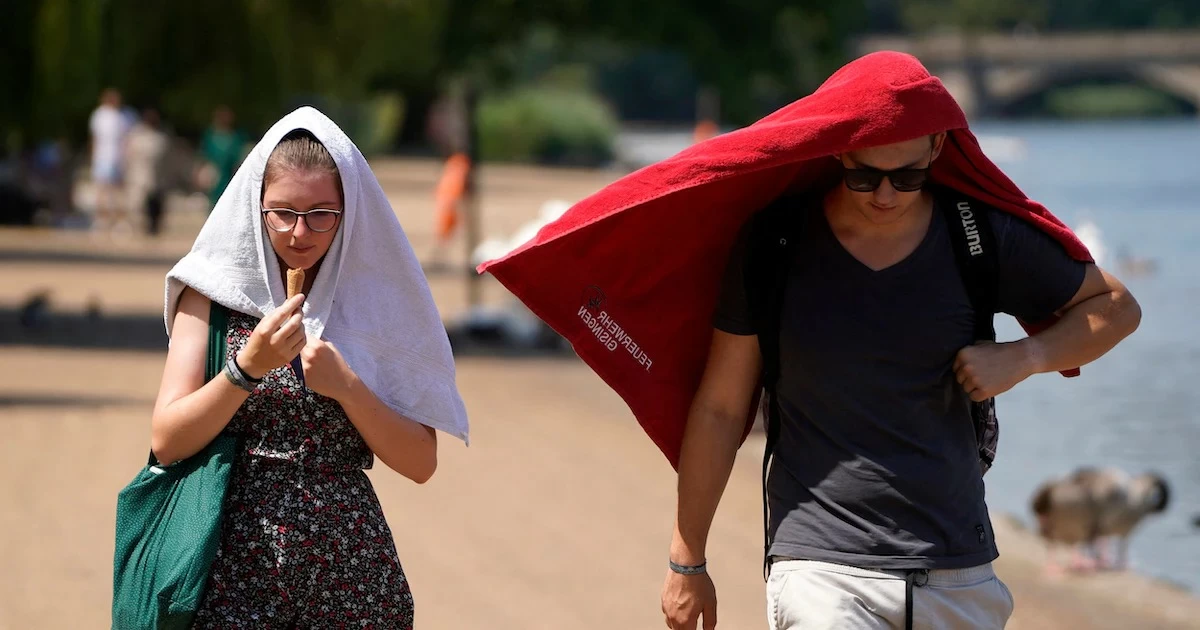
تحولت موجات الحر القياسية التي ضربت أوروبا خلال صيف 2026 إلى أزمة صحية متصاعدة، بعدما كشفت بيانات وتقديرات رسمية عن عشرات الآلاف من الوفيات الإضافية المرتبطة بارتفاع درجات الحرارة في عدد من دول القارة، مع تسجيل ألمانيا وحدها نحو 16.300 وفاة خلال أشهر الصيف.
وأفادت صحيفة «إلبيريوديكو» الإسبانية، استنادًا إلى أحدث بيانات معهد روبرت كوخ للصحة العامة، بأن نحو 16.300 وفاة إضافية ارتبطت بموجات الحر في ألمانيا خلال الفترة من الأول من يونيو وحتى 23 أغسطس، في حصيلة قياسية منذ بدء تسجيل هذه البيانات.
وتتجاوز هذه الحصيلة تقديرًا سابقًا بلغ نحو 15.800 وفاة حتى 16 أغسطس، بما يشير إلى استمرار التأثير الصحي للحرارة الشديدة حتى الأسابيع الأخيرة من الصيف.
وكان الأشخاص الذين تزيد أعمارهم على 75 عامًا الأكثر تضررًا من موجات الحر في ألمانيا، فيما شهدت البلاد واحدة من أشد فترات ارتفاع درجات الحرارة خلال الأسبوع الممتد من 22 إلى 28 يونيو، عندما سُجلت نحو 9.600 وفاة إضافية في أسبوع واحد.
وتجاوزت درجات الحرارة في بعض المناطق الألمانية خلال تلك الفترة 41 درجة مئوية، في موجة حر رفعت المخاطر الصحية، خصوصًا بين كبار السن والأشخاص الذين يعانون من أمراض مزمنة أو ظروف صحية تجعلهم أكثر عرضة لتداعيات الحرارة الشديدة.
وفي بلجيكا، كشفت السلطات الصحية تسجيل نحو 2.935 وفاة إضافية خلال موجات الحر المتتالية منذ يونيو، بالتزامن مع إعلان البلاد تسجيل صيف 2026 كأكثر صيف حرارة منذ بدء توثيق البيانات المناخية.
وسجلت بلجيكا 2.035 وفاة إضافية خلال الفترة من 18 يونيو إلى 3 يوليو، عندما ارتفع معدل الوفيات بنحو 49% مقارنة بالمستويات المعتادة، فيما شهدت الفترة الممتدة من 4 إلى 17 يوليو تسجيل 535 وفاة إضافية.
وخلال موجة الحر الثالثة، التي استمرت من 28 يوليو إلى 16 أغسطس، سُجلت نحو 365 وفاة إضافية، بزيادة بلغت 7% مقارنة بالمعدلات الطبيعية.
وسجلت محطة أوكل المرجعية بالقرب من العاصمة بروكسل متوسط حرارة بلغ 20.3 درجة مئوية خلال صيف 2026، أي أعلى بنحو 2.4 درجة مئوية من متوسط درجات الحرارة المسجل خلال العقود الماضية.
ولم تقتصر تداعيات الحرارة القياسية في بلجيكا على ارتفاع الوفيات، إذ تزامنت الموجة الثالثة مع اندلاع أكبر حريق غابات تشهده البلاد في تاريخها الحديث، في مشهد سلط الضوء على الترابط بين ارتفاع درجات الحرارة والجفاف وزيادة مخاطر اندلاع الحرائق وانتشارها.
وتأتي الأرقام المسجلة في ألمانيا وبلجيكا ضمن تداعيات أوسع لموجات الحر في أنحاء أوروبا، إذ تشير البيانات والتقديرات المتاحة إلى تجاوز عدد الوفيات الإضافية المرتبطة بالحرارة 35 ألف حالة خلال صيف 2026.
وفي إسبانيا، اقترب عدد الوفيات المرتبطة بالحر منذ بداية يونيو من 4.500 حالة، بينما تجاوزت الوفيات الإضافية المسجلة في فرنسا خلال الفترة نفسها 7.300 حالة، وفق البيانات والتقديرات المتاحة.
وتتسبب الحرارة الشديدة في إجهاد الجسم، وقد تؤدي إلى الجفاف وضربات الشمس واضطرابات الدورة الدموية، كما يمكن أن تؤدي إلى تفاقم أمراض القلب والجهاز التنفسي والكلى، خصوصًا عندما تستمر درجات الحرارة المرتفعة لعدة أيام متتالية أو تترافق مع ارتفاع درجات الحرارة ليلًا.
The record heatwaves that hit Europe during the summer of 2026 turned into a growing health crisis, as official data and estimates revealed tens of thousands of additional deaths linked to rising temperatures in several countries across the continent, with Germany alone recording about 16,300 deaths during the summer months.
The Spanish newspaper "El Periódico" reported, based on the latest data from the Robert Koch Institute for Public Health, that around 16,300 additional deaths were associated with heatwaves in Germany from June 1 to August 23, marking a record high since the start of these data recordings.
This toll exceeds a previous estimate of about 15,800 deaths up to August 16, indicating that the health impact of extreme heat continued into the last weeks of summer.
People over the age of 75 were the most affected by the heatwaves in Germany, while the country experienced one of the most severe periods of rising temperatures during the week from June 22 to June 28, when approximately 9,600 additional deaths were recorded in just one week.
Temperatures in some German regions exceeded 41 degrees Celsius during that period, in a heatwave that raised health risks, especially among the elderly and individuals with chronic illnesses or health conditions that make them more susceptible to the effects of extreme heat.
In Belgium, health authorities reported about 2,935 additional deaths during the consecutive heatwaves since June, coinciding with the announcement that the country recorded the summer of 2026 as the hottest summer since climate data documentation began.
Belgium recorded 2,035 additional deaths from June 18 to July 3, when the mortality rate increased by about 49% compared to usual levels, while the period from July 4 to July 17 saw an additional 535 deaths.
During the third heatwave, which lasted from July 28 to August 16, about 365 additional deaths were recorded, an increase of 7% compared to normal rates.
The reference station in Uccle near the capital Brussels recorded an average temperature of 20.3 degrees Celsius during the summer of 2026, which is about 2.4 degrees Celsius higher than the average temperatures recorded over the past decades.
The impacts of the record heat in Belgium were not limited to increased mortality, as the third wave coincided with the outbreak of the largest forest fire the country has seen in its modern history, highlighting the connection between rising temperatures, drought, and increased risks of fire outbreaks and spread.
The recorded figures in Germany and Belgium are part of a broader impact of heatwaves across Europe, as available data and estimates indicate that the number of additional deaths linked to heat exceeded 35,000 during the summer of 2026.
In Spain, the number of heat-related deaths since the beginning of June approached 4,500 cases, while the additional deaths recorded in France during the same period exceeded 7,300 cases, according to available data and estimates.
Extreme heat causes stress on the body and can lead to dehydration, heat strokes, and circulatory disorders, as well as exacerbating heart, respiratory, and kidney diseases, especially when high temperatures persist for several consecutive days or are accompanied by elevated nighttime temperatures.