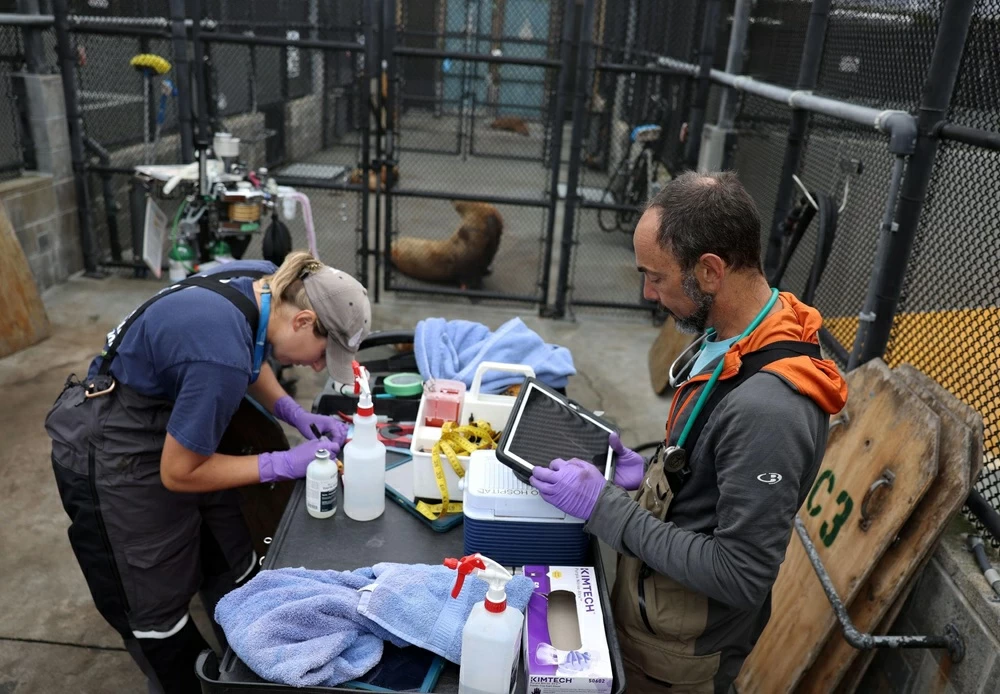
تشهد سواحل كاليفورنيا تزايدًا في أعداد أسود البحر المريضة والجانحة بسبب التسمم بحمض الدومويك، وهو سم عصبي تنتجه بعض أنواع الطحالب البحرية السامة، ويمكن أن يؤثر في الجهاز العصبي للحيوانات البحرية.
وأفاد «مركز الثدييات البحرية» الأمريكي، المتخصص في إنقاذ وإعادة تأهيل الحيوانات البحرية، بتزايد حالات التسمم بحمض الدومويك منذ بداية الصيف، مع تركز ملحوظ للحالات أخيرا في منطقة شبه جزيرة مونتيري، مشيرًا إلى أن أسود البحر هي الأكثر تضررًا، إلى جانب أنواع أخرى من الثدييات البحرية.
وينتج حمض الدومويك عن أنواع من الطحالب البحرية المجهرية، ويمكن أن يتراكم في الأسماك الصغيرة التي تتغذى عليها أسود البحر، ما يؤدي إلى انتقال السم إليها عند تناول تلك الأسماك. وقد يسبب التسمم تشنجات واضطرابات في السلوك وأضرارًا عصبية، فيما قد تؤدي الحالات الشديدة إلى نفوق الحيوانات.
وحذرت السلطات الأمريكية وخبراء الحياة البحرية من الاقتراب من الحيوانات المصابة أو محاولة لمسها، إذ قد تبدو مشوشة أو تتصرف بصورة غير معتادة. وأوصت إدارة الصحة العامة في كاليفورنيا بالابتعاد عن الثدييات البحرية مسافة لا تقل عن 150 قدمًا، والإبلاغ عن الحيوانات التي تبدو مريضة أو مصابة إلى الجهات المختصة.
وأوضحت الإدارة الوطنية للمحيطات والغلاف الجوي (NOAA) أن ازدهار الطحالب الضارة يرتبط بظروف بحرية معينة، من بينها صعود المياه العميقة الغنية بالمغذيات، ما يوفر ظروفًا ملائمة لنمو الطحالب المنتجة لحمض الدومويك.
The coasts of California are witnessing an increase in the number of sick and stranded sea lions due to domoic acid poisoning, a neurotoxin produced by certain types of harmful marine algae, which can affect the nervous system of marine animals.
The American "Marine Mammal Center," specialized in rescuing and rehabilitating marine animals, reported an increase in cases of domoic acid poisoning since the beginning of summer, with a notable concentration of cases recently in the Monterey Peninsula area, indicating that sea lions are the most affected, along with other species of marine mammals.
Domoic acid is produced by certain species of microscopic marine algae and can accumulate in small fish that sea lions feed on, leading to the transfer of the toxin to them when they consume those fish. Poisoning can cause seizures, behavioral disturbances, and neurological damage, while severe cases may lead to the death of the animals.
U.S. authorities and marine life experts have warned against approaching or attempting to touch affected animals, as they may appear disoriented or behave unusually. The California Department of Public Health recommended staying at least 150 feet away from marine mammals and reporting any animals that appear sick or injured to the appropriate authorities.
The National Oceanic and Atmospheric Administration (NOAA) explained that harmful algal blooms are linked to certain marine conditions, including the upwelling of nutrient-rich deep waters, which provides favorable conditions for the growth of algae that produce domoic acid.