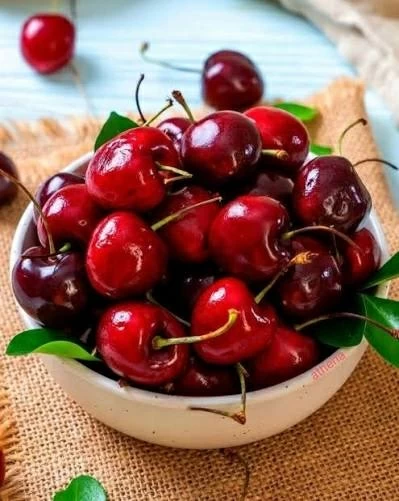
في كشف طبي مثير قد يغير قواعد اللعبة ضد أشد الأورام شراسة، فجر فريق أبحاث من جامعة تكساس الأمريكية مفاجأة غير متوقعة بعدما كشفوا قدرة غير مسبوقة لفاكهة الكرز الحلو الداكن في تحجيم وشل حركة أكثر أنواع سرطان الثدي عدوانية.
خبايا هذا الكشف العلمي تكمن في سر طبيعي صغير يسمى «الأنثوسيانين»، وهي الأصباغ النباتية التي تمنح الكرز لونه الداكن الشهير.
والسرطان المعني هنا ليس نوعاً عادياً، بل هو «سرطان الثدي ثلاثي السلبية»، الشبح الأشد خطورة الذي يفتقر لمستقبلات الهرمونات التقليدية، مما يجعله مقاوماً للعلاجات المعروفة وسريع الانقشار نحو أعضاء حيوية مثل الرئتين والدماغ.
وأوضحت الدكتورة جوليانا نوراتو الباحثة في علوم وتكنولوجيا الأغذية بالجامعة، أن مركبات «الأنثوسيانين» تعمل مثل كوابح مفاجئة للمرض، حيث أظهرت التجارب أن حقن مستخلصات هذه المادة أدى إلى:
- إبطاء نمو الخلايا السرطانية ومنع انقسامها السريع.
- كسر مقاومة الورم للعلاج وتقليل فرصة انتشاره في الجسم.
- تدمير الخلية المريضة دون تسجيل أي آثار جانبية على الخلايا السليمة.
هذا الاكتشاف لا يعني الاستغناء عن الطب التقليدي، بل يفتح الباب أمام العلماء لتطوير علاجات طبيعية داعمة تقلل من خطورة عودة المرض الشرس، وتمنح مريضات السرطان أملاً جديداً في رحلة العلاج.
In a groundbreaking medical discovery that could change the game against the most aggressive tumors, a research team from the University of Texas has revealed an unprecedented ability of dark sweet cherries to shrink and immobilize the most aggressive types of breast cancer.
The secrets of this scientific revelation lie in a small natural compound called "anthocyanins," which are the plant pigments that give cherries their famous dark color.
The cancer in question is not an ordinary type; it is "triple-negative breast cancer," the most dangerous specter that lacks traditional hormone receptors, making it resistant to known treatments and rapidly metastasizing to vital organs such as the lungs and brain.
Dr. Juliana Norato, a researcher in Food Science and Technology at the university, explained that "anthocyanin" compounds act like sudden inhibitors of the disease, as experiments have shown that injecting extracts of this substance led to:
- Slowing the growth of cancer cells and preventing their rapid division.
- Breaking the tumor's resistance to treatment and reducing the chance of its spread in the body.
- Destroying the sick cell without recording any side effects on healthy cells.
This discovery does not mean abandoning traditional medicine, but rather opens the door for scientists to develop supportive natural treatments that reduce the risk of the fierce disease returning, providing cancer patients with new hope in their treatment journey.