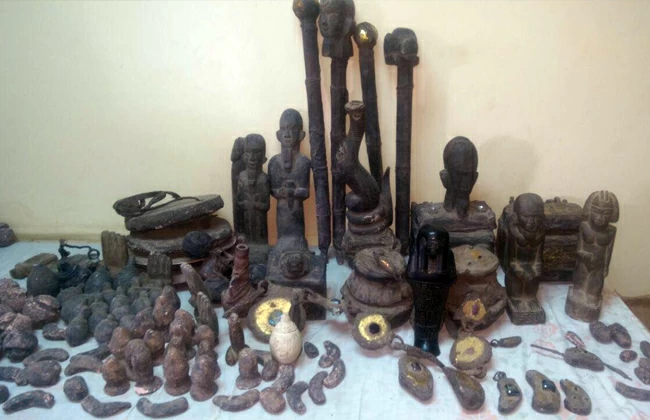
ذكرت صحيفة نيويورك تايمز أن السلطات الأمريكية صادرت أكثر من 22 ألف قطعة أثرية قديمة من مختلف أنحاء العالم، يعود تاريخ بعضها إلى خمسة آلاف عام، في فلوريدا في إطار جهودها لتفكيك شبكات إجرامية متورطة في تهريب الممتلكات الثقافية.
أكبر عمليات الضبط
وأوضحت وكالة إنفاذ قوانين الهجرة والجمارك الأمريكية، في بيان لها أخيراً، أن القطع تشمل مزهريات وأسلحة ومجوهرات وإطارات صور فسيفسائية. وأشارت الوكالة إلى أن هذه العملية تُعد من أكبر عمليات الضبط التي نفذتها وحدة تحقيقات الأمن الداخلي التابعة لها.
وقال البيان: «القطع تشمل أيضاً تماثيل مصرية وأوانٍ زجاجية بيزنطية، إضافة إلى عملات يونانية ورومانية قديمة».
قضية فريدة من نوعها
وذكرت كبيرة المستشارين في برنامج الممتلكات الثقافية والفنون والآثار التابع للوحدة ماري كوك، في بيان: «إن القطع الأثرية التي ثبتت أصالتها في هذه القضية ستكون فريدة من نوعها، وترغب وحدة تحقيقات الأمن الداخلي في اتخاذ جميع الخطوات اللازمة لضمان الحفاظ على تاريخ هذه الحضارة للأجيال القادمة».
ووفقًا لإدارة الهجرة والجمارك الأمريكية، تشير التقييمات الأولية إلى أن بعض القطع قد تعود إلى حضارات عاشت قبل ما بين 1000 و5000 عام، وأنها عُثر عليها في مواقع في أوروبا وأفريقيا وشرق البحر الأبيض المتوسط، حسبما أوردت الصحيفة الأمريكية.
تحديد هوية القطع
ولم تُفصح السلطات عن مكان أو زمان استعادة القطع، ولم تُقدم أي تفاصيل حول أي اعتقالات أو اتهامات. ولم ترد إدارة الهجرة والجمارك الأمريكية على استفسار وُجه إليها بشأن هذا الأمر.
وأشارت الوكالة إلى أن تحديد هوية القطع الأثرية سيستغرق وقتًا، لأنه «على عكس المخدرات، لا يوجد فحص ميداني للآثار». وأضافت الوكالة أن المسؤولين سيتعاونون مع خبراء من جامعات للمساعدة في تحديد هوية القطع والتحقق من أصالتها. ومن بين هذه الجامعات جامعة جنوب فلوريدا وجامعة بنسلفانيا.
The New York Times reported that U.S. authorities have seized more than 22,000 ancient artifacts from various parts of the world, some of which date back five thousand years, in Florida as part of their efforts to dismantle criminal networks involved in trafficking cultural property.
Largest Seizures
The U.S. Immigration and Customs Enforcement agency clarified in a recent statement that the items include vases, weapons, jewelry, and mosaic picture frames. The agency noted that this operation is considered one of the largest seizures conducted by its Homeland Security Investigations unit.
The statement said: "The items also include Egyptian statues and Byzantine glassware, in addition to ancient Greek and Roman coins."
A Unique Case
Mary Cook, the senior advisor for the Cultural Property, Arts, and Antiquities Program at the unit, stated in a statement: "The artifacts that have been authenticated in this case will be unique, and the Homeland Security Investigations unit wishes to take all necessary steps to ensure the preservation of the history of this civilization for future generations."
According to U.S. Immigration and Customs Enforcement, preliminary assessments indicate that some of the items may date back to civilizations that existed between 1,000 and 5,000 years ago, and they were found in locations in Europe, Africa, and the Eastern Mediterranean, as reported by the American newspaper.
Identification of the Items
The authorities did not disclose the location or time of the recovery of the items, nor did they provide any details regarding any arrests or charges. The U.S. Immigration and Customs Enforcement did not respond to an inquiry directed to them regarding this matter.
The agency indicated that identifying the artifacts will take time, as "unlike drugs, there is no field testing for antiquities." The agency added that officials will collaborate with experts from universities to assist in identifying the items and verifying their authenticity. Among these universities are the University of South Florida and the University of Pennsylvania.