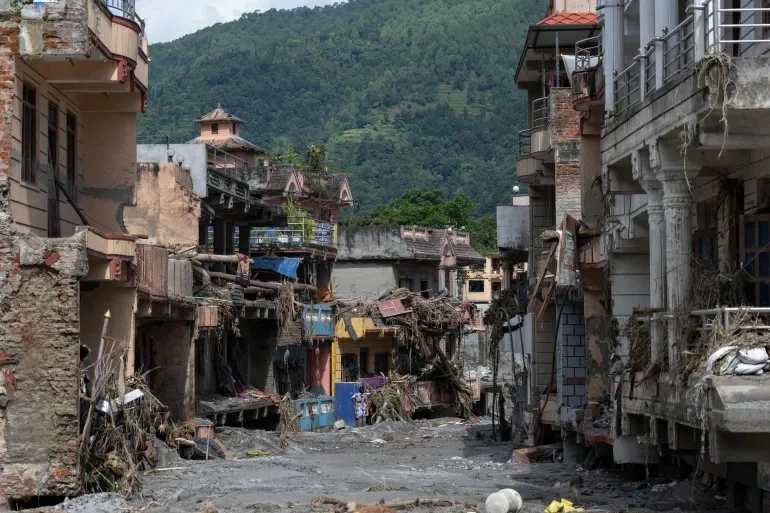
واصل حصيلة كارثة الفيضانات التي ضربت النيبال على الحدود مع الصين الارتفاع بوتيرة مقلقة، إذ أعلنت الهيئة الوطنية لإدارة حالات الطوارئ، الاثنين، أن عدد القتلى بلغ 903 أشخاص، فيما لا يزال أكثر من 4247 في عداد المفقودين منذ وقوع السيول العارمة الأربعاء الماضي. وعلى الجانب الصيني، أفادت وسائل الإعلام الرسمية بسقوط 16 قتيلًا و546 مفقودًا، لترتفع الحصيلة الإجمالية المؤقتة إلى 919 ضحية ونحو 4793 مفقودًا.
وتكشف البيانات الرسمية في النيبال عن أزمة إضافية تتمثل في اعتقاد السلطات بأن ما لا يقل عن 933 عاملاً محاصرون داخل ستة مشروعات للطاقة الكهرومائية، بعدما اجتاحت الفيضانات مواقع العمل في المناطق الجبلية. وفي تطور موازٍ، أعلنت سلطات ولاية أوتار براديش الهندية انتشال 17 جثة يُرجّح أنها تعود لضحايا الكارثة، ويجري العمل على مطابقة هوياتهم مع السجلات النيبالية، خصوصًا أن نحو 270 شخصًا من العاملين والسكان المحليين ما زالوا خارج نطاق الإحصاءات الرسمية ويُعتقد أنهم ضمن المفقودين.
وتخوض فرق الإنقاذ في النيبال والصين سباقًا مع الزمن للعثور على آلاف الأشخاص الذين ابتلعتهم السيول الجارفة في جبال الهيمالايا، وسط ارتفاع خطير في منسوب الأنهر وتشكّل بحيرة جديدة تعيق عمليات البحث. وبدأت السلطات النيبالية، الأحد، تنفيذ المهمة الشاقة المتمثلة في دفن مئات الجثث التي جرى انتشالها، بعد أخذ عينات الحمض النووي منها لضمان إمكانية تسليمها إلى ذويها لاحقًا وإقامة مراسم الدفن التقليدية.
وفي قراءة علمية أولية، أوضحت هيئة المسح الجيولوجي الأمريكية أن الكارثة نجمت عن انهيار كتلة جليدية ضخمة أدت إلى اندفاع سيل هائل في مجرى نهر تريشولي نحو المناطق الواقعة أسفله، وهو ما تسبب في موجة فيضانات مفاجئة اكتسحت القرى والطرق والبنى التحتية في واحدة من أعنف الكوارث الطبيعية التي تشهدها المنطقة خلال السنوات الأخيرة.
The toll from the flooding disaster that struck Nepal on the border with China continues to rise at an alarming rate, as the National Emergency Management Agency announced on Monday that the death toll has reached 903 people, while more than 4,247 are still missing since the heavy rains began last Wednesday. On the Chinese side, state media reported 16 deaths and 546 missing, bringing the preliminary total toll to 919 victims and about 4,793 missing.
Official data in Nepal reveals an additional crisis, as authorities believe that at least 933 workers are trapped inside six hydropower projects after the floods swept through work sites in the mountainous areas. In a parallel development, authorities in the Indian state of Uttar Pradesh announced the recovery of 17 bodies believed to belong to disaster victims, and efforts are underway to match their identities with Nepalese records, especially since around 270 workers and local residents are still unaccounted for and are believed to be among the missing.
Rescue teams in Nepal and China are racing against time to find thousands of people who were swallowed by the raging floods in the Himalayas, amid a dangerous rise in river levels and the formation of a new lake that hinders search operations. The Nepalese authorities began on Sunday the arduous task of burying hundreds of bodies that have been recovered, after taking DNA samples from them to ensure they can be returned to their families later for traditional burial ceremonies.
In a preliminary scientific assessment, the U.S. Geological Survey explained that the disaster was caused by the collapse of a massive glacier, which led to a huge surge of water in the Trishuli River towards the areas downstream, resulting in a sudden wave of flooding that swept through villages, roads, and infrastructure in one of the most severe natural disasters the region has witnessed in recent years.