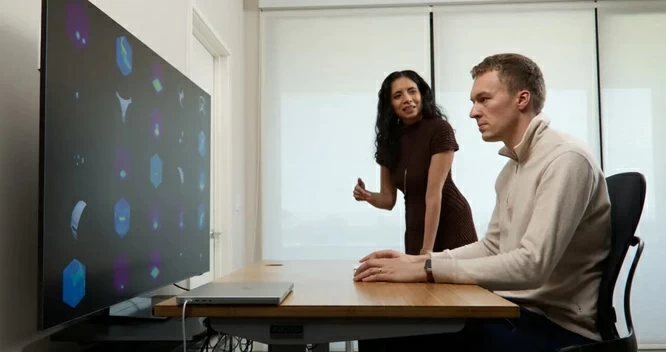
في قرار جريء يعكس رهاناً مختلفاً على مستقبل التكنولوجيا، رفض باحثان بارزان في الذكاء الاصطناعي عرضاً استثمارياً مغرياً للانضمام إلى مشروع «بروميثيوس» المدعوم من مؤسس أمازون الملياردير جيف بيزوس، وفضّلا تأسيس شركتهما الخاصة لتطوير نظام ذكاء اصطناعي ثوري يبتعد عن تقليد روبوتات المحادثة مثل «شات جي بي تي»، ويركز على محاكاة قوانين الفيزياء وتطورها عبر الزمن.
وكشفت الوثائق وسجلات اللقاءات عن العرض الضخم الذي قدّمه المستثمر فيك باجاج بالشراكة مع جيف بيزوس للزوجين الدكتورة أنيما أناندكومار وزوجها بنديكت ينيك للالتحاق بمشروع «بروميثيوس»:
- حصة وراتب استثنائي: تضمن العرض منح الزوجين حصة 35% من المشروع، وراتباً سنوياً مشتركاً يصل إلى مليوني دولار بعد أول ثلاثة أشهر.
- تمويل بالمليارات: كان المشروع يستند إلى جولات تمويل ملتزم بها تتجاوز ملياري دولار، قبل أن يجمع المشروع لاحقاً 12 مليار دولار في يونيو 2026.
- القرار الاستقلالي: فضّل الباحثان التمسك بشركتهما «Accelerated Understanding» لتطوير رؤيتهما المستقلة القائمة على محاكاة الطبيعة بدلاً من النصوص.
وبينما تعتمد النماذج اللغوية (مثل غوغل وأنثروبيك) على التنبؤ بالكلمة التالية في النص، يعتمد النموذج الجديد على تقنية «المشغلات العصبية» (Neural Operators) لمعالجة العالم الفيزيائي:
- قدرة استيعاب خيالية: نجح النموذج في اختباراته الأولى في معالجة 5 تريليونات عنصر بيانات ضمن طلب واحد، وهو رقم يزيد بنحو 5 ملايين مرة عن طاقة النماذج اللغوية التقليدية.
- أبعاد مكانية وزمنية: يتعامل النظام مع البيانات الممتدة عبر 3 أبعاد مكانية بالإضافة إلى بُعد زمني، لتوقع كيفية تغير الأنظمة الفيزيائية وتطورها.
- الذكاء المتمحور حول الطبيعة: أوضحت أناندكومار (الأستاذة في معهد كالتيك) أن النظر للذكاء عبر اللغة يضع الإنسان في المركز، بينما وضع الفيزياء في المركز يجعل التكنولوجيا تتمحور حول الطبيعة وقوانينها.
وتستهدف الشركة توظيف نموذجها في القطاعات الصناعية والهندسية الكبرى بدلاً من إطلاق برنامج محادثة للمستخدم العادي:
- تصميم الرقائق الإلكترونية: تحسين المواد والمؤثرات الحرارية لتقليل التجارب المعملية المكلفة.
- التنبؤ بالمناخ والطقس: محاكاة الظواهر الجوية المتطرفة وديناميكا السوائل والحرارة.
- الروبوتات والطاقة: تحليل البيانات الجيولوجية واستكشاف مواد جديدة لقطاعات الطاقة والصناعات المعقدة.
In a bold decision that reflects a different bet on the future of technology, two prominent artificial intelligence researchers rejected a tempting investment offer to join the "Prometheus" project backed by Amazon founder billionaire Jeff Bezos, and preferred to establish their own company to develop a revolutionary artificial intelligence system that moves away from mimicking chatbots like "ChatGPT," focusing instead on simulating the laws of physics and their evolution over time.
Documents and meeting records revealed the massive offer made by investor Vik Bajaj in partnership with Jeff Bezos to the couple, Dr. Anima Anandkumar and her husband Benedict Yenik, to join the "Prometheus" project:
- Exceptional equity and salary: The offer included granting the couple a 35% stake in the project, along with a combined annual salary of up to two million dollars after the first three months.
- Billion-dollar funding: The project was based on committed funding rounds exceeding two billion dollars, before the project later raised 12 billion dollars in June 2026.
- Independent decision: The researchers preferred to stick with their company "Accelerated Understanding" to develop their independent vision based on simulating nature rather than texts.
While language models (like Google and Anthropic) rely on predicting the next word in the text, the new model relies on "Neural Operators" technology to process the physical world:
- Impressive capacity: The model succeeded in its initial tests by processing 5 trillion data elements within a single request, a figure that is about 5 million times greater than the capacity of traditional language models.
- Spatial and temporal dimensions: The system handles data extending across 3 spatial dimensions in addition to a temporal dimension, to predict how physical systems change and evolve.
- Nature-centered intelligence: Anandkumar (a professor at Caltech) explained that viewing intelligence through language places humans at the center, while placing physics at the center makes technology revolve around nature and its laws.
The company aims to employ its model in major industrial and engineering sectors instead of launching a chat program for the average user:
- Electronic chip design: Improving materials and thermal effects to reduce costly laboratory experiments.
- Climate and weather prediction: Simulating extreme weather phenomena and fluid dynamics and thermodynamics.
- Robotics and energy: Analyzing geological data and exploring new materials for the energy and complex industries sectors.