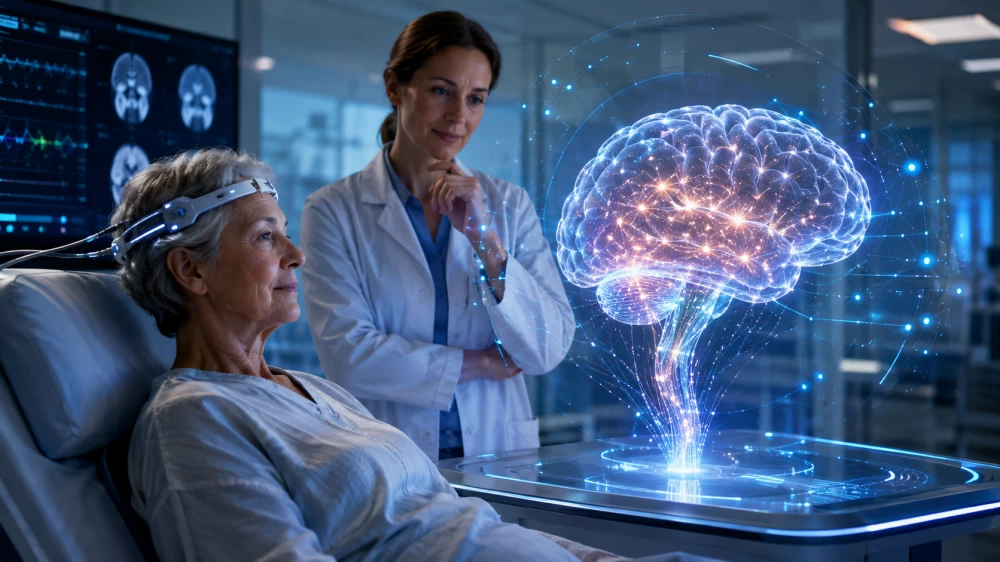
طوّر فريق من الباحثين في جامعة بنسلفانيا الأمريكية جهازاً جديداً لعلاج فقدان الذاكرة الناتج عن إصابات الدماغ الرضّية، يعتمد على تقنيات الذكاء الاصطناعي لتحليل النشاط الدماغي وتقديم دفعات من التحفيز العصبي للمرضى الذين يعانون من اضطرابات الذاكرة.
تصنيف «جهاز رائد»
ومنحت إدارة الغذاء والدواء الأمريكية (FDA) نظام التحفيز العصبي الذكي (SNS)، وهو علاج قابل للزرع في الدماغ طوّره مايكل كاهانا وزملاؤه من خلال شركتهم المنبثقة عن جامعة بنسلفانيا «Nia Therapeutics»، تصنيف «جهاز رائد».
ويُعد نظام «SNS» أول جهاز من شركة «Nia» يحصل على هذا التصنيف لعلاج فقدان الذاكرة الناتج عن إصابات الدماغ الرضّية.
وقال كاهانا، في بيان نُشر الجمعة، إن الشركة تستعد لبدء التجارب السريرية خلال عام 2027.
من الخيال العلمي إلى التطبيق
وأوضح دانيال ريزوتو، الذي درس على يد كاهانا وشاركه تأسيس شركة «Nia Therapeutics»، أن بعض الأشخاص ينظرون إلى هذه التقنية باعتبارها أقرب إلى الخيال العلمي.
وقال: «يبدو الأمر خيالاً علمياً بالفعل، لكنني ومايك حوّلنا هذه التقنية من خيال علمي إلى حقيقة علمية»، مشيراً إلى نشر العديد من الأبحاث المُحكّمة التي أظهرت القدرة على تحسين الذاكرة اللفظية لدى الإنسان باستخدام هذا النهج.
بداية الفكرة
وتعود جذور المشروع إلى أواخر تسعينات القرن الماضي، حين كان كاهانا يطوّر نماذج حاسوبية للذاكرة البشرية، قبل أن يدعوه صديق يعمل جراحاً للأعصاب إلى كلية الطب في جامعة هارفارد لإلقاء محاضرة أمام أعضاء هيئة التدريس في قسمي جراحة الأعصاب وعلم الأعصاب.
وخلال جولة في الطابق التاسع من مستشفى بوسطن للأطفال، شاهد كاهانا مرضى يعانون من الصرع المقاوم للأدوية يخضعون لمراقبة استمرت أسبوعاً باستخدام أقطاب كهربائية مزروعة، بهدف المساعدة في التخطيط لجراحة محتملة.
ولاحظ آنذاك مريضاً مراهقاً يلعب لعبة فيديو في الوقت الذي كان فيه نظام التسجيل يجمع كميات هائلة من البيانات، لم يكن يُستفاد إلا من جزء صغير منها لرسم خرائط النوبات، فيما كانت بقية البيانات تُحذف يومياً بسبب محدودية إمكانات التخزين.
ووصف كاهانا، تلك اللحظة بأنها «أهم لحظة مهنية» في حياته، إذ شكّلت بداية مسار بحثي امتد لعقود وأفضى إلى إدراك إمكانية التنبؤ باللحظات التي يتذكر فيها الإنسان أو ينسى.
الذكاء الاصطناعي وتحليل النشاط العصبي
ومع تطور تقنيات الذكاء الاصطناعي والتعلّم الآلي، توسعت المناهج الحسابية المستخدمة في تحليل البيانات العصبية، وأصبحت أكثر قدرة على فهم كيفية ارتباط الأنماط المعقدة للنشاط الدماغي بالاستجابات السلوكية.
وقال كاهانا إن لحظة التحول جاءت عندما أدرك فريقه أن جانباً كبيراً من الاختلاف في تأثيرات التحفيز العصبي يمكن تفسيره من خلال هذه الأنماط.
نتائج بحثية واعدة
تعاون كاهانا وريزوتو في جامعة بنسلفانيا عام 2014 لإطلاق مشروع بحثي «لاستعادة الذاكرة النشطة». وكانت النتائج واعدة. فعلى سبيل المثال أفاد كاهانا وريزوتو، من خلال دراسة مُحكّمة نُشرت في يناير 2023، أن جهازهما قادر على تحسين الذاكرة بنسبة 19 في المائة تقريباً لدى المرضى الذين لديهم تاريخ من إصابات الدماغ الرضية المتوسطة إلى الشديدة. وفي دراسة لاحقة نُشرت عام 2024 أظهرا قدرتهما على تحسين الذاكرة بنسبة 28 في المائة لدى مرضى الصرع الذين زُرعت لديهم أقطاب كهربائية بالقرب من مسارات المادة البيضاء.
وقال ريزوتو إن بروتوكول العلاج حسّن ذاكرة المرضى بالمقدار نفسه تقريباً الذي كان متوقعاً أن تتراجع به نتيجة إصاباتهم الدماغية.
علاج ومصدر للبيانات
وأكد كاهانا أن أهمية الجهاز لا تقتصر على دوره العلاجي، بل تمتد إلى كونه نظاماً لجمع بيانات الدماغ البشري.
وأوضح أن الجهاز يمكن أن يخزن كميات من البيانات العصبية تفوق بكثير ما تمكن من جمعه خلال عقود من البحث على مرضى جراحة الأعصاب، معتبراً أن هذه البيانات قد تقود مستقبلاً إلى تطورات علمية وعلاجية واسعة.
A team of researchers at the University of Pennsylvania has developed a new device to treat memory loss resulting from traumatic brain injuries, relying on artificial intelligence techniques to analyze brain activity and provide bursts of neural stimulation to patients suffering from memory disorders.
Classification as a "Breakthrough Device"
The U.S. Food and Drug Administration (FDA) has granted the Smart Neural Stimulation (SNS) system, an implantable brain treatment developed by Michael Kahana and his colleagues through their University of Pennsylvania spin-off company "Nia Therapeutics," the classification of "Breakthrough Device."
The SNS system is the first device from Nia to receive this classification for treating memory loss resulting from traumatic brain injuries.
Kahana stated in a press release published on Friday that the company is preparing to begin clinical trials in 2027.
From Science Fiction to Application
Daniel Risotto, who studied under Kahana and co-founded Nia Therapeutics, explained that some people view this technology as closer to science fiction.
He said, "It does seem like science fiction, but Mike and I have turned this technology from science fiction into scientific reality," referring to the publication of several peer-reviewed studies that demonstrated the ability to improve human verbal memory using this approach.
The Beginning of the Idea
The roots of the project date back to the late 1990s when Kahana was developing computational models of human memory, before a friend who was a neurosurgeon invited him to the Harvard Medical School to give a lecture to faculty members in the departments of neurosurgery and neuroscience.
During a tour on the ninth floor of Boston Children's Hospital, Kahana observed patients suffering from drug-resistant epilepsy undergoing a week-long monitoring using implanted electrodes, aimed at assisting in planning for potential surgery.
He noticed a teenage patient playing a video game while the recording system was collecting vast amounts of data, of which only a small portion was utilized to map seizures, while the rest of the data was deleted daily due to limited storage capabilities.
Kahana described that moment as "the most important professional moment" of his life, as it marked the beginning of a research path that extended for decades and led to the realization of the potential to predict the moments when a person remembers or forgets.
Artificial Intelligence and Neural Activity Analysis
As artificial intelligence and machine learning techniques evolved, the computational approaches used to analyze neural data expanded and became more capable of understanding how complex patterns of brain activity relate to behavioral responses.
Kahana stated that the turning point came when his team realized that a significant portion of the variation in the effects of neural stimulation could be explained by these patterns.
Promising Research Results
Kahana and Risotto collaborated at the University of Pennsylvania in 2014 to launch a research project "to restore active memory." The results were promising. For example, Kahana and Risotto reported in a peer-reviewed study published in January 2023 that their device was capable of improving memory by approximately 19 percent in patients with a history of moderate to severe traumatic brain injuries. In a subsequent study published in 2024, they demonstrated their ability to improve memory by 28 percent in epilepsy patients who had electrodes implanted near white matter pathways.
Risotto stated that the treatment protocol improved patients' memory by nearly the same amount that was expected to decline due to their brain injuries.
Treatment and Data Source
Kahana emphasized that the importance of the device is not limited to its therapeutic role, but extends to being a system for collecting human brain data.
He explained that the device can store amounts of neural data far exceeding what has been collected over decades of research on neurosurgery patients, considering that this data may lead to significant scientific and therapeutic developments in the future.