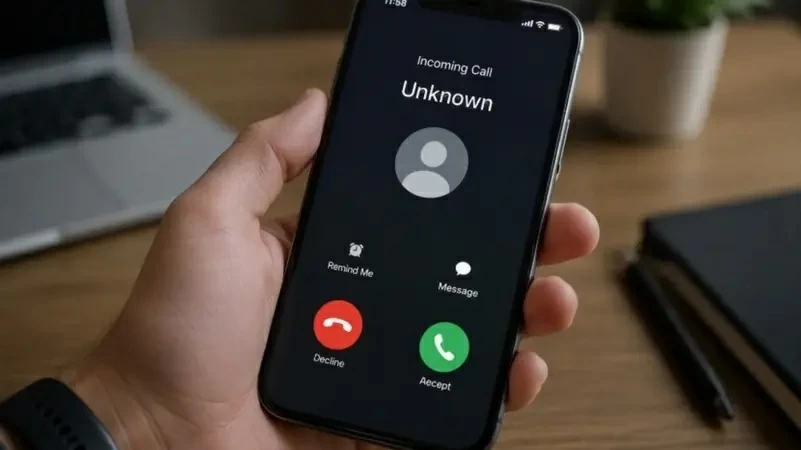
شغلت الملايين مخاوف أمنية متزايدة حول إمكانية اختراق الهاتف الجوال وبث برمجيات خبيثة فيه بمجرد الرد على رنة من رقم مجهول. ولكن، هل يمكن للرد الهاتفي وحده أن يسلبك بياناتك وحساباتك المصرفية؟
أكد خبراء الأمن السيبراني أن مجرد رفع السماعة والرد على مكالمة لا يتسبب في اختراق جهازك في الظروف العادية، إلا أن الخطورة الحقيقية تبدأ من «الهندسة الاجتماعية» والحيل النفسية التي يمارسها المتصل لدفعك نحو الكارثة.
فقد يستغل المحتالون تقنيات متطورة مثل «انتحال هوية المتصل» لإظهار أرقام بنوك أو جهات رسمية على شاشتك، لإقناعك بالقيام بخطوة إضافية تفتح لهم باب الوصول لجهازك، كإملاء رموز التحقق السرية (OTP)، أو مشاركة أرقام البطاقات، أو الضغط على رابط خبيث يصلك أثناء المكالمة.
ولا تقتصر الحيل على الخداع اللفظي، بل تمتد لما يُعرف باحتيال «الرنة الواحدة»، حيث يترك المحتال رنة سريعة لدفع الضحية إلى إعادة الاتصال بأرقام دولية مدفوعة تفرغ رصيده المالي.
كما تحذر لجنة التجارة الفيدرالية من المكالمات الصامتة التي تُستخدم لجمع البيانات والتأكد من نشاط الخط تمهيداً لاستهدافه برسائل تصيد أكثر خطورة، مشددة على ضرورة إنهاء أي مكالمة مشبوهة والتواصل فوراً مع الجهات الرسمية عبر قنواتها المعتمدة.
Millions have been preoccupied with increasing security concerns about the possibility of mobile phone hacking and the broadcasting of malicious software simply by answering a call from an unknown number. But can answering a phone call alone strip you of your data and bank accounts?
Cybersecurity experts have confirmed that simply picking up the phone and answering a call does not lead to your device being hacked under normal circumstances. However, the real danger begins with "social engineering" and the psychological tricks employed by the caller to push you towards disaster.
Fraudsters may exploit advanced techniques such as "caller ID spoofing" to display bank numbers or official entities on your screen, convincing you to take an additional step that opens the door for them to access your device, such as providing one-time passwords (OTP), sharing card numbers, or clicking on a malicious link sent during the call.
The tricks are not limited to verbal deception; they extend to what is known as "one-ring fraud," where the scammer leaves a quick ring to prompt the victim to call back international premium numbers that drain their financial balance.
The Federal Trade Commission also warns against silent calls used to collect data and confirm line activity in preparation for targeting it with more dangerous phishing messages, emphasizing the need to end any suspicious call and immediately contact official entities through their authorized channels.