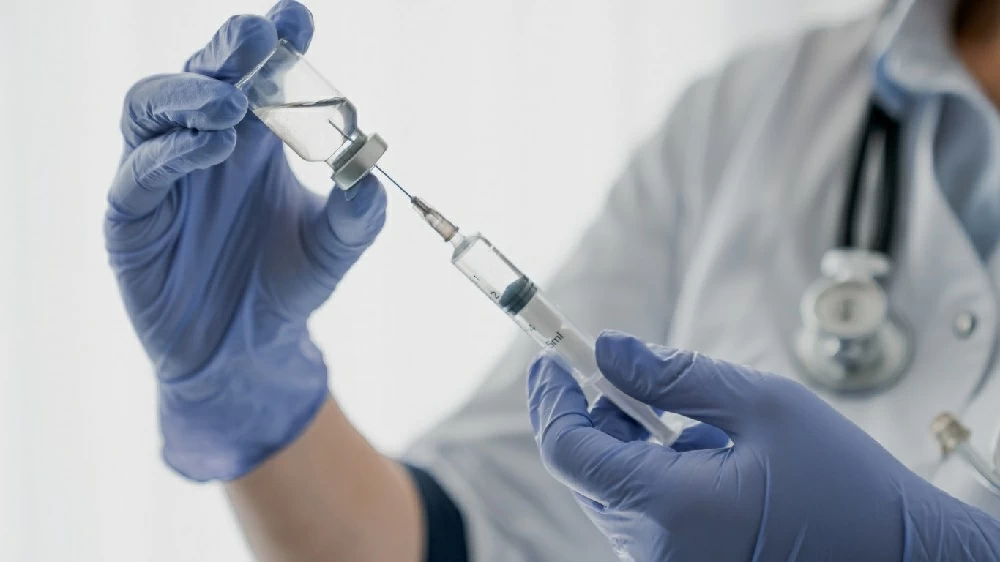
تصاعدت المواجهة القانونية في سوق أدوية السمنة داخل الولايات المتحدة، بعدما أعلنت شركة (Eli Lilly) عن رفع ست دعاوى قضائية ضد شركات ومراكز تجميل وصيدليات تُتَّهم ببيع نسخ غير مشروعة من عقارها التجريبي (ريتياتروتيد) قبل حصوله على أي موافقة تنظيمية، في خطوة تعكس حجم الفوضى التي يشهدها سوق علاجات السمنة عالميًا.
وتقول (ليلي): إن الجهات المستهدفة بالدعاوى تشمل صيدليات تُحضّر التركيبات الدوائية، ومراكز تجميل طبية، وبائعين عبر الإنترنت، روّجوا لمنتجات تحمل اسم (ريتاتروتيد)، رغم أن العقار لا يزال في المرحلة الثالثة من التجارب السريرية ولم يُعتمد للاستخدام البشري من أي جهة تنظيمية.
كبير المسؤولين الطبيين في الشركة الدكتور ديفيد هايمان، شدّد في بيان على أن ما يُباع في السوق السوداء «ليس دواءً»، مؤكدًا أنه غير موثّق وغير آمن، وأن المخاطرة باستخدامه «لا تُبرَّر بأي شكل».
وتشير (ليلي) إلى أن الطلب المتزايد على علاجات السمنة فتح الباب أمام سوق إلكترونية واسعة لمنتجات مجهولة المصدر تدّعي احتواءها على مركبات لإنقاص الوزن، بعضها يُسوَّق عبر مواقع إلكترونية ومنشورات على منصات التواصل الاجتماعي، أو عبر شركات تقدّم نفسها كمزوّدي خدمات طبية، رغم حصولها على المواد من مصانع غير خاضعة للرقابة.
وكشفت الشركة أنها أحالت أكثر من 200 فرد وكيان إلى إدارة الغذاء والدواء الأمريكية ووزارة العدل وهيئات إنفاذ القانون، مطالبةً الجهات التنظيمية وشركات الدفع الإلكتروني ومنصات التجارة والشحن باتخاذ إجراءات أكثر صرامة ضد المروّجين غير المرخصين.
وفي سياق متصل، أفادت إدارة الجمارك وحماية الحدود الأمريكية بأنها اعترضت خلال السنة المالية 2025 أكثر من 690 شحنة تضم ما يزيد على 31 ألف وحدة من أدوية GLP‑1 غير المشروعة، قبل أن تتضاعف الأرقام في يوليو لتصل إلى 1,400 شحنة تحتوي على نحو 90 ألف قارورة.
The legal confrontation in the obesity drug market within the United States has escalated after Eli Lilly announced the filing of six lawsuits against companies, beauty centers, and pharmacies accused of selling unauthorized copies of its experimental drug (retatrutide) before it received any regulatory approval, in a move that reflects the extent of the chaos currently seen in the global obesity treatment market.
Eli Lilly states that the targeted entities in the lawsuits include pharmacies that prepare pharmaceutical formulations, medical beauty centers, and online sellers who promoted products bearing the name (retatrutide), despite the fact that the drug is still in the third phase of clinical trials and has not been approved for human use by any regulatory body.
The company's chief medical officer, Dr. David Heyman, emphasized in a statement that what is being sold on the black market "is not a drug," affirming that it is unverified and unsafe, and that the risk of using it "is not justified in any way."
Eli Lilly points out that the increasing demand for obesity treatments has opened the door to a vast online market for unverified products claiming to contain weight loss compounds, some of which are marketed through websites and posts on social media platforms, or through companies presenting themselves as medical service providers, despite obtaining materials from unregulated factories.
The company revealed that it has referred more than 200 individuals and entities to the U.S. Food and Drug Administration, the Department of Justice, and law enforcement agencies, urging regulatory bodies, electronic payment companies, and trade and shipping platforms to take stricter action against unlicensed promoters.
In a related context, the U.S. Customs and Border Protection reported that during fiscal year 2025, it intercepted more than 690 shipments containing over 31,000 units of illegal GLP-1 drugs, before the numbers doubled in July to reach 1,400 shipments containing approximately 90,000 vials.
The lawsuits filed by Lilly include the following: