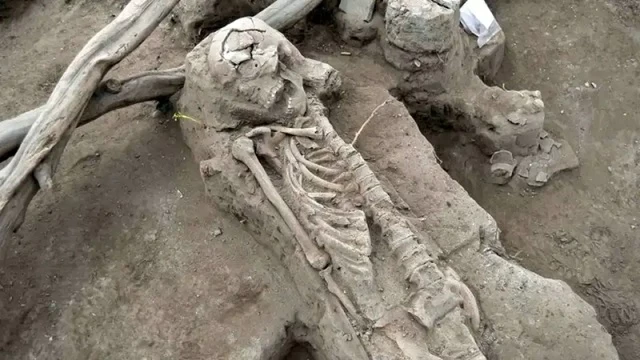
في اكتشاف أثري نادر حبس أنفاس الباحثين، أعلن علماء آثار في السويد العثور على رفات امرأة شابة حامل وجنينها داخل كهف يعود إلى العصر الحجري، ويُرجح أن عمره يناهز 9000 عام، مما يفتح باباً جديداً لفهم استيطان البشر للأرض عقب انتهاء العصر الجليدي.
جاء العثور على الرفات خلال عمليات تنقيب شاقة مستمرة منذ عام 2023 داخل كهف يقع بجزيرة صغيرة قبالة جزيرة «غوتلاند» في بحر البلطيق.
ووفقاً للباحث ألكسندر روزن سيوستراند من جامعة أوبسالا، تمكن فريق التنقيب من الوصول إلى أعمق طبقات الكهف السحيقة، ليصطدموا بمشهد مذهل لرفات امرأة شابة دُفنت في الموقع، إلى جانب جنينها الذي وُجد محفوظاً بشكل جيد للغاية داخل رحمها.
ويرجح الباحثون أن الرفات يعود إلى نحو 9 آلاف سنة استناداً إلى الطبقة الأثرية والموقع، في حين يتأهب الفريق لإخضاع العظام لفحوصات التأريخ بالكربون المشع لتحديد عمرها بدقة متناهية.
لكن مكمن الأهمية الاستثنائية لهذا الاكتشاف لا يتوقف عند البعد الإنساني، بل يمتد ليقدم دليلاً تاريخياً حاسماً على أن البشر استقروا وعاشوا فعلياً في تلك الأراضي عقب ظهورها وانحسار الجليد عنها في نهاية العصر الجليدي الأخير، ولم تكن مجرد رحلات صيد واستكشاف عابرة.
ويمنح وجود امرأة حامل في هذا الموقع النائي علماء الآثار فرصة غير سبوقة لفك أسرار حياة البشر وتنقلاتهم خلال عصر «الصيد وجمع الثمار»، وكيفية تأقلمهم مع المناطق الجديدة التي ولدت من رحم الجليد.
In a rare archaeological discovery that took researchers' breath away, archaeologists in Sweden announced the finding of the remains of a young pregnant woman and her fetus inside a cave dating back to the Stone Age, believed to be around 9,000 years old, opening a new door to understanding human settlement on Earth following the end of the Ice Age.
The remains were discovered during arduous excavation operations ongoing since 2023 inside a cave located on a small island off the coast of "Gotland" in the Baltic Sea.
According to researcher Alexander Rosen Siöstrand from Uppsala University, the excavation team managed to reach the deepest layers of the cave, encountering a stunning scene of the remains of a young woman buried at the site, alongside her fetus, which was found remarkably well-preserved inside her womb.
Researchers estimate that the remains date back approximately 9,000 years based on the archaeological layer and location, while the team prepares to subject the bones to radiocarbon dating tests to determine their age with utmost precision.
However, the significance of this extraordinary discovery does not stop at the human aspect; it extends to provide crucial historical evidence that humans actually settled and lived in those lands after the ice receded at the end of the last Ice Age, rather than merely engaging in transient hunting and exploration trips.
The presence of a pregnant woman in this remote location offers archaeologists an unprecedented opportunity to unravel the mysteries of human life and their movements during the "hunting and gathering" era, and how they adapted to the new areas that emerged from the womb of the ice.