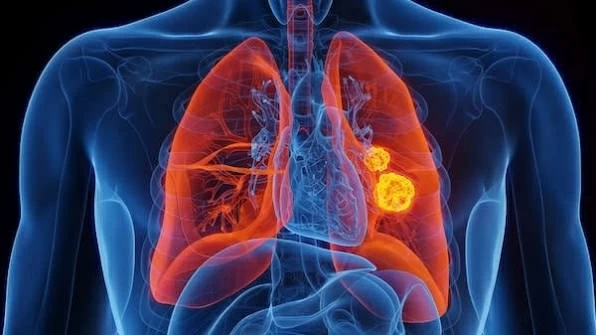
لطالما أثار سرطان الرئة سؤالًا محيرًا لدى العلماء: لماذا يصاب بعض المدخنين، حتى بعد سنوات طويلة من التعرض لدخان التبغ، بالمرض، بينما لا يصاب به آخرون رغم تعرضهم للعامل نفسه؟ والأكثر إثارة أن سرطان الرئة يظهر أيضًا لدى أشخاص لم يدخنوا طوال حياتهم.
وتشير أبحاث علمية إلى أن الإجابة لا ترتبط بالتعرض للمواد المسرطنة وحده، بل قد تتداخل معها عوامل وراثية وبيئية ومناعية تحدد كيفية استجابة الجسم للضرر.
الجينات قد تفسر اختلاف المخاطر
بحسب موقع PubMed، أظهرت دراسة بحثية تناولت الاستعداد الوراثي للإصابة بسرطان الرئة المرتبط بالتدخين وجود اختلافات جينية بين أشخاص تعرضوا لمستويات مرتفعة من التدخين، لكن نتائجهم الصحية كانت مختلفة.
واعتمد الباحثون على بيانات وراثية لآلاف الأشخاص؛ بينهم مدخنون شرهون أصيب بعضهم بسرطان الغدة الرئوية في سن مبكرة، بينما وصل آخرون إلى أعمار متقدمة دون الإصابة بالمرض.
واستخدمت الدراسة تقنيات تسلسل الإكسوم الكامل وتحليل البيانات بواسطة التعلم الآلي؛ بهدف تحديد المتغيرات الجينية التي قد ترتبط بدرجات مختلفة من خطر الإصابة.
وتوصل الباحثون إلى مجموعة من المتغيرات الجينية المرتبطة بالاستعداد للإصابة، مع بروز جينات لها علاقة بوظائف المناعة والتعامل مع التلف الخلوي. وتدعم هذه النتائج فكرة أن الاستجابة للمواد المسرطنة ليست متطابقة لدى جميع الأشخاص.
لكن ذلك لا يعني أن بعض الأشخاص محصنون ضد سرطان الرئة؛ فالتدخين يظل عامل الخطر الرئيسي للمرض، ويزيد احتمال الإصابة به بصورة كبيرة مقارنة بغير المدخنين.
كيف يبدأ سرطان الرئة؟
يبدأ السرطان عندما تتراكم تغيرات في الحمض النووي للخلايا، فتفقد بعض آليات التحكم الطبيعية في النمو والانقسام، ما يسمح للخلايا غير الطبيعية بالتكاثر بصورة غير منضبطة.
ويُعد دخان التبغ من أبرز مصادر المواد التي يمكن أن تسبب هذه الأضرار، إلى جانب عوامل أخرى مثل التعرض للرادون والتلوث الهوائي وبعض المواد الكيميائية والتدخين السلبي.
غير أن قدرة الخلايا على إصلاح الأضرار التي تصيب الحمض النووي، وطريقة استجابة الجهاز المناعي، والاختلافات الوراثية بين الأفراد، يمكن أن تؤثر جميعها في تطور المرض.
سرطان الرئة لدى غير المدخنين.. قصة مختلفة
وبحسب مجلة Nature، لا يقتصر سرطان الرئة على المدخنين، إذ تشير المراجعات العلمية إلى أن نسبة مهمة من الحالات عالميًا تحدث لدى أشخاص لم يدخنوا مطلقًا.
وتظهر هذه الحالات بصورة ملحوظة بين النساء وبعض السكان في آسيا، كما يرتبط جزء منها بعوامل بيئية وتغيرات جينية محددة.
وتشير الأبحاث إلى اختلافات جزيئية بين أورام المدخنين وغير المدخنين. فعلى سبيل المثال، تظهر طفرات EGFR بصورة أكثر شيوعًا في بعض سرطانات الرئة لدى غير المدخنين، بينما ترتبط طفرات KRAS بصورة أكبر بالسرطانات المرتبطة بالتدخين، مع وجود استثناءات كثيرة وعدم انطباق هذا التقسيم على جميع المرضى.
ولهذا ينظر العلماء بصورة متزايدة إلى سرطان الرئة لدى غير المدخنين؛ باعتباره مجموعة ذات خصائص بيولوجية مميزة، وليس مجرد نسخة من المرض المرتبط بالتدخين.
تجارب على الفئران تكشف مسارات مختلفة
ولفهم تأثير الجينات بعيدًا عن اختلافات البيئة ونمط الحياة، استخدم باحثون نماذج من الفئران ذات خلفيات جينية مختلفة، وعرضوها لجرعات متساوية ومضبوطة من مادة مسرطنة.
وأظهرت النتائج أن الأورام قد تصل إلى نتيجة بيولوجية متشابهة، لكنها لا تسلك بالضرورة المسار الجزيئي نفسه، فقد أثرت الخلفية الجينية في طريقة عمل مسارات مرتبطة بنمو الخلايا والاستجابة للتلف، كما ظهرت اختلافات في بعض التغيرات الكبيرة التي تصيب الجينوم.
وتساعد هذه التجارب على تفسير فكرة أساسية في أبحاث السرطان: التعرض للعامل المسرطن نفسه لا يعني بالضرورة أن جميع الأجسام ستستجيب بالطريقة ذاتها.
هل تصبح الجينات مفتاح التشخيص المبكر؟
ويرى الباحثون أن فهم العلاقة بين الموروث الجيني واحتمالات الإصابة يمكن أن يفتح مستقبلًا الباب أمام تقييم أكثر دقة للمخاطر الفردية، وربما يساعد في تحديد الأشخاص الذين قد يحتاجون إلى متابعة أو فحوص أكثر دقة.
كما قد تساهم المعلومات الجينية في فهم كيفية تطور الورم وتحديد الطفرات التي يمكن استهدافها بالعلاجات الموجهة، خاصة أن بعض سرطانات الرئة لدى غير المدخنين تحمل تغيرات جينية يمكن استهدافها بأدوية محددة.
لكن هذه النتائج لا تعني أن تحليل الجينات أصبح اختبارًا نهائيًا للتنبؤ بمن سيصاب بسرطان الرئة، إذ لا تزال هناك حاجة إلى دراسات أوسع للتحقق من هذه المؤشرات وتحديد مدى قدرتها على التنبؤ بالمرض لدى مجموعات سكانية مختلفة.
التدخين يظل الخطر الأكبر
ورغم أهمية الاكتشافات الجينية، فإنها لا تغير الحقيقة الأساسية: التدخين يظل السبب الرئيسي القابل للوقاية المرتبط بسرطان الرئة، كما أن الإقلاع عن التدخين يقلل خطر الإصابة بمرور الوقت.
وفي المقابل، فإن استمرار ظهور سرطان الرئة لدى غير المدخنين يدفع العلماء إلى البحث بصورة أعمق في الجينات والتلوث والعوامل البيئية والمناعة؛ بهدف الوصول إلى فهم أكثر دقة للمرض.
وقد يقود هذا الفهم مستقبلًا إلى تقسيم مرضى سرطان الرئة وفق خصائصهم الجينية والبيولوجية، بدل التعامل معهم باعتبارهم مجموعة واحدة، بما يتيح فرصًا أكبر للتشخيص المبكر والعلاج الشخصي الأكثر دقة.
Lung cancer has long posed a perplexing question for scientists: why do some smokers develop the disease even after many years of exposure to tobacco smoke, while others do not, despite being exposed to the same factor? Even more intriguing is that lung cancer also appears in individuals who have never smoked throughout their lives.
Scientific research indicates that the answer is not solely related to exposure to carcinogenic substances, but may also involve genetic, environmental, and immune factors that determine how the body responds to damage.
Genes May Explain Risk Differences
According to PubMed, a research study on the genetic predisposition to lung cancer related to smoking found genetic differences among individuals who were exposed to high levels of smoking, yet their health outcomes varied.
The researchers relied on genetic data from thousands of individuals, including heavy smokers, some of whom developed pulmonary gland cancer at a young age, while others reached advanced ages without developing the disease.
The study utilized whole exome sequencing techniques and data analysis through machine learning to identify genetic variants that may be associated with different levels of risk.
The researchers identified a set of genetic variants linked to susceptibility, with certain genes related to immune functions and cellular damage response standing out. These findings support the idea that the response to carcinogens is not uniform among all individuals.
However, this does not mean that some individuals are immune to lung cancer; smoking remains the primary risk factor for the disease and significantly increases the likelihood of developing it compared to non-smokers.
How Does Lung Cancer Begin?
Cancer begins when changes accumulate in the DNA of cells, causing some natural control mechanisms for growth and division to fail, allowing abnormal cells to proliferate uncontrollably.
Tobacco smoke is one of the main sources of substances that can cause this damage, alongside other factors such as exposure to radon, air pollution, certain chemicals, and secondhand smoke.
However, the ability of cells to repair DNA damage, the immune system's response, and genetic differences among individuals can all influence the disease's progression.
Lung Cancer in Non-Smokers... A Different Story
According to Nature magazine, lung cancer is not limited to smokers, as scientific reviews indicate that a significant proportion of cases globally occur in individuals who have never smoked.
These cases are notably prevalent among women and certain populations in Asia, with some being linked to environmental factors and specific genetic changes.
Research indicates molecular differences between tumors in smokers and non-smokers. For instance, EGFR mutations are more commonly observed in some lung cancers among non-smokers, while KRAS mutations are more associated with smoking-related cancers, with many exceptions and this classification not applying to all patients.
As a result, scientists are increasingly viewing lung cancer in non-smokers as a group with distinct biological characteristics, rather than merely a version of the smoking-related disease.
Mouse Experiments Reveal Different Pathways
To understand the impact of genes apart from environmental and lifestyle differences, researchers used models of mice with different genetic backgrounds and exposed them to equal and controlled doses of a carcinogen.
The results showed that tumors could reach a similar biological outcome, but they do not necessarily follow the same molecular pathway; the genetic background influenced how pathways related to cell growth and damage response functioned, and differences appeared in some significant changes affecting the genome.
These experiments help explain a fundamental idea in cancer research: exposure to the same carcinogenic factor does not necessarily mean that all bodies will respond in the same way.
Could Genes Become the Key to Early Diagnosis?
Researchers believe that understanding the relationship between genetic inheritance and the likelihood of developing cancer could eventually open the door to more accurate assessments of individual risks, and perhaps help identify individuals who may need closer monitoring or more precise screenings.
Genetic information may also contribute to understanding how tumors develop and identifying mutations that can be targeted with targeted therapies, especially since some lung cancers in non-smokers carry genetic changes that can be targeted with specific drugs.
However, these results do not mean that genetic analysis has become a definitive test for predicting who will develop lung cancer, as broader studies are still needed to validate these indicators and determine their predictive power across different populations.
Smoking Remains the Biggest Risk
Despite the importance of genetic discoveries, they do not change the fundamental truth: smoking remains the primary preventable cause associated with lung cancer, and quitting smoking reduces the risk of developing it over time.
Conversely, the continued emergence of lung cancer in non-smokers drives scientists to delve deeper into genes, pollution, environmental factors, and immunity, aiming for a more precise understanding of the disease.
This understanding may eventually lead to classifying lung cancer patients based on their genetic and biological characteristics, rather than treating them as a single group, thereby providing greater opportunities for early diagnosis and more precise personalized treatment.