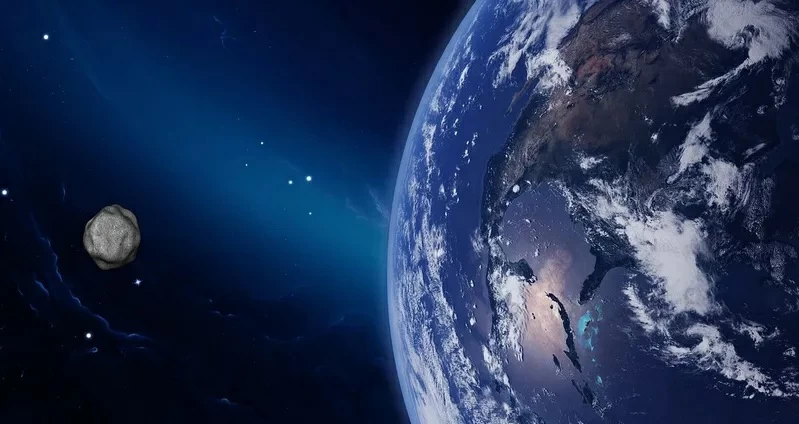
عاد الحديث عن خطر اصطدام الكويكبات بالأرض إلى الواجهة، بعد تحذير وكالة «ناسا»، من أن الحضارة البشرية مطالبة بالاستعداد لمثل هذا السيناريو على المدى البعيد، مؤكدة أن هذه الأحداث جزء طبيعي من تاريخ النظام الشمسي و«ستتكرر حتماً»، رغم أن احتمال وقوعها خلال الجيل الحالي يظل ضئيلاً للغاية.
وأوضحت «ناسا» على لسان أحد خبرائها أومبرتو كامبينس، خلال مشاركته في مؤتمر بمدينة أوفييدو الإسبانية، أنه لا توجد أي تهديدات مباشرة في الوقت الراهن، داعياً إلى عدم القلق، غير أنه شدد في الوقت ذاته على أهمية تطوير تقنيات قادرة على رصد الأجسام الخطرة وتحويل مسارها مبكراً لحماية الكوكب.
وفي هذا السياق، أشار إلى الجهود التي تبذلها «ناسا» منذ عقود عبر شبكة دولية من المراصد لرصد الكويكبات وتقييم مخاطرها، إضافة إلى إجراء تدريبات دورية كل ثلاث سنوات لتعزيز الجاهزية والتعامل مع أي سيناريوهات طارئة. وضرب مثالاً بنجاح مهمة «دارت» (DART) عام 2022 في تغيير مدار كويكب عبر الاصطدام به، ما جعل الدفاع الكياني واقعاً عملياً بعيداً عن الخيال العلمي.
كما تطرق الخبير إلى المرور المرتقب للكويكب «أبوفيس» في أبريل 2029، الذي سيقترب مسافة تقل عن 32 ألف كيلومتر من الأرض، مؤكداً أنه لا يشكل أي خطر، لكنه يمثل فرصة علمية فريدة لمراقبة تأثير جاذبية الأرض عليه عبر مهمتي «ناسا» ووكالة الفضاء الأوروبية.
ولا تقتصر أهمية رصد الكويكبات على جانب المخاطر فقط، إذ لفت كامبينس إلى قيمتها الاقتصادية الكبيرة، متوقعاً أن يشهد العقدان القادمان انطلاق مشاريع «التعدين الفضائي» لاستخراج المياه والمعادن النادرة كالبلاتين، وهو ما قد يدعم إنشاء قواعد بشرية وبنى تحتية دائمة خارج الأرض مستقبلاً.
The discussion about the danger of asteroid collisions with Earth has resurfaced, following a warning from NASA that human civilization must prepare for such a scenario in the long term, confirming that these events are a natural part of the solar system's history and "will inevitably recur," although the likelihood of them occurring during the current generation remains extremely low.
NASA clarified through one of its experts, Umberto Campins, during his participation in a conference in the Spanish city of Oviedo, that there are no direct threats at present, urging not to panic. However, he emphasized the importance of developing technologies capable of detecting hazardous objects and altering their paths early to protect the planet.
In this context, he pointed to the efforts that NASA has been making for decades through an international network of observatories to monitor asteroids and assess their risks, in addition to conducting periodic drills every three years to enhance readiness and deal with any emergency scenarios. He cited the successful DART mission in 2022, which changed an asteroid's orbit by colliding with it, making planetary defense a practical reality rather than science fiction.
The expert also touched on the anticipated passage of the asteroid "Apophis" in April 2029, which will come within less than 32,000 kilometers of Earth, confirming that it poses no threat but represents a unique scientific opportunity to observe the effect of Earth's gravity on it through NASA and the European Space Agency missions.
Moreover, the importance of monitoring asteroids is not limited to risk assessment alone, as Campins pointed out their significant economic value, predicting that the next two decades will witness the launch of "space mining" projects to extract water and rare minerals like platinum, which could support the establishment of human bases and permanent infrastructure beyond Earth in the future.