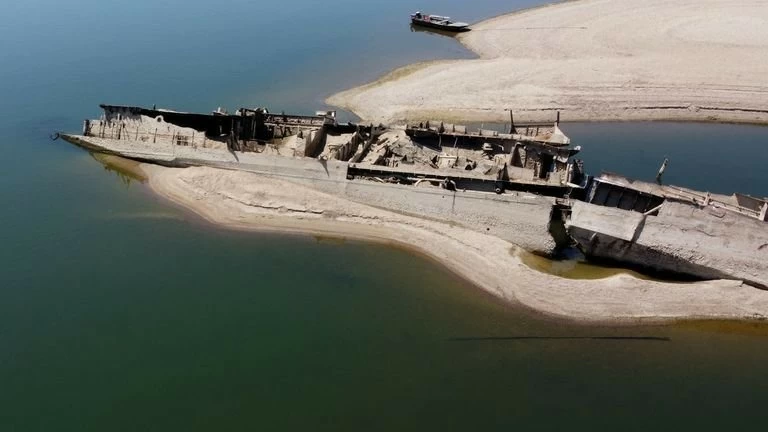
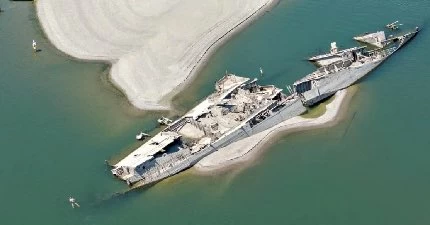
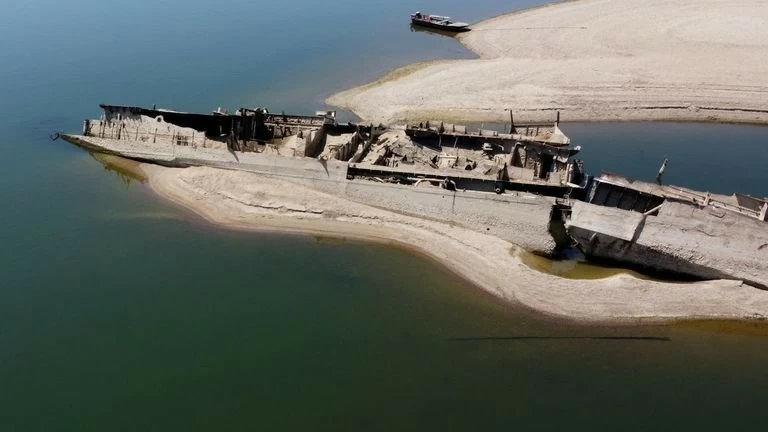
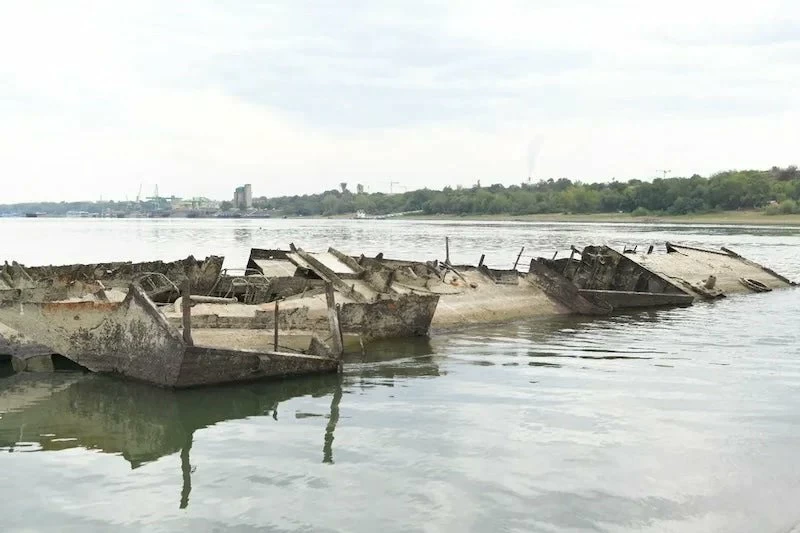
كشف الانخفاض القياسي في منسوب مياه نهر الدانوب، بفعل موجة جفاف شديدة تضرب أجزاء من أوروبا، عن عشرات السفن الحربية التي تعود إلى الحرب العالمية الثانية، لتظهر مجدداً بقايا من حقبة النازية ظلت لعقود مدفونة تحت مياه ثاني أطول أنهار القارة.
وذكرت صحيفة «غارديان» البريطانية أن هياكل سفن مدمرة ظهرت في أجزاء من النهر على الحدود بين صربيا ورومانيا، بعدما انحسرت المياه عن مناطق كانت مغمورة بشكل دائم. ويُعتقد أن بعض هذه السفن لا يزال يحتوي على أسلحة ومتفجرات، ما يجعل التعامل معها محفوفاً بالمخاطر.
وتعود السفن إلى أسطول ألماني كان يعمل في البحر الأسود خلال الحرب العالمية الثانية، وأغرقتها القوات النازية عمداً في سبتمبر 1944 مع اقتراب القوات السوفيتية، في محاولة لإبطاء تقدمها عبر المنطقة. وتشير تقديرات المؤرخين إلى أن نحو 200 سفينة ألمانية أُغرقت في ذلك الوقت، قبل أشهر من استسلام ألمانيا النازية في مايو 1945.
ولم تكن هذه المرة الأولى التي يكشف فيها انحسار مياه الدانوب عن مثل هذا الحطام؛ إذ ظهرت بعض السفن خلال موجات جفاف سابقة قبل أن تعود إلى الاختفاء مع ارتفاع منسوب النهر. وكانت السلطات الصربية قد حاولت في فترات سابقة إزالة بعض الحطام، لكن وجود المتفجرات والأسلحة على متن عدد من السفن جعل عملية انتشالها شديدة التعقيد.
ولم تقتصر الاكتشافات على السفن، إذ كشفت موجات انخفاض منسوب المياه عن مخلفات أخرى تعود إلى الحرب العالمية الثانية في مناطق مختلفة من حوض الدانوب، بينها دراجة نارية عسكرية ألمانية عُثر عليها في العاصمة المجرية بودابست.
وفي سلوفاكيا، عثرت السلطات كذلك على قنبلة بريطانية غير منفجرة تزن نحو 700 كيلوغرام، قبل نقلها باستخدام مركبة إطفاء مجهزة خصيصاً إلى حفرة بعمق خمسة أمتار، حيث جرى تفجيرها بصورة آمنة.
وتعود بعض هذه المخلفات إلى العمليات العسكرية التي شهدها الدانوب خلال الحرب، إذ زرعت القوات الجوية الملكية البريطانية ألغاماً في النهر عام 1944 بهدف عرقلة تحركات القوات الألمانية.
وبعيداً عن كشف آثار الحرب، يعكس انحسار مياه الدانوب تداعيات أكثر اتساعاً لموجات الجفاف التي تضرب أوروبا، إذ أدى انخفاض منسوب المياه إلى صعوبات متزايدة أمام حركة السفن والنقل النهري، في الوقت الذي تعتمدبعض محطات الطاقة والصناعات على مياه الأنهار في عمليات التبريد.
ويمر نهر الدانوب عبر عشر دول أوروبية، ويُعد شرياناً رئيسياً للنقل والتجارة والطاقة في القارة، ما يجعل انخفاض منسوبه بصورة حادة تهديداً يتجاوز الملاحة إلى قطاعات اقتصادية حيوية، فيما يثير تكرار موجات الجفاف تساؤلات بشأن تأثير تغير المناخ على مستقبل الأنهار الأوروبية.
The record drop in the water level of the Danube River, due to a severe drought affecting parts of Europe, has revealed dozens of warships from World War II, bringing back remnants from the Nazi era that had been buried for decades beneath the waters of the continent's second longest river.
The British newspaper "The Guardian" reported that the hulls of sunken ships have emerged in parts of the river along the border between Serbia and Romania, after the water receded from areas that were permanently submerged. Some of these ships are believed to still contain weapons and explosives, making handling them hazardous.
The ships belonged to a German fleet that operated in the Black Sea during World War II, and they were deliberately sunk by Nazi forces in September 1944 as Soviet troops approached, in an attempt to slow their advance through the region. Historians estimate that around 200 German ships were sunk at that time, just months before Nazi Germany's surrender in May 1945.
This is not the first time that the receding waters of the Danube have revealed such wreckage; some ships appeared during previous droughts before disappearing again as the river's level rose. Serbian authorities had previously attempted to remove some of the wreckage, but the presence of explosives and weapons on board several ships complicated the retrieval process significantly.
The discoveries were not limited to ships, as the waves of decreasing water levels also uncovered other remnants from World War II in various areas of the Danube basin, including a German military motorcycle found in the Hungarian capital, Budapest.
In Slovakia, authorities also discovered an unexploded British bomb weighing about 700 kilograms, which was transported using a specially equipped fire truck to a five-meter-deep pit, where it was safely detonated.
Some of these remnants date back to military operations that took place on the Danube during the war, as the Royal Air Force planted mines in the river in 1944 to disrupt German troop movements.
Apart from revealing the scars of war, the receding waters of the Danube reflect broader implications of the drought waves hitting Europe, as the drop in water levels has led to increasing difficulties for shipping and river transport, while some power stations and industries rely on river water for cooling processes.
The Danube River flows through ten European countries and is a major artery for transport, trade, and energy on the continent, making a sharp drop in its levels a threat that extends beyond navigation to vital economic sectors, while the recurrence of drought waves raises questions about the impact of climate change on the future of European rivers.