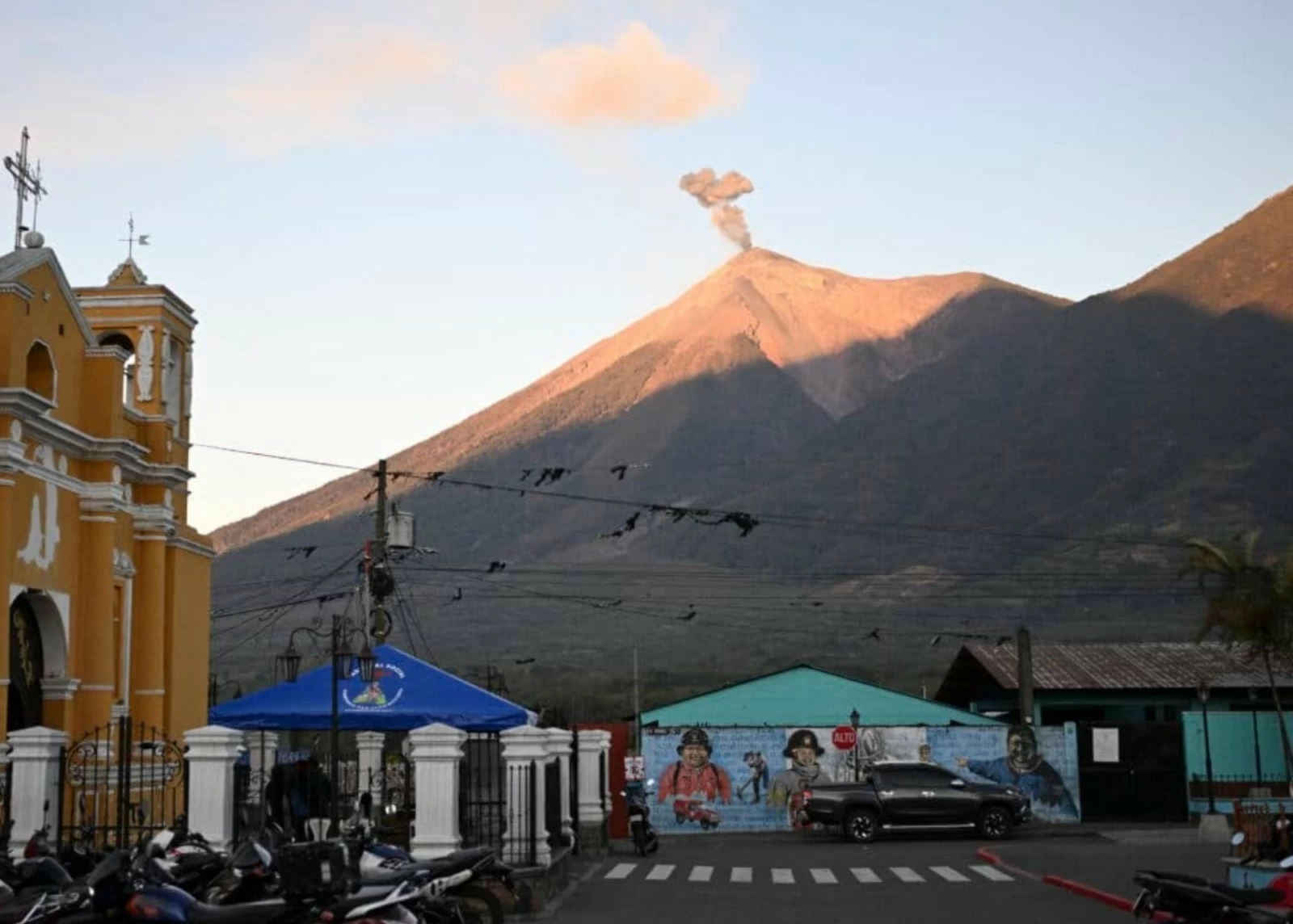
أبقت سلطات جواتيمالا حالة التأهب سارية في المناطق المحيطة ببركان فويجو، أحد أكثر البراكين نشاطاً في أمريكا الوسطى، مع استمرار ثورانه وقذف كميات جديدة من الرماد والطين، بينما تواصل عمليات إجلاء السكان تحسباً لأي تطورات خطيرة.
وأعلنت الوكالة الوطنية لمواجهة الكوارث «كونريد» أن نحو 1700 شخص ما زالوا يقيمون في مراكز الإيواء، مؤكدة أن عمليات الإجلاء ستستمر حتى تتحسن الظروف وتزول المخاطر الناجمة عن النشاط البركاني.
ورفعت السلطات مستوى التأهب إلى اللون الأحمر في مقاطعات ساكاتيبيكيز وإسكوينتلا وتشيمالتينانجو، حيث تأثر نحو 29 ألف شخص بتساقط الرماد البركاني، فيما تقرر استمرار تعليق الدراسة في المدارس الواقعة بالمناطق المتضررة.
وحذرت السلطات من أن الساعات الـ72 القادمة ستكون حاسمة، في ظل استمرار تدفقات الطين البركاني على منحدرات البركان لمسافات تصل إلى سبعة كيلومترات، مع توقعات بهطول مزيد من الأمطار، وهو ما قد يزيد من احتمالات حدوث تدفقات طينية جديدة.
وأكدت الجهات المختصة أن التدفقات الطينية لم تصل حتى الآن إلى القرى المجاورة، ولم تسجل أي أضرار في المباني أو المنشآت، كما لم ترد تقارير عن تعرض البنية التحتية لخطر مباشر.
وفي إطار الإجراءات الوقائية، أوصت الأمينة التنفيذية لوكالة «كونريد»، كلودين أوجالديس، السكان في البلديات المتضررة بتغطية خزانات المياه وارتداء الكمامات للحد من تأثير الرماد البركاني، وفق ما نقلته وكالة «أسوشيتد برس».
وبدأ ثوران بركان فويجو صباح الإثنين، مع تصاعد سحب كثيفة من الغاز والرماد وانسياب الحمم والمواد البركانية على منحدراته، قبل أن يشهد الثلاثاء تصاعداً إضافياً في انبعاثات الرماد والطين.
وشملت عمليات الإجلاء نحو 250 شخصاً من منطقة «إل بورفينير» وقرية «لاس لاخيتاس»، بينما حذرت السلطات من امتداد سحب الرماد إلى بلدات مجاورة، وأغلقت الطريق الوطني رقم 14، الذي يعد أحد أهم الطرق المارة بالقرب من البركان، إلى جانب تعليق الدراسة في عدد من المناطق القريبة.
ويعد بركان فويجو، الذي يعني اسمه بالإسبانية «بركان النار»، من أكثر البراكين نشاطاً في أمريكا الوسطى، ويقع على بعد نحو 35 كيلومتراً جنوب غربي العاصمة جواتيمالا سيتي. ويحمل البركان سجلاً طويلاً من الثورات العنيفة، كان أبرزها في عام 2018 عندما تسبب ثورانه في مقتل مئات الأشخاص ودفن قرى كاملة تحت الرماد والمواد البركانية، فيما شهد العام الماضي ثوراناً جديداً استدعى تنفيذ عمليات إجلاء احترازية، ما يجعل السلطات تتعامل بحذر شديد مع أي نشاط جديد للبركان.
Guatemala's authorities have kept the state of alert in effect in the areas surrounding the Fuego volcano, one of the most active volcanoes in Central America, as it continues to erupt and spew new amounts of ash and mud, while evacuation operations continue in anticipation of any serious developments.
The National Disaster Response Agency "Conred" announced that about 1,700 people are still residing in shelters, confirming that evacuation operations will continue until conditions improve and the risks from volcanic activity are eliminated.
Authorities raised the alert level to red in the departments of Sacatepéquez, Escuintla, and Chimaltenango, where approximately 29,000 people have been affected by the falling volcanic ash, and it was decided to continue suspending classes in schools located in the affected areas.
Authorities warned that the next 72 hours will be critical, as volcanic mud flows continue down the slopes of the volcano for distances of up to seven kilometers, with forecasts of more rain, which could increase the likelihood of new mud flows.
Officials confirmed that the mud flows have not yet reached neighboring villages, and no damage to buildings or facilities has been reported, nor have there been reports of direct threats to infrastructure.
As part of precautionary measures, the Executive Secretary of the "Conred" agency, Claudia Ogaldes, recommended that residents in the affected municipalities cover water tanks and wear masks to reduce the impact of volcanic ash, according to the Associated Press.
The Fuego volcano began erupting on Monday morning, with thick clouds of gas and ash rising and lava and volcanic materials flowing down its slopes, before experiencing an additional increase in ash and mud emissions on Tuesday.
The evacuation operations included about 250 people from the "El Porvenir" area and the village of "Las Lajitas," while authorities warned of ash clouds extending to neighboring towns, and closed National Route 14, which is one of the main roads passing near the volcano, in addition to suspending classes in several nearby areas.
The Fuego volcano, whose name means "volcano of fire" in Spanish, is one of the most active volcanoes in Central America, located about 35 kilometers southwest of the capital, Guatemala City. The volcano has a long history of violent eruptions, the most notable of which occurred in 2018 when its eruption caused the deaths of hundreds of people and buried entire villages under ash and volcanic materials, while last year saw a new eruption that necessitated precautionary evacuation operations, prompting authorities to exercise extreme caution with any new volcanic activity.