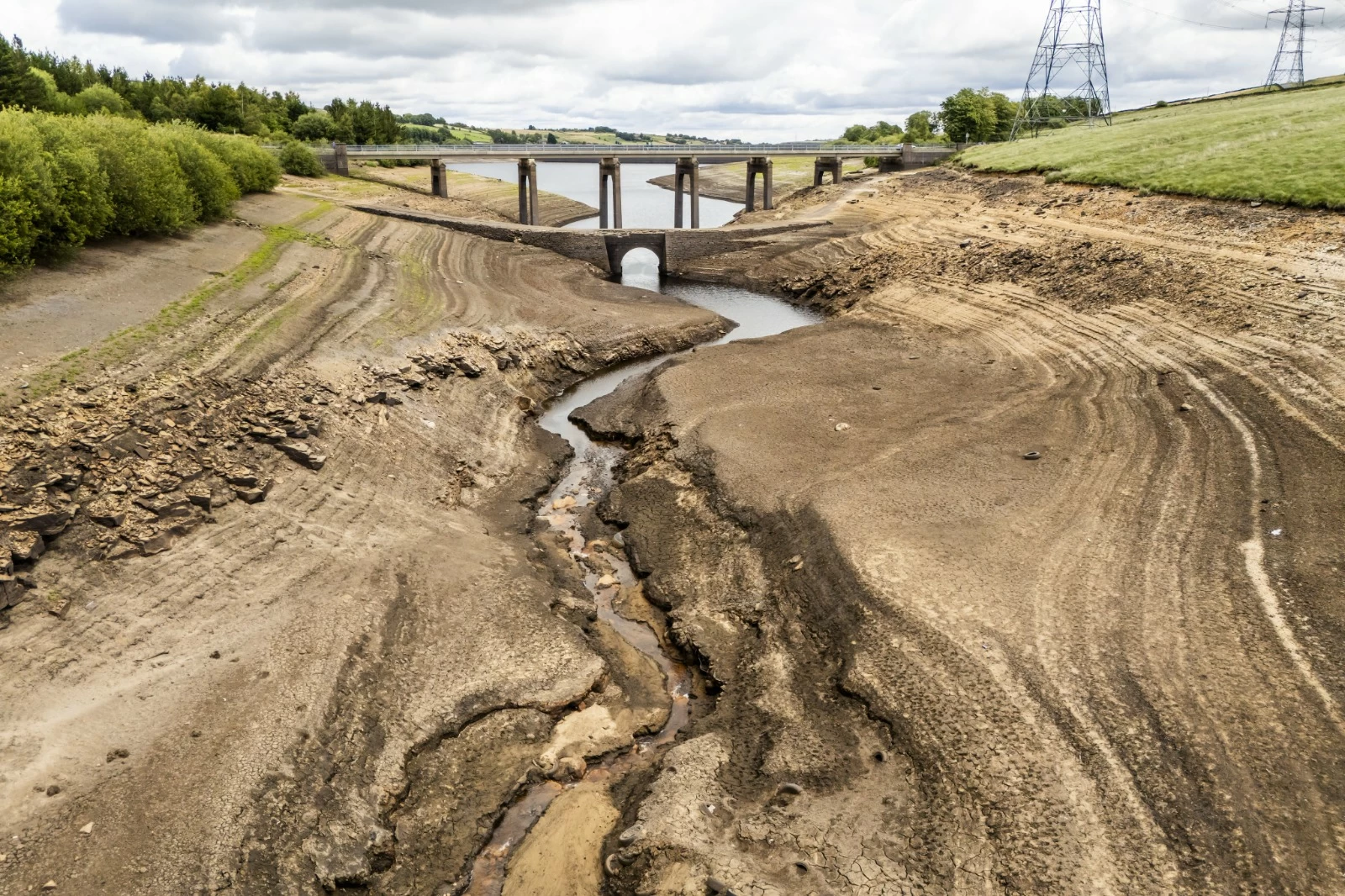
تواجه أوروبا واحدة من أخطر الأزمات المناخية في تاريخها الحديث، بعدما أدى الجفاف غير المسبوق إلى انخفاض حاد في منسوب الأنهار، وفي مقدمتها نهر الدانوب، ما أثار مخاوف من تعطل الملاحة النهرية وتهديد عمل مفاعلات نووية تعتمد على مياه الأنهار في التبريد، بالتزامن مع اندلاع حرائق غابات واسعة أتت على مئات الآلاف من الهكتارات في عدد من الدول الأوروبية.
ويحذر خبراء المناخ من أن استمرار موجات الحر والجفاف قد يدفع القارة إلى أزمة متعددة الأبعاد تشمل قطاعات الطاقة والنقل والزراعة والبيئة، في ظل توقعات باستمرار الأحوال الجوية القاسية خلال الأسابيع القادمة.
«الدانوب» عند أدنى مستوياته
شهد نهر الدانوب، ثاني أطول أنهار أوروبا، انخفاضاً حاداً في منسوب المياه إلى مستويات تاريخية، ما تسبب في إعاقة حركة الملاحة التجارية والسياحية في عدد من الدول التي يمر بها، وأثار مخاوف بشأن قدرة بعض محطات الطاقة النووية في هنغاريا ورومانيا على مواصلة العمل بكفاءة، نظراً لاعتمادها على مياه النهر في عمليات التبريد.
كما أدى تراجع مناسيب المياه إلى ظهور مساحات واسعة من قاع النهر، في مشهد يعكس حدة الجفاف الذي يضرب مناطق واسعة من وسط وشرق أوروبا.
حرائق تلتهم مئات الآلاف من الهكتارات
وبالتزامن مع الجفاف، تشهد عدة دول أوروبية موجة حرائق غابات واسعة النطاق، ساعدت درجات الحرارة المرتفعة والرياح الجافة على انتشارها بسرعة، ما أدى إلى احتراق مئات الآلاف من الهكتارات من الغابات والأراضي الزراعية، وإجلاء آلاف السكان من المناطق المهددة.
وتواصل فرق الإطفاء في عدد من الدول جهودها للسيطرة على النيران، وسط مخاوف من اتساع رقعة الحرائق إذا استمرت الظروف المناخية الحالية.
الزراعة والطاقة في مواجهة أزمة مزدوجة
لا تقتصر تداعيات الجفاف على الأنهار والحرائق، بل تمتد إلى القطاع الزراعي الذي يواجه تراجعاً في إنتاج المحاصيل بسبب نقص المياه، إضافة إلى الضغوط المتزايدة على قطاع الطاقة، خصوصاً مع انخفاض قدرة بعض محطات الكهرباء على استخدام المياه في عمليات التبريد.
ويرى خبراء أن تكرار هذه الظواهر المناخية قد يفرض على الدول الأوروبية إعادة النظر في سياسات إدارة الموارد المائية، وتعزيز الاستثمارات في البنية التحتية القادرة على مواجهة آثار التغير المناخي.
أزمة تعكس تسارع آثار التغير المناخي
تأتي موجة الجفاف الحالية في وقت تؤكد فيه التقارير الدولية أن أوروبا تعد من أسرع القارات تأثراً بظاهرة الاحترار العالمي، إذ أصبحت موجات الحر والجفاف أكثر تكراراً وشدة خلال السنوات الأخيرة، وهو ما ينعكس على الموارد المائية والإنتاج الزراعي والأمن البيئي.
وتحذر منظمات دولية من أن استمرار ارتفاع درجات الحرارة سيؤدي إلى زيادة الضغوط على مصادر المياه العذبة، ويضاعف مخاطر الحرائق وتراجع الإنتاج الغذائي، ما يجعل التكيف مع التغير المناخي وإدارة الموارد المائية من أبرز التحديات التي تواجه أوروبا خلال العقود القادمة.
وشهدت أوروبا خلال الأعوام الأخيرة سلسلة من موجات الجفاف والحر القياسية، كان أبرزها في عامي 2022 و2023، عندما سجلت أجزاء واسعة من القارة أدنى مستويات لهطول الأمطار منذ عقود، ما أدى إلى انخفاض مناسيب أنهار رئيسية مثل الراين والبو والدانوب، وأثّر على حركة الملاحة وإنتاج الطاقة والزراعة.
وتشير الدراسات المناخية إلى أن ارتفاع درجات الحرارة الناتج عن التغير المناخي يزيد من احتمالات تكرار مثل هذه الظواهر وشدتها، الأمر الذي يدفع الحكومات الأوروبية إلى تسريع خطط التكيف مع التغيرات المناخية وتعزيز إدارة الموارد المائية.
Europe is facing one of the most severe climate crises in its modern history, as unprecedented drought has led to a sharp decline in river levels, particularly the Danube River, raising concerns about disruptions to river navigation and threatening the operation of nuclear reactors that rely on river water for cooling, coinciding with widespread forest fires that have devastated hundreds of thousands of hectares in several European countries.
Climate experts warn that the continuation of heatwaves and drought may push the continent into a multidimensional crisis affecting the energy, transportation, agriculture, and environmental sectors, amid expectations of ongoing severe weather conditions in the coming weeks.
The Danube at its Lowest Levels
The Danube River, the second longest river in Europe, has experienced a sharp decline in water levels to historic lows, causing disruptions to commercial and tourist navigation in several countries it passes through, and raising concerns about the ability of some nuclear power plants in Hungary and Romania to continue operating efficiently, as they rely on river water for cooling processes.
The drop in water levels has also revealed vast areas of the riverbed, reflecting the severity of the drought affecting large areas of Central and Eastern Europe.
Fires Consuming Hundreds of Thousands of Hectares
Alongside the drought, several European countries are experiencing widespread forest fires, fueled by high temperatures and dry winds, leading to the burning of hundreds of thousands of hectares of forests and agricultural land, and the evacuation of thousands of residents from threatened areas.
Firefighting teams in several countries continue their efforts to control the flames, amid fears that the fires could spread further if current weather conditions persist.
Agriculture and Energy Facing a Dual Crisis
The impacts of the drought are not limited to rivers and fires, but extend to the agricultural sector, which is facing a decline in crop production due to water shortages, in addition to increasing pressures on the energy sector, especially with the reduced capacity of some power plants to use water for cooling processes.
Experts believe that the recurrence of these climatic phenomena may force European countries to reconsider water resource management policies and enhance investments in infrastructure capable of addressing the impacts of climate change.
A Crisis Reflecting the Acceleration of Climate Change Effects
The current wave of drought comes at a time when international reports confirm that Europe is one of the fastest continents to be affected by global warming, as heatwaves and droughts have become more frequent and intense in recent years, impacting water resources, agricultural production, and environmental security.
International organizations warn that the continued rise in temperatures will increase pressures on freshwater sources and double the risks of fires and declining food production, making adaptation to climate change and water resource management some of the most significant challenges facing Europe in the coming decades.
In recent years, Europe has witnessed a series of record-breaking droughts and heatwaves, most notably in 2022 and 2023, when large parts of the continent recorded the lowest levels of rainfall in decades, leading to declines in the levels of major rivers such as the Rhine, Po, and Danube, affecting navigation, energy production, and agriculture.
Climate studies indicate that the rise in temperatures resulting from climate change increases the likelihood of such phenomena recurring and intensifying, prompting European governments to accelerate plans for adapting to climate changes and enhancing water resource management.