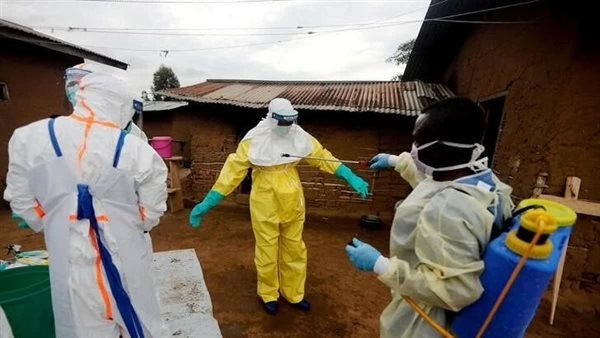
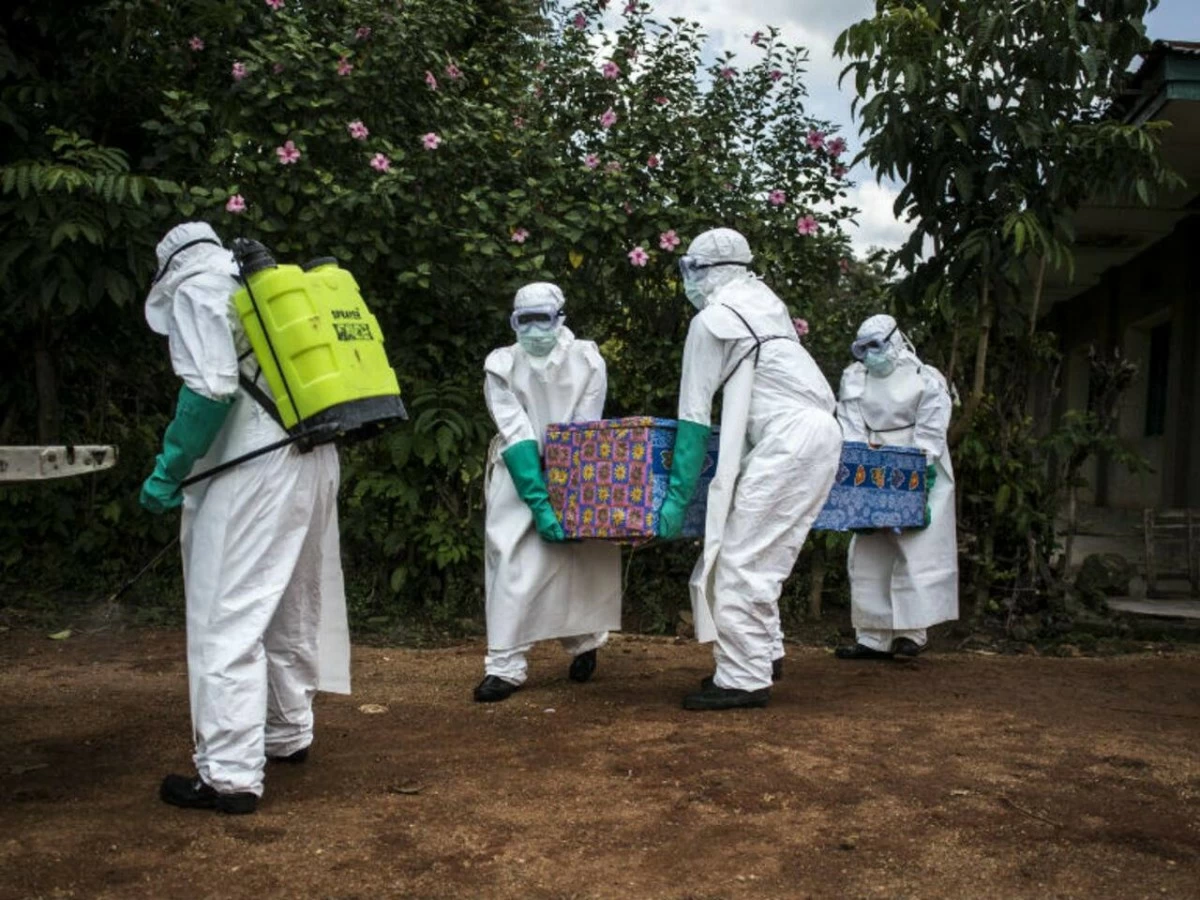
أعلن المعهد الوطني للصحة العامة في جمهورية الكونغو الديمقراطية ارتفاع حصيلة الإصابات المؤكدة بفايروس «إيبولا» إلى 3748 حالة، فيما بلغ عدد الوفيات 1657 شخصاً، وسط استمرار تفشي المرض واتساع نطاق انتشاره، في وقت حذرت منظمة الصحة العالمية من تسارع وتيرة الوباء.
إصابات ووفيات جديدة
وأوضح المعهد، في بيان، أنه تم تسجيل 74 إصابة جديدة و36 حالة وفاة خلال الساعات الـ24 الماضية، مقابل تعافي 42 مصاباً، في مؤشر يعكس استمرار الضغط على المنظومة الصحية في البلاد.
تحذير أممي
وأعربت منظمة الصحة العالمية عن قلقها من التطورات المتسارعة لتفشي الفايروس، مؤكدة أن الارتفاع المستمر في أعداد الإصابات والوفيات، إلى جانب اتساع الرقعة الجغرافية للمرض، يعكسان تصاعد خطورة الوضع الصحي.
ودعت المنظمة إلى تكثيف جهود الاستجابة، وتعزيز عمليات الترصد والكشف المبكر، وتتبع المخالطين، واحتواء العدوى للحد من انتشار الفايروس.
سلالة بلا لقاح
وتُعد جمهورية الكونغو الديمقراطية من أكثر الدول الأفريقية تعرضاً لتفشي «إيبولا»، إذ شهدت خلال العقود الماضية موجات وبائية متعددة، تمكنت السلطات الصحية من احتواء بعضها عبر حملات التطعيم والاستجابة السريعة، فيما استمرت موجات أخرى بسبب ضعف البنية الصحية وصعوبة الوصول إلى المناطق المتضررة.
وتختلف الفاشية الحالية، التي أُعلن عنها في 15 مايو الماضي، لارتباطها بسلالة «بونديبوغيو»، وهي سلالة لا تتوفر لها حتى الآن لقاحات أو علاجات معتمدة، ما يزيد من تعقيد جهود السيطرة على المرض.
مرض شديد الخطورة
ويُعد «إيبولا» من الأمراض الفايروسية شديدة الخطورة، إذ ينتقل عبر ملامسة سوائل جسم المصابين أو المتوفين، وقد يسبب حمى نزفية حادة وفشلاً في وظائف الأعضاء، مع ارتفاع معدلات الوفيات في حال تأخر التشخيص أو العلاج، فيما تؤكد منظمة الصحة العالمية أن سرعة اكتشاف الحالات وعزلها وتتبع المخالطين تمثل الركائز الأساسية للحد من انتشار الوباء.
The National Institute of Public Health in the Democratic Republic of the Congo announced that the number of confirmed cases of the Ebola virus has risen to 3,748, while the death toll has reached 1,657, amid the ongoing spread of the disease and its expanding reach, at a time when the World Health Organization warned of the accelerating pace of the outbreak.
New Cases and Deaths
The institute clarified in a statement that 74 new cases and 36 deaths were recorded in the past 24 hours, alongside the recovery of 42 patients, indicating continued pressure on the healthcare system in the country.
UN Warning
The World Health Organization expressed its concern over the rapidly evolving developments of the virus outbreak, confirming that the continuous rise in the number of cases and deaths, along with the geographical spread of the disease, reflects the increasing severity of the health situation.
The organization called for intensified response efforts, enhanced surveillance and early detection operations, contact tracing, and infection containment to limit the spread of the virus.
Strain Without a Vaccine
The Democratic Republic of the Congo is one of the most affected African countries by the Ebola outbreak, having experienced multiple epidemic waves over the past decades, with health authorities managing to contain some through vaccination campaigns and rapid responses, while other waves persisted due to weak health infrastructure and difficulties in reaching affected areas.
The current outbreak, announced on May 15, is different as it is linked to the "Bundibugyo" strain, which currently has no available vaccines or approved treatments, complicating efforts to control the disease.
Highly Dangerous Disease
Ebola is considered one of the highly dangerous viral diseases, as it spreads through contact with the bodily fluids of infected or deceased individuals, and can cause severe hemorrhagic fever and organ failure, with high mortality rates if diagnosis or treatment is delayed. The World Health Organization emphasizes that the rapid detection of cases, isolation, and contact tracing are the fundamental pillars to limit the spread of the outbreak.