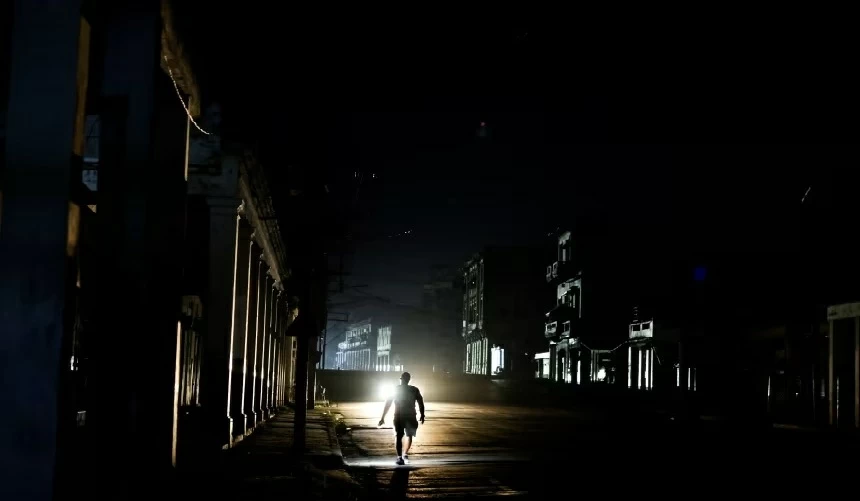
أعلنت شركة الكهرباء الحكومية في كوبا، مساء الأحد، انهيار شبكة الكهرباء الوطنية، ما تسبب في انقطاع التيار الكهربائي في أنحاء البلاد كافة، في أحدث فصول أزمة الطاقة التي تعصف بالجزيرة الكاريبية منذ أشهر.
انقطاع جديد
وأكدت الشركة، عبر حساباتها على منصات التواصل الاجتماعي، وقوع الانهيار دون الإفصاح عن أسبابه أو تحديد موعد لإعادة الخدمة، ما زاد حالة الغموض والقلق بين السكان.
ويُعد هذا أول انقطاع شامل للكهرباء خلال شهر أغسطس، بعدما شهدت كوبا ثلاثة انقطاعات واسعة خلال يوليو الماضي، في ظل استمرار أزمة الوقود التي تضغط على شبكة كهرباء متهالكة تعاني نقص الاستثمارات والصيانة.
أزمة وقود خانقة
وتواجه هافانا صعوبات متزايدة في تأمين واردات الوقود، بينما تلقي الحكومة باللوم على العقوبات الأمريكية والقيود المفروضة على قطاع الطاقة، مؤكدة أن ذلك أثر بشكل مباشر في تشغيل محطات توليد الكهرباء وتلبية احتياجات البلاد.
وألقت الانقطاعات المتكررة بظلالها على الحياة اليومية لنحو عشرة ملايين كوبي، إذ يضطر السكان إلى استغلال ساعات عودة الكهرباء، مهما كان توقيتها، لإنجاز أعمالهم الأساسية، مثل الطهي وغسل الملابس وتشغيل أجهزة التبريد واستخدام الإنترنت، في وقت تشهد فيه البلاد موجات حرارة مرتفعة.
إصلاحات اقتصادية
وفي محاولة لاحتواء الأزمة، بدأت الحكومة تنفيذ إجراءات إصلاحية تستهدف تحسين إمدادات الوقود وتنشيط الاقتصاد. وأعلن رئيس الوزراء مانويل ماريرو كروز، خلال يوليو الماضي، موافقة الحكومة على أول مشروع استثمار أجنبي لاستيراد وبيع الوقود داخل البلاد، إلى جانب السماح لنحو 200 شركة بمزاولة نشاط توزيع الوقود بالجملة؛ بهدف تعزيز الإمدادات وتقليل الضغوط على قطاع الطاقة. كما أقر البرلمان إجراءات تمنح القطاع الخاص دورًا أوسع في الاستثمار السياحي، بعد الخسائر الكبيرة التي تكبدها القطاع نتيجة العقوبات الأمريكية، وانسحاب عدد من شركات الفنادق العالمية، فضلاً عن تقليص الرحلات الجوية بسبب نقص الوقود.
نتائج تدريجية
ورغم هذه الخطوات، تؤكد الحكومة الكوبية أن تجاوز الأزمة لن يكون سريعًا، مشيرة إلى أن نتائج الإصلاحات الاقتصادية ستظهر بصورة تدريجية. وقال رئيس الوزراء: «ستتحقق النتائج بشكل تدريجي، وابتداءً من الآن تبدأ المرحلة الأكثر أهمية، وربما الأكثر صعوبة».
The state electricity company in Cuba announced on Sunday evening the collapse of the national electricity grid, causing power outages across the entire country, marking the latest chapter in the energy crisis that has been plaguing the Caribbean island for months.
New Outage
The company confirmed the collapse through its social media accounts, without disclosing the reasons or specifying a timeline for restoring service, which increased uncertainty and anxiety among the residents.
This is the first complete power outage in August, following three widespread outages in July, amid an ongoing fuel crisis that is straining an already fragile electricity grid suffering from a lack of investment and maintenance.
Severe Fuel Crisis
Cuba is facing increasing difficulties in securing fuel imports, while the government blames U.S. sanctions and restrictions on the energy sector, asserting that this has directly impacted the operation of power generation plants and meeting the country's needs.
The repeated outages have cast a shadow over the daily lives of nearly ten million Cubans, as residents are forced to make the most of the hours when electricity returns, regardless of the timing, to carry out essential tasks such as cooking, washing clothes, operating cooling devices, and using the internet, during a time when the country is experiencing high heat waves.
Economic Reforms
In an attempt to contain the crisis, the government has begun implementing reform measures aimed at improving fuel supplies and revitalizing the economy. Prime Minister Manuel Marrero Cruz announced last July that the government had approved the first foreign investment project for importing and selling fuel within the country, in addition to allowing around 200 companies to engage in wholesale fuel distribution; with the goal of enhancing supplies and reducing pressure on the energy sector. The parliament also approved measures granting the private sector a broader role in tourism investment, following the significant losses incurred by the sector due to U.S. sanctions, the withdrawal of several international hotel companies, and the reduction of flights due to fuel shortages.
Gradual Results
Despite these steps, the Cuban government asserts that overcoming the crisis will not be quick, indicating that the results of the economic reforms will appear gradually. The Prime Minister stated: "Results will be achieved gradually, and starting now, the most important phase begins, and perhaps the most difficult one."