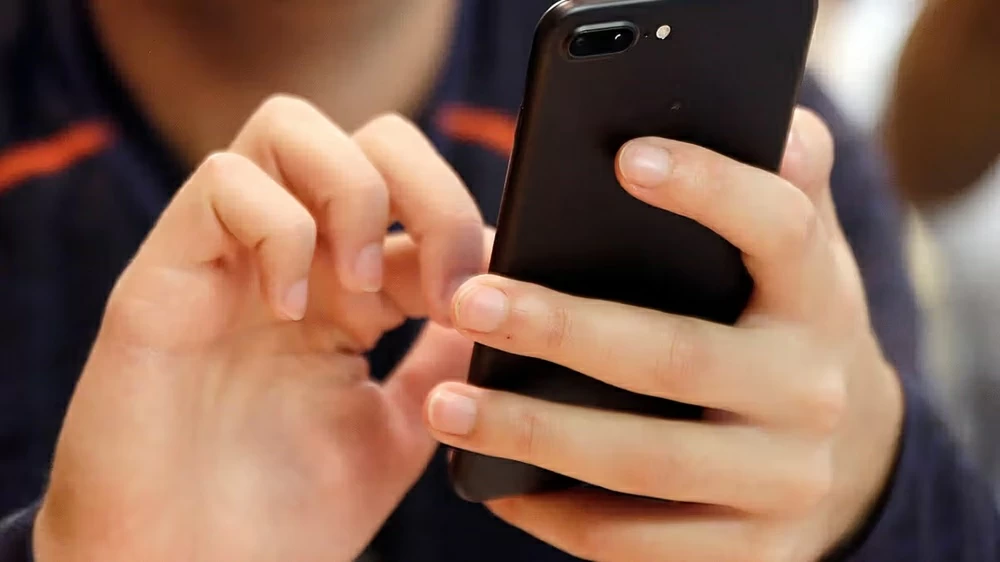
حذّر خبراء في جراحة اليد والعظام من أن الاستخدام المطول للهواتف الذكية، خصوصاً أثناء الكتابة والتمرير المستمر عبر التطبيقات ومواقع التواصل الاجتماعي، قد يؤدي إلى الإصابة بما يُعرف بـ«إبهام الرسائل النصية»، وهي حالة تشمل مجموعة من الآلام والإجهاد الذي يصيب الأوتار والمفاصل نتيجة الحركات المتكررة.
وتتمثل أبرز أعراض هذه الحالة في تيبس الأصابع، وألم نابض بالقرب من مفصل الإبهام، وصعوبة أو صوت طقطقة عند ثني الإصبع.
وبحسب أسوشيتد برس، يؤكد الأطباء أن تجاهل هذه الأعراض قد يؤدي مع مرور الوقت إلى مشكلات أكثر خطورة، مثل متلازمة النفق الرسغي، والتهاب المفاصل، والتهابات الأوتار.
وأوضح المتخصص في مركز جراحة اليد التابع لجامعة كنتاكي، الدكتور مورين أوشونيسي، أن الهواتف الذكية أصبحت جزءاً لا يتجزأ من الحياة اليومية، ولذلك فإن الحل لا يكمن في التوقف عن استخدامها، بل في تعلم طرق أكثر أماناً للتعامل معها بما يتناسب مع متطلبات الحياة الحديثة.
وأشار إلى أن الهواتف الحالية أصبحت أكبر حجماً وأكثر وزناً مقارنة بالأجيال السابقة، كما توسعت استخداماتها لتشمل تصفح الإنترنت لساعات طويلة، ومشاهدة الأفلام، وإجراء المعاملات المالية، إلى جانب التواصل التقليدي، وهو ما يزيد من الضغط الواقع على اليدين والمعصمين.
ويؤكد الأطباء أن تثبيت الرسغين والمرفقين في وضعية واحدة لفترات طويلة يسبب آلاماً في قاعدة الإبهام والمعصم، كما أن حمل الهاتف بطريقة عمودية لفترات ممتدة يرهق بقية أصابع اليد أيضاً.
وللحد من هذه المشكلات، ينصح الخبراء بتقليل مدة استخدام الهاتف أو أخذ فترات راحة قصيرة ومتكررة، مع تغيير وضعية الإمساك بالهاتف، والتبديل بين اليدين أثناء الكتابة، واستخدام أصابع أخرى بدلاً من الاعتماد الكامل على الإبهام.
كما يمكن الاستفادة من ميزات الهواتف الذكية مثل الكتابة بالصوت، أو تكبير حجم الخط لتقليل الحاجة إلى تقريب الهاتف من الوجه، إضافة إلى استخدام ملحقات تثبيت الهاتف، مثل الحلقات أو المقابض الخلفية، التي تساعد على توزيع وزن الجهاز بشكل أفضل وتخفف الضغط على اليد.
وينصح المختصون أيضاً بممارسة تمارين يومية لتمديد عضلات اليد والمعصم، من خلال ثني الرسغ في الاتجاهين، وتحريك الأصابع والإبهام بحركات دائرية، فضلاً عن تمرين بسيط يتمثل في إبعاد الإبهام عن بقية الأصابع أثناء وضع اليد على سطح مستوٍ لمدة تقارب 30 ثانية، للمساعدة في تخفيف الألم وتحسين مرونة المفصل.
وفي حال استمرار الألم أو الشعور بالخدر أو التنميل رغم تقليل استخدام الهاتف واللجوء إلى وسائل العلاج البسيطة مثل الكمادات الباردة أو المسكنات المضادة للالتهاب، ينصح الأطباء بمراجعة الطبيب المختص، إذ قد تكون الأعراض مؤشراً على الإصابة بحالات أكثر تعقيداً، مثل التهاب أوتار دي كيرفان، أو التهاب مفصل الإبهام، أو متلازمة النفق الرسغي، أو ما يُعرف بـ«الإبهام الزنادي»، وهي حالة تنتج عن التهاب أحد أوتار الإبهام وتسبب صعوبة وألماً عند ثنيه.
ومن جانبه، شدد جراح العظام والطب الرياضي في مركز «سيدارز-سيناي»، الدكتور يوجين تساي، على أهمية منح اليدين فترات راحة منتظمة أثناء استخدام الهاتف، مؤكداً أن «أيدينا لم تُصمم لاستخدام الهواتف لساعات طويلة، ولذلك علينا التعامل معها بلطف وحمايتها من الإجهاد المستمر».
Experts in hand and orthopedic surgery have warned that prolonged use of smartphones, especially while typing and continuously scrolling through applications and social media, may lead to a condition known as "texting thumb," which includes a range of pain and strain affecting the tendons and joints due to repetitive movements.
The most prominent symptoms of this condition include stiffness in the fingers, a throbbing pain near the thumb joint, and difficulty or a cracking sound when bending the finger.
According to the Associated Press, doctors confirm that ignoring these symptoms may lead over time to more serious issues, such as carpal tunnel syndrome, arthritis, and tendonitis.
Dr. Maureen O'Shaughnessy, a specialist at the University of Kentucky's Hand Surgery Center, explained that smartphones have become an integral part of daily life, and therefore the solution does not lie in stopping their use, but in learning safer ways to handle them that align with the demands of modern life.
She noted that current phones are larger and heavier compared to previous generations, and their uses have expanded to include browsing the internet for long hours, watching movies, conducting financial transactions, in addition to traditional communication, which increases the strain on the hands and wrists.
Doctors emphasize that keeping the wrists and elbows in one position for extended periods causes pain at the base of the thumb and wrist, and holding the phone vertically for long durations also strains the other fingers.
To mitigate these issues, experts recommend reducing phone usage time or taking short, frequent breaks, changing the way the phone is held, alternating hands while typing, and using other fingers instead of relying solely on the thumb.
Additionally, one can take advantage of smartphone features such as voice typing or increasing the font size to reduce the need to bring the phone closer to the face, as well as using phone stabilization accessories, like rings or back grips, which help distribute the weight of the device better and relieve pressure on the hand.
Specialists also recommend performing daily exercises to stretch the muscles of the hand and wrist, by bending the wrist in both directions, moving the fingers and thumb in circular motions, as well as a simple exercise of separating the thumb from the other fingers while placing the hand on a flat surface for about 30 seconds, to help alleviate pain and improve joint flexibility.
If pain or feelings of numbness or tingling persist despite reducing phone use and resorting to simple treatment methods such as cold compresses or anti-inflammatory pain relievers, doctors advise consulting a specialist, as these symptoms may indicate more complex conditions, such as De Quervain's tenosynovitis, thumb joint inflammation, carpal tunnel syndrome, or what is known as "trigger thumb," a condition resulting from inflammation of one of the thumb tendons that causes difficulty and pain when bending it.
For his part, orthopedic surgeon and sports medicine specialist at Cedars-Sinai, Dr. Eugene Tsai, emphasized the importance of giving the hands regular breaks during phone use, stating that "our hands were not designed for using phones for long hours, so we must handle them gently and protect them from continuous strain."