في مشهد دولي تتقاطع فيه الهجرة بالاقتصاد وتتشابك فيه المصالح مع المخاوف الأمنية، تجد خمس دول كاريبية نفسها في قلب مواجهة أوروبية متصاعدة، بعدما تحوّلت برامجها للجوازات الذهبية إلى واحدة من أكثر الملفات إثارة للجدل في بروكسل، ومع اقتراب المهلة النهائية التي فرضها الاتحاد الأوروبي تتسارع الخطى نحو مفاوضات قد تعيد رسم مستقبل حرية السفر لمواطني تلك الجزر الصغيرة.
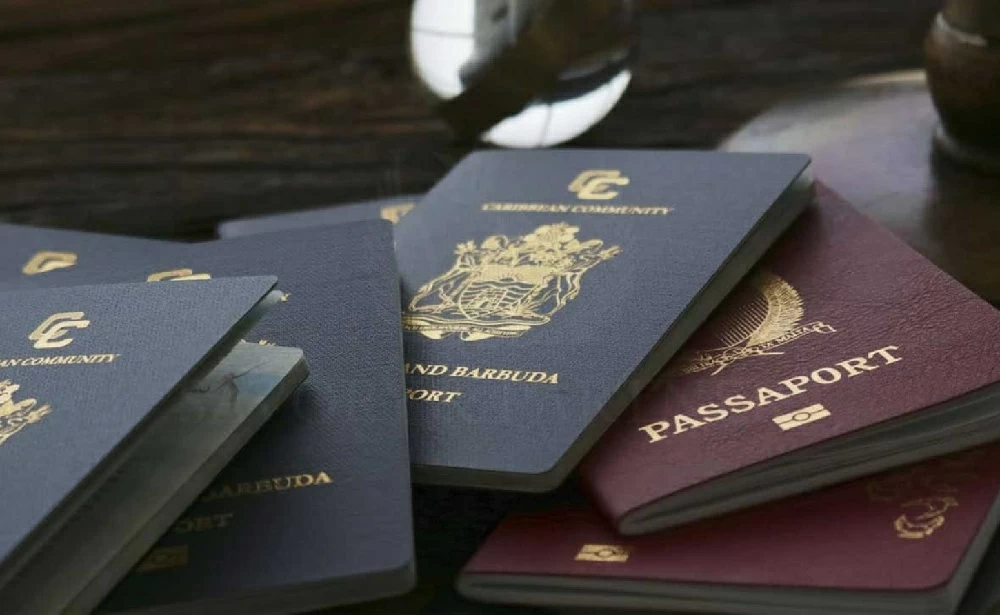
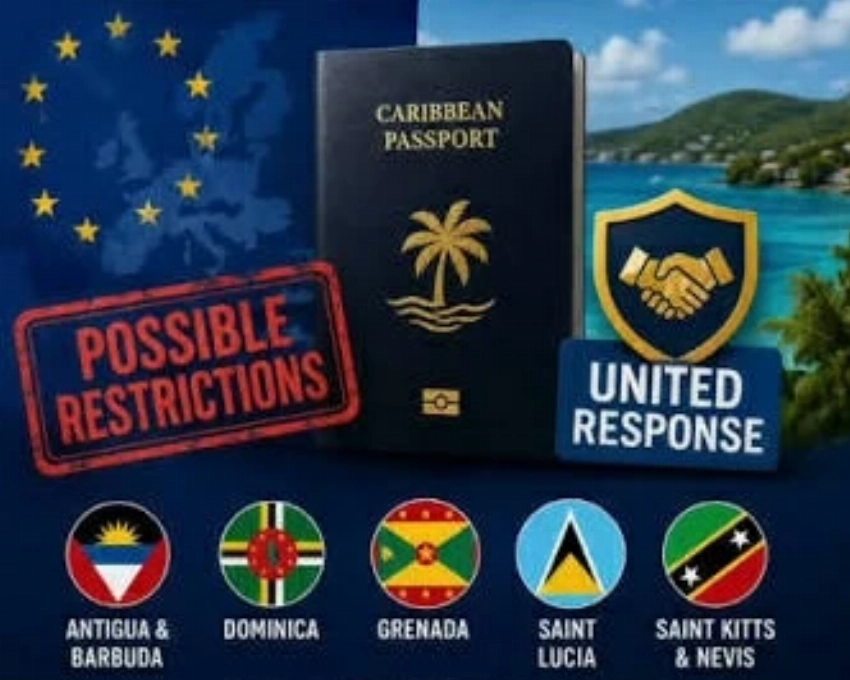
تتجه الأنظار اليوم إلى برامج «الجوازات الذهبية» التي تعتمدها خمس دول كاريبية: أنتيغوا وبربودا، دومينيكا، غرينادا، سانت كيتس ونيفيس، وسانت لوشيا؛ إذ أصدرت هذه الدول مجتمعةً أكثر من 100 ألف جواز حتى الآن، مقابل مبالغ تصل إلى 200 ألف دولار تمنح حاملها دخولًا إلى أكثر من 140 دولة بلا تأشيرة؛ من بينها دول الاتحاد الأوروبي.
الجوازات الذهبية تعتمدها 5 دول كاريبية.
وقد تحوّلت هذه البرامج إلى رافد اقتصادي ضخم يشكّل نحو 60% من الإيرادات غير الضريبية لتلك الدول، فيما تشير تقديرات صندوق النقد الدولي إلى أنها تمثل 6.5% من الناتج المحلي الإجمالي خلال السنوات الأخيرة، ما يجعلها شريانًا ماليًا لا يمكن الاستغناء عنه بسهولة. وترى أوروبا أن هذه الجوازات أصبحت «بابًا خلفيًا» تتسلل عبره جنسيات من دول تُعد عالية المخاطر؛ مثل الصين وروسيا وإيران، عبر الحصول على جنسية كاريبية ثم الاستفادة من حرية الحركة في أوروبا، وبناءً على ذلك وجّهت المفوضية الأوروبية في يونيو 2026 رسائل رسمية تمنح الدول الخمس مهلة حتى يونيو 2028 لإلغاء برامج الجنسية أو تعديلها جذريًا، وإلا ستُسقط بروكسل امتياز الدخول بلا تأشيرة إلى منطقة شنغن عن جميع مواطنيها.
رئيسة المفوضية الأوروبية أورسولا فون دير لاين
وجاء هذا التحرك الأوروبي في سياق تشديد منظومة التأشيرات بعد تعديل «آلية تعليق التأشيرات» في 2025، بحيث أصبح وجود برنامج تجنيس استثماري سببًا كافيًا لتعليق دخول مواطني أي دولة إلى شنغن بلا تأشيرة. كما سبقت ذلك سوابق أوروبية حاسمة؛ أبرزها الحكم الصادر عن محكمة العدل الأوروبية ضد برنامج مالطا للجنسية عبر الاستثمار، الذي اعتبر أن بيع الجنسية يُفرغ المواطنة من معناها القانوني، ودفع مالطا إلى إغلاق البرنامج نهائيًا. وتستند المخاوف الأوروبية إلى اعتبارات أمنية تتعلق بغسل الأموال وتمويل أنشطة غير مشروعة وتجاوز منظومة التدقيق في طلبات التأشيرة، خصوصًا مع تزايد حصول أفراد من دول عالية المخاطر على جوازات كاريبية.
وفي المقابل، تؤكد حكومات الدول الكاريبية أن هذه البرامج تمثل شريانًا اقتصاديًا حيويًا لا يمكن الاستغناء عنه بسهولة، وأنها ستتجه إلى بروكسل بموقف موحّد للتفاوض على صيغ بديلة لا تُفقدها امتيازاتها الاقتصادية ولا تُعرّض مواطنيها لفقدان حرية الحركة في أوروبا، لتبقى أزمة الجوازات الذهبية واحدة من أبرز ملفات التوتر بين الاتحاد الأوروبي والدول الصغيرة المعتمدة على برامج التجنيس الاستثماري، في معادلة تجمع بين اعتبارات الأمن والهجرة من جهة وضرورات التنمية والتمويل في الاقتصادات الجزرية من جهة أخرى.
In an international scene where migration intersects with the economy and interests intertwine with security concerns, five Caribbean countries find themselves at the heart of an escalating European confrontation, as their golden passport programs have become one of the most controversial issues in Brussels. With the deadline imposed by the European Union approaching, the pace is quickening towards negotiations that may reshape the future of travel freedom for the citizens of those small islands.
Today, all eyes are on the "golden passport" programs adopted by five Caribbean countries: Antigua and Barbuda, Dominica, Grenada, Saint Kitts and Nevis, and Saint Lucia; these countries have collectively issued more than 100,000 passports so far, in exchange for amounts reaching $200,000, granting holders access to more than 140 countries without a visa, including EU member states.
These programs have transformed into a massive economic lifeline, constituting about 60% of the non-tax revenues for these countries, while estimates from the International Monetary Fund indicate that they represent 6.5% of the GDP in recent years, making them a financial artery that cannot be easily dispensed with. Europe sees these passports as a "backdoor" through which nationalities from high-risk countries, such as China, Russia, and Iran, can infiltrate by obtaining Caribbean citizenship and then benefiting from the freedom of movement in Europe. Accordingly, the European Commission issued official letters in June 2026 granting the five countries a deadline until June 2028 to either abolish their citizenship programs or radically amend them, otherwise Brussels will revoke the visa-free entry privilege to the Schengen Area for all their citizens.
This European move comes in the context of tightening the visa system following the amendment of the "Visa Suspension Mechanism" in 2025, whereby the existence of an investment naturalization program became a sufficient reason to suspend the entry of citizens from any country into Schengen without a visa. This was preceded by decisive European precedents, most notably the ruling issued by the European Court of Justice against Malta's citizenship by investment program, which deemed that selling citizenship undermines the legal meaning of citizenship, prompting Malta to permanently close the program. European concerns are based on security considerations related to money laundering, funding illegal activities, and bypassing the visa application scrutiny system, especially with the increasing acquisition of Caribbean passports by individuals from high-risk countries.
In contrast, the governments of the Caribbean countries assert that these programs represent a vital economic lifeline that cannot be easily dispensed with, and they will approach Brussels with a unified stance to negotiate alternative formulas that do not strip them of their economic privileges or expose their citizens to losing their freedom of movement in Europe. Thus, the golden passport crisis remains one of the most prominent points of tension between the European Union and the small countries reliant on investment naturalization programs, in a equation that combines security and migration considerations on one hand and the necessities of development and financing in island economies on the other.