كشفت دراسة حديثة أجراها باحثون في كلية هارفارد للصحة العامة وجود ارتباط قوي بين الإفراط في تناول الأطعمة فائقة المعالجة وزيادة خطر الإصابة بالخرف والتدهور المعرفي لدى كبار السن.
وأكدت الدراسة، التي تابعت 5370 شخصاً تجاوزت أعمارهم 50 عاماً لمدة 9 سنوات، أن الأشخاص الذين شكلت الأطعمة فائقة المعالجة نحو 41% من نظامهم الغذائي اليومي كانوا أكثر عرضة للإصابة بالخرف بنسبة 58% مقارنة بمن اعتمدوا على الأطعمة الطبيعية أو قليلة المعالجة.
وقالت البروفيسورة سيندي ليونغ، المشاركة في الدراسة، إن النتائج كانت أقوى من المتوقع، مشيرة إلى أن حتى الاستهلاك المعتدل لهذه الأطعمة ارتبط بزيادة مخاطر التدهور الإدراكي، ما قد يعني عدم وجود مستوى آمن تماماً للإفراط في تناولها.
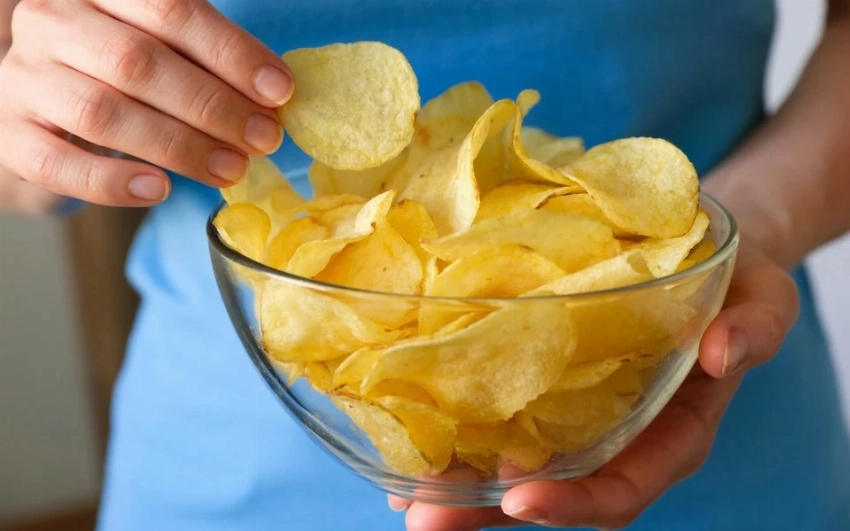
وأوضح الباحثون أن الأطعمة فائقة المعالجة، مثل رقائق البطاطس، والبسكويت، والوجبات الجاهزة، قد تؤثر في صحة الدماغ بعدة آليات، أبرزها اضطراب مستويات السكر في الدم، والإفراط في السعرات الحرارية، وإضعاف صحة الأمعاء، ونقص العناصر الغذائية الضرورية للدماغ، إضافة إلى احتوائها على مركبات قد تزيد الإجهاد التأكسدي وتضر الخلايا العصبية.
وأشار الفريق البحثي إلى أن اللحوم المصنعة كانت من أكثر أنواع الأطعمة ارتباطاً بتراجع الوظائف الإدراكية، مرجحين أن بعض المواد الحافظة المستخدمة في تصنيعها قد تسهم في إنتاج مركبات ضارة بالأعصاب.
ونصح الباحثون بالاعتماد على النظام الغذائي المتوسطي، الذي يركز على الخضروات والفواكه والحبوب الكاملة وزيت الزيتون والأسماك والمكسرات، مع تقليل استهلاك الأطعمة فائقة المعالجة، للحفاظ على صحة الدماغ وتقليل خطر الإصابة بالخرف على المدى الطويل.
A recent study conducted by researchers at Harvard T.H. Chan School of Public Health revealed a strong link between excessive consumption of ultra-processed foods and an increased risk of dementia and cognitive decline in older adults.
The study, which followed 5,370 individuals over the age of 50 for 9 years, found that those whose diets consisted of about 41% ultra-processed foods were 58% more likely to develop dementia compared to those who relied on natural or minimally processed foods.
Professor Cindy Leung, a co-author of the study, stated that the results were stronger than expected, noting that even moderate consumption of these foods was associated with increased risks of cognitive decline, which may suggest that there is no completely safe level of overconsumption.
The researchers explained that ultra-processed foods, such as potato chips, cookies, and ready-to-eat meals, may affect brain health through several mechanisms, primarily disrupting blood sugar levels, excessive calorie intake, impairing gut health, and lacking essential nutrients for the brain, in addition to containing compounds that may increase oxidative stress and harm nerve cells.
The research team pointed out that processed meats were among the types of foods most closely associated with cognitive decline, suggesting that some preservatives used in their production may contribute to the production of harmful compounds for the nerves.
The researchers recommended adopting a Mediterranean diet, which focuses on vegetables, fruits, whole grains, olive oil, fish, and nuts, while reducing the consumption of ultra-processed foods to maintain brain health and lower the long-term risk of dementia.