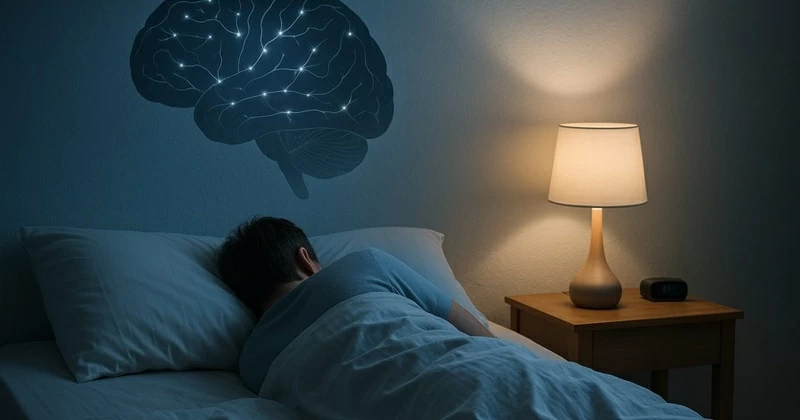
في لحظات السكون التي يفترض أن تكون مخصصة للراحة، قد يجد كثيرون أنفسهم مستيقظين فجأة في منتصف الليل، وسط أفكار متسارعة وشعور غامض بالقلق دون سبب واضح. لكن هذا الاستيقاظ، وفق تفسير علمي حديث، لا يعني بالضرورة وجود مشكلة خطيرة، بل قد يكون انعكاسًا لآلية دفاعية قديمة في الدماغ ما زالت تعمل داخل عالم مليء بالمحفزات والضغوط.
وتوضح البروفيسورة ميشيل سبير، أستاذة التشريح في جامعة بريستول، أن الدماغ البشري تطور عبر آلاف السنين ليبقى في حالة استعداد دائم لمواجهة الأخطار، إلا أن هذه الآلية نفسها قد تتفاعل اليوم مع ضغوط مختلفة تمامًا، مثل ضغوط العمل أو الرسائل العاجلة أو التفكير في المستقبل، وكأنها تهديدات تتطلب الاستنفار.
وتشير سبير إلى أن حاجة الجسم إلى النوم لا تعني بالضرورة أن العقل دخل حالة الراحة؛ فالإرهاق الجسدي قد يكون حاضرًا بقوة، بينما يبقى الدماغ نشطًا في محاولة لمعالجة المشكلات أو توقع التحديات القادمة.
ويرتبط هذا الأمر بما يعرف بـ«استجابة القتال أو الهروب»، وهي آلية فطرية تساعد الإنسان على التعامل مع المخاطر. غير أن الدماغ لا يميز دائمًا بين الخطر الحقيقي والضغوط اليومية، فعندما تنشط اللوزة الدماغية، يبدأ الجسم بإفراز هرمونات مثل الأدرينالين والكورتيزول، ما يرفع مستوى اليقظة ويجعل العودة إلى النوم أكثر صعوبة.
وتلفت البروفيسورة إلى أن اضطراب نمط النوم قد يرتبط أيضًا بخلل في الإيقاع الطبيعي لهرمون الكورتيزول؛ إذ ينخفض مستواه عادة خلال ساعات المساء لتهيئة الجسم لإنتاج الميلاتونين المسؤول عن النعاس والاستعداد للنوم. لكن استمرار التوتر قد يبقي الجسم في حالة تأهب حتى في الوقت الذي يفترض أن يهدأ فيه.
ولا تقتصر أسباب هذه الحالة على العوامل الداخلية، إذ تلعب التكنولوجيا الحديثة دورًا مؤثرًا في إبقاء الدماغ نشطًا خلال الليل. فالشاشات لا تؤثر فقط بسبب الضوء الذي قد يعيق إفراز الميلاتونين، بل أيضًا بسبب المحتوى المحفز الذي يواصل تنشيط العقل، مثل متابعة الأخبار أو التصفح المستمر أو البحث عن معلومات جديدة.
وترى سبير أن التعامل مع اضطرابات الاستيقاظ الليلي لا يعتمد فقط على الحلول الدوائية، بل يحتاج إلى إعادة تنظيم العلاقة بين الدماغ والنوم من خلال عادات ثابتة تساعد على استعادة الإيقاع الطبيعي، مثل الحفاظ على مواعيد نوم منتظمة، والتعرض لضوء النهار، وتقليل استخدام الأجهزة الإلكترونية قبل الخلود إلى النوم.
كما يعد العلاج السلوكي المعرفي للأرق من الوسائل الفعالة في هذا المجال، إذ يساعد على إزالة الارتباط بين السرير والقلق، وإعادة بناء علاقة أكثر هدوءًا بين وقت النوم والشعور بالراحة.
وتؤكد سبير أن النشاط البدني والالتزام بروتين يومي منتظم يمكن أن يساهما في تهدئة استجابة التوتر وتقليل حالة التأهب التي تبقي الدماغ في حالة يقظة.
وفي النهاية، فإن الاستيقاظ أثناء الليل قد يكون نتيجة مباشرة لصراع بين عقل تطور لحماية الإنسان من المخاطر، وواقع حديث لا يتوقف عن إرسال إشارات الضغط والتوتر. فالدماغ لا يختار السهر عبثًا، بل يواصل البحث عن حلول وتوقع الاحتمالات إلى أن يشعر بأن البيئة المحيطة أصبحت آمنة بما يكفي للسماح بالراحة.
In the moments of stillness that are supposed to be dedicated to rest, many may find themselves suddenly awake in the middle of the night, surrounded by racing thoughts and a vague feeling of anxiety for no apparent reason. However, this awakening, according to recent scientific interpretation, does not necessarily indicate a serious problem; rather, it may reflect an ancient defensive mechanism in the brain that continues to operate within a world filled with stimuli and pressures.
Professor Michelle Speer, a professor of anatomy at the University of Bristol, explains that the human brain has evolved over thousands of years to remain in a constant state of readiness to face dangers. Yet, this very mechanism may now react to completely different pressures, such as work stress, urgent messages, or thinking about the future, as if they were threats requiring alertness.
Speer points out that the body's need for sleep does not necessarily mean that the mind has entered a state of rest; physical exhaustion may be strongly present while the brain remains active in trying to process problems or anticipate upcoming challenges.
This issue is related to what is known as the "fight or flight response," an innate mechanism that helps humans deal with dangers. However, the brain does not always distinguish between real danger and daily stressors. When the amygdala is activated, the body begins to release hormones such as adrenaline and cortisol, which increases alertness and makes it more difficult to return to sleep.
The professor notes that sleep pattern disturbances may also be linked to a disruption in the natural rhythm of cortisol; its levels typically decrease during the evening hours to prepare the body for melatonin production, which is responsible for drowsiness and readiness for sleep. However, prolonged stress may keep the body in a state of alertness even when it should be calming down.
The causes of this condition are not limited to internal factors, as modern technology plays a significant role in keeping the brain active during the night. Screens affect not only due to the light that may hinder melatonin secretion but also because of the stimulating content that continues to engage the mind, such as following the news, continuous browsing, or searching for new information.
Speer believes that addressing nighttime awakening disorders does not rely solely on pharmaceutical solutions but requires reorganizing the relationship between the brain and sleep through consistent habits that help restore the natural rhythm, such as maintaining regular sleep schedules, exposure to daylight, and reducing the use of electronic devices before bedtime.
Cognitive behavioral therapy for insomnia is also considered an effective means in this area, as it helps to remove the association between the bed and anxiety, and rebuild a calmer relationship between bedtime and the feeling of relaxation.
Speer emphasizes that physical activity and adherence to a regular daily routine can contribute to calming the stress response and reducing the state of alertness that keeps the brain awake.
In conclusion, waking up during the night may be a direct result of a struggle between a mind evolved to protect humans from dangers and a modern reality that continuously sends signals of stress and tension. The brain does not choose to stay awake for no reason; rather, it continues to search for solutions and anticipate possibilities until it feels that the surrounding environment has become safe enough to allow for rest.