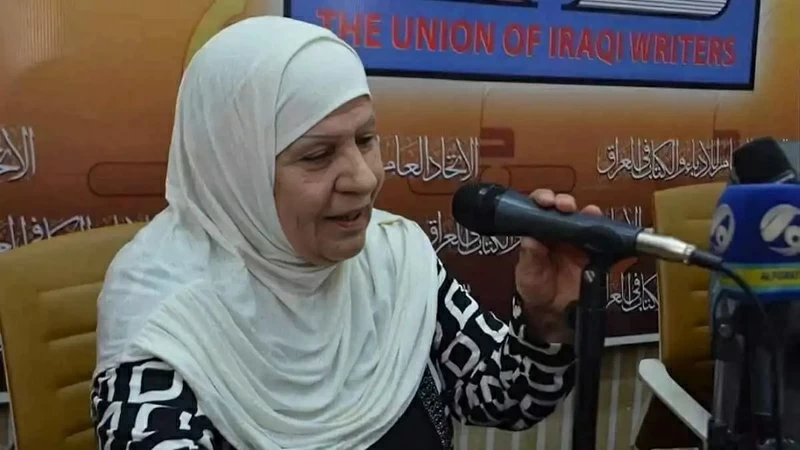
توفيت الإذاعية العراقية هدى رمضان، (الجمعة)، عن عمر ناهز 80 عاماً، بعد معاناة مع المرض، تاركة وراءها إرثاً ذهبياً في تاريخ إذاعة بغداد، التي شكّلت الوجدان الثقافي العراقي. ونعى اتحاد الإذاعيين والتلفزيونيين العراقيين الفقيدة، مستذكراً مسيرتها التي بدأت في أواخر الستينات، حيث تميّزت بلغة عربية سليمة وثقافة أدبية ناضجة، ما جعلها من أبرز الأسماء الإذاعية، إذ اشتهرت بأداء صوتي مميز وإلقاء آسر، فوصلت بسرعة إلى مصاف المذيعين المحترفين منذ تعيينها عام 1967. صقلت هدى رمضان موهبتها في معهد التدريب الإذاعي والتلفزيوني على يد أساتذة مثل أسعد عبد الرازق وبدري حسون فريد، وبدأت رحلتها البرامجية ببرنامج "ما يطلبه المستمعون"، ثم البرنامج الأدبي الموسيقي "أقبل الليل"، الذي جمع بين الشعر والرسائل الإنسانية. امتدت شهرة هدى رمضان خارج الأستوديو عبر برنامجها المباشر "مرحباً بغداد"، الذي عزز التواصل الحي مع المستمعين داخل العراق وخارجه، ما جعلها رمزاً إعلامياً تفاعلياً تجاوز التقديم العادي ليصبح جزءاً من الذاكرة الجماعية وتاريخ الإعلام المعاصر.
The Iraqi broadcaster Huda Ramadan passed away on (Friday), at the age of nearly 80, after a struggle with illness, leaving behind a golden legacy in the history of Baghdad radio, which shaped the Iraqi cultural consciousness. The Union of Iraqi Broadcasters and Television Workers mourned the deceased, recalling her career that began in the late 1960s, where she distinguished herself with a fluent Arabic language and a mature literary culture, which made her one of the most prominent radio names, as she became famous for her distinctive vocal performance and captivating delivery, quickly reaching the ranks of professional broadcasters since her appointment in 1967. Huda Ramadan honed her talent at the Radio and Television Training Institute under the guidance of teachers like As'ad Abdul Razzaq and Badri Hassoun Farid, and began her programming journey with the show "What Listeners Request," followed by the literary musical program "The Night Has Come," which combined poetry and human messages. Huda Ramadan's fame extended beyond the studio through her live program "Hello Baghdad," which enhanced live interaction with listeners inside and outside Iraq, making her a symbol of interactive media that transcended ordinary presentation to become part of the collective memory and history of contemporary media.