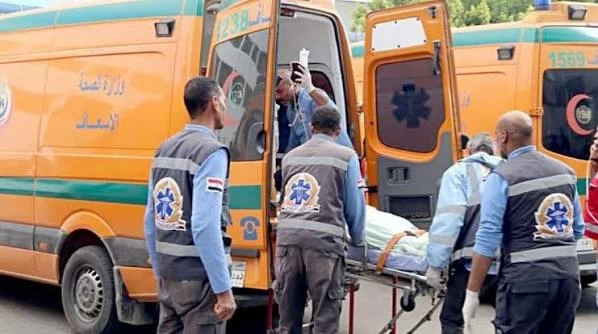
شهدت قرية الشوبك الشرقي التابعة لمركز الصف بمحافظة الجيزة، جنوب القاهرة، حالة من الاستنفار الصحي، بعد إصابة نحو 100 مواطن، بينهم أطفال ومسنون، بأعراض تسمم غذائي حاد، عقب تناولهم مشروب «البوظة» الذي كان يبيعه أحد الباعة الجائلين داخل سوق القرية.
وتلقت الأجهزة الأمنية والصحية بلاغات متتالية بوصول عشرات المواطنين إلى مستشفيات المنطقة وهم يعانون من آلام شديدة في البطن ومغص معوي وأعراض إعياء مفاجئة، ما استدعى رفع درجة الاستعداد داخل المستشفيات لاستقبال الحالات وتقديم الرعاية الطبية اللازمة.
وكشفت المؤشرات الأولية وأقوال عدد من المصابين أن جميعهم تناولوا مشروب «البوظة» من بائع متجول في «سوق الخميس» بالقرية، قبل أن تبدأ أعراض التسمم في الظهور عليهم خلال فترة قصيرة.
وعلى الفور، دفعت الأجهزة التنفيذية والصحية بفرق طبية لمتابعة الموقف، حيث جرى توزيع المصابين على عدد من المستشفيات لإجراء الفحوصات الطبية اللازمة وتلقي العلاج، مع توفير المحاليل والأدوية اللازمة للحالات المصابة.
وأظهرت الفحوصات الأولية إصابة المرضى بميكروب حاد بالمعدة ناتج عن تلوث غذائي، فيما أكدت المتابعة الميدانية أن الوضع الصحي بدأ يشهد استقراراً تدريجياً، بعدما تماثلت غالبية الحالات للشفاء وغادرت المستشفيات عقب تحسن حالتها، بينما لا يزال عدد محدود من المصابين يخضع للملاحظة الطبية للاطمئنان على استقرار حالتهم.
وفي الوقت نفسه، واصلت الأجهزة الصحية والرقابية حملاتها لسحب عينات من الأغذية والمشروبات المتداولة في الأسواق المحيطة وإخضاعها للفحص المعملي، بالتزامن مع استكمال التحقيقات لتحديد ملابسات الواقعة ومصدر التلوث.
كما ألقت الأجهزة الأمنية بمديرية أمن الجيزة القبض على البائع المتجول المشتبه في تسببه بالواقعة، وبدأت الجهات المختصة اتخاذ الإجراءات القانونية اللازمة بحقه، في انتظار نتائج التحاليل النهائية التي ستحدد السبب الدقيق للتسمم.
وتُعد حالات التسمم الغذائي الجماعي من الوقائع التي تتعامل معها وزارة الصحة المصرية بصورة عاجلة، إذ يتم تفعيل خطط الطوارئ فور رصد أي زيادة غير طبيعية في أعداد المصابين، مع نقل الحالات إلى المستشفيات، وتتبع مصدر الأغذية أو المشروبات المشتبه بها، وسحب عينات لتحليلها في المعامل المركزية.
وتنتشر في الأسواق الشعبية والقرى المصرية بعض المشروبات التقليدية التي تُباع بواسطة باعة جائلين، من بينها «البوظة»، وهو مشروب شعبي يُعد بطرق مختلفة حسب المنطقة، إلا أن عدم الالتزام بالاشتراطات الصحية أو سوء التخزين والتداول قد يؤدي إلى تلوثه بالبكتيريا أو الميكروبات المسببة للتسمم الغذائي، خاصة في ظل ارتفاع درجات الحرارة خلال فصل الصيف.
وتشدد الجهات الصحية والرقابية بصورة دورية على تكثيف حملات التفتيش على منافذ بيع الأغذية والمشروبات، ومراقبة الباعة الجائلين، لضمان الالتزام بمعايير السلامة الغذائية، والحد من تكرار حوادث التسمم الجماعي التي تمثل خطراً على الصحة العامة.
The village of Al-Shoubak Al-Sharqi, belonging to the Saf district in Giza Governorate, south of Cairo, witnessed a state of health alert after about 100 citizens, including children and the elderly, showed symptoms of acute food poisoning after consuming a drink called "boza" sold by a street vendor inside the village market.
The security and health authorities received consecutive reports of dozens of citizens arriving at local hospitals suffering from severe abdominal pain, intestinal cramps, and sudden fatigue symptoms, prompting an increase in readiness within hospitals to receive cases and provide necessary medical care.
Initial indicators and statements from several of the affected individuals revealed that all of them had consumed "boza" from a street vendor in the "Thursday Market" in the village, before symptoms of poisoning began to appear shortly thereafter.
Immediately, the executive and health authorities dispatched medical teams to monitor the situation, distributing the injured among several hospitals for necessary medical examinations and treatment, while providing the required solutions and medications for the affected cases.
Initial tests showed that the patients were infected with a severe stomach microbe resulting from food contamination, while field monitoring confirmed that the health situation began to stabilize gradually, as the majority of cases recovered and left the hospitals after their condition improved, while a limited number of patients remained under medical observation to ensure their condition's stability.
At the same time, health and regulatory authorities continued their campaigns to collect samples of food and drinks circulating in the surrounding markets and subject them to laboratory testing, concurrently with ongoing investigations to determine the circumstances of the incident and the source of contamination.
The security authorities in the Giza Security Directorate also arrested the suspected street vendor responsible for the incident, and the relevant authorities began taking the necessary legal actions against him, awaiting the results of the final analyses that will determine the exact cause of the poisoning.
Collective food poisoning cases are incidents that the Egyptian Ministry of Health addresses urgently, activating emergency plans as soon as any abnormal increase in the number of affected individuals is detected, transferring cases to hospitals, tracing the source of suspected food or drinks, and collecting samples for analysis in central laboratories.
Traditional drinks sold by street vendors, including "boza," are common in popular markets and Egyptian villages, prepared in various ways depending on the region. However, non-compliance with health regulations or poor storage and handling can lead to contamination with bacteria or microbes causing food poisoning, especially during the high temperatures of summer.
Health and regulatory authorities regularly emphasize the need to intensify inspection campaigns at food and beverage sales outlets and monitor street vendors to ensure compliance with food safety standards and reduce the recurrence of collective poisoning incidents that pose a risk to public health.