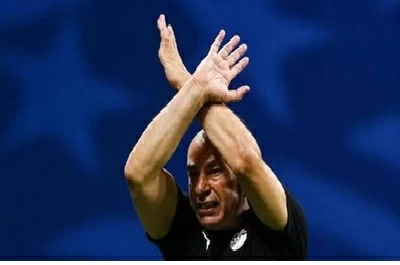
بينما كانت الجماهير تتابع أصداء الموقعة الكروية المثيرة بين منتخبي مصر والأرجنتين، اشتعلت جبهة أخرى غير متوقعة تماماً، ولكن هذه المرة في كواليس العالم الرقمي المظلم، إذ فجّر قرصان إلكتروني غامض مفاجأة مدوية بزعمه اختراق الأنظمة الحصينة للاتحاد الأرجنتيني لكرة القدم (AFA) وعرض بياناته الحساسة للبيع في سوق الهكرز.
المثير للجدل والفضول في آنٍ واحد، هو أن هذا المخترق اختار لنفسه اسماً مألوفاً للغاية في الشارع الرياضي العربي، إذ أطلق على حسابه المستعار اسم «حسام حسن»، ليربط خطته الهجومية بالتوقيت الساخن للمباراة.
ما البيانات المعروضة للبيع؟
وفقاً للإعلان المرصود على أحد منتديات القرصنة الشهيرة، ادعى الهاكر «حسام حسن» أنه نجح في سحب قاعدة بيانات ضخمة وحساسة تخص المستخدمين والمسجلين في موقع الاتحاد الأرجنتيني. وشملت القائمة المزعومة ملفات في غاية الخطورة:
- ملفات الهوية الشخصية: أرقام الهوية الوطنية، الأسماء، وأرقام الهواتف.
- بيانات الحسابات السرية: عناوين البريد الإلكتروني وكلمات المرور المُشفّرة.
- المعلومات الرقمية: عناوين بروتوكول الإنترنت (IP) الخاصة بالمستخدمين.
- المحتوى الخاص: صور شخصية للمستخدمين المخزنة في أنظمة الاتحاد.
هل وقعت الأرجنتين في الفخ؟
رغم الضجة الهائلة التي أحدثها الإعلان وتوقيته الذكي، إلا أن خبراء الأمن السيبراني يطالبون بالتروي، نظراً لوجود علامات استفهام كبرى تحيط برواية الهاكر. ففي تحليل رقمي: كشفت شركة «hackmanac» المتخصصة في تتبع الهجمات السيبرانية، عبر تدوينة لها على منصة «إكس»، أن القرصان الذي يحمل اسم «حسام حسن» لم يقدم حتى اللحظة أي أدلة فنية ملموسة، كما امتنع عن نشر أي عينات مجانية (Samples) من البيانات لإثبات صدق ادعائه، ولم يوضح الطريقة أو الثغرة التي استخدمها للتوغل داخل السيرفرات.
وحتى هذه الساعة، يلف الغموض الواقعة بالكامل، إذ التزم الاتحاد الأرجنتيني لكرة القدم الصمت التام، ولم يصدر أي تأكيد أو نفي رسمي بشأن تعرض أمنه الرقمي للاختراق، كما لا توجد أي مؤشرات مستقلة تثبت صحة هذا التسريب، مما يفتح الباب أمام احتمالية أن يكون الإعلان مجرد محاولة احتيال مستغلةً الزخم الرياضي للمباراة، أو رغبة من الهاكر المجهول في صناعة «تريند» عالمي صاخب.
While the crowds were following the echoes of the thrilling football match between the national teams of Egypt and Argentina, another completely unexpected front ignited, this time in the shadows of the dark digital world. A mysterious hacker made a sensational claim of having breached the secure systems of the Argentine Football Association (AFA) and offered its sensitive data for sale in the hackers' market.
The controversial and intriguing aspect is that this hacker chose a name that is very familiar in the Arab sports community, as he named his alias "Hossam Hassan," linking his offensive plan to the hot timing of the match.
What data is being offered for sale?
According to an announcement spotted on one of the famous hacking forums, the hacker "Hossam Hassan" claimed to have successfully extracted a massive and sensitive database concerning users and registrants on the Argentine Football Association's website. The alleged list included extremely dangerous files:
- Personal identification files: national ID numbers, names, and phone numbers.
- Secret account data: email addresses and encrypted passwords.
- Digital information: users' Internet Protocol (IP) addresses.
- Private content: personal photos of users stored in the association's systems.
Did Argentina fall into the trap?
Despite the enormous buzz generated by the announcement and its clever timing, cybersecurity experts are calling for caution, as there are major questions surrounding the hacker's narrative. In a digital analysis, the company "hackmanac," which specializes in tracking cyberattacks, revealed in a post on the "X" platform that the hacker using the name "Hossam Hassan" has not provided any tangible technical evidence so far, has refrained from publishing any free samples of the data to prove the validity of his claims, and did not clarify the method or vulnerability he used to penetrate the servers.
As of this moment, the entire incident remains shrouded in mystery, as the Argentine Football Association has maintained complete silence and has not issued any official confirmation or denial regarding the breach of its digital security. Furthermore, there are no independent indicators to verify the authenticity of this leak, raising the possibility that the announcement is merely an attempted scam exploiting the sporting momentum of the match, or a desire from the unknown hacker to create a loud global trend.