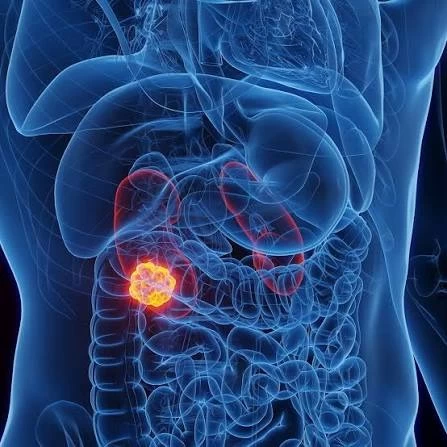
أظهرت نتائج دراسة سريرية حديثة نتائج مشجعة لعقار تجريبي جديد يحمل اسم "كاسداتيفان" (Casdatifan)، قد يمثل خياراً علاجياً واعداً لمرضى سرطان الخلايا الكلوية الصافية النقيلي (ccRCC)، وهو أكثر أنواع سرطان الكلى شيوعاً، خاصة لدى المرضى الذين لم يستجيبوا للعلاجات المناعية أو الموجهة المتاحة حالياً.
ونُشرت نتائج الدراسة في دورية Nature العلمية، واستندت إلى بيانات تجربة سريرية مبكرة من المرحلتين الأولى والثانية حملت اسم ARC-20، وأجراها باحثون من معهد دانا-فاربر للسرطان في الولايات المتحدة، وشملت 127 مريضاً يعانون من سرطان الكلى المتقدم بعد تلقيهم عدة خطوط علاجية سابقة، بمتوسط ثلاثة خطوط علاجية، فيما وصل بعض المرضى إلى 11 خطاً علاجياً.
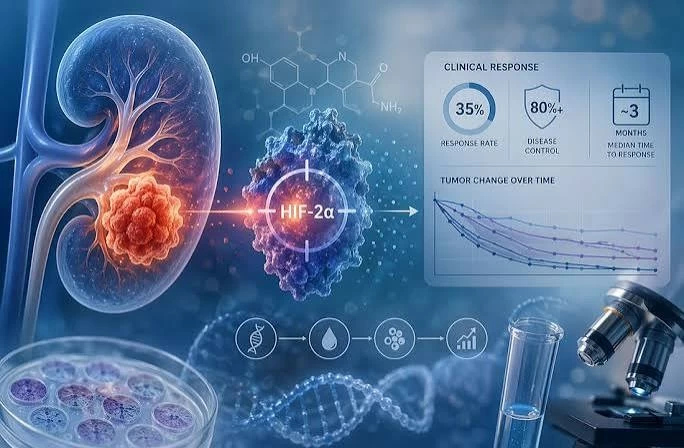
ويعتمد العقار، الذي يؤخذ عن طريق الفم مرة واحدة يومياً، على تثبيط بروتين HIF-2α، وهو أحد المحركات الرئيسية لنمو وانتشار سرطان الخلايا الكلوية الصافية، إذ يؤدي نشاطه غير الطبيعي إلى تحفيز الورم على تكوين أوعية دموية جديدة والاستمرار في النمو نتيجة طفرات تصيب الجين الكابت للأورام VHL.
وأظهرت الدراسة أن المرضى الذين تلقوا الجرعة المعتمدة للدراسات المستقبلية، والبالغة 100 ملغ يومياً، حققوا معدل استجابة مؤكدة بلغ 35%، أي حدوث انكماش واضح في الأورام وفق المعايير الطبية، بينما بلغ معدل الاستجابة في جميع المشاركين 31%، مع تسجيل حالة شفاء كامل واحدة.
كما نجح العقار في السيطرة على المرض ومنع تقدمه لدى 84% من المرضى الذين تلقوا جرعة 100 ملغ، مقارنة بـ81% في إجمالي المشاركين، فيما بلغ متوسط فترة البقاء دون تقدم المرض 12.2 شهراً، وهي نتائج وصفها الباحثون بالمشجعة مقارنة بالعلاجات الموجهة الحالية، مع بيانات لاحقة أشارت إلى ارتفاع معدل الاستجابة إلى 45% ومتوسط بقاء دون تقدم المرض بلغ 15.1 شهراً، إلا أن هذه النتائج لا تزال بحاجة إلى تأكيد من خلال دراسات أكبر.
وربطت الدراسة للمرة الأولى بين فعالية العلاج ومؤشر حيوي يمكن قياسه في الدم، إذ تبين أن الانخفاض الكبير في مستوى هرمون الإريثروبويتين (EPO) بعد بدء العلاج ارتبط باستجابة أفضل وفترات أطول دون تقدم المرض، ما قد يساعد مستقبلاً في تحديد المرضى الأكثر استفادة من هذا النوع من العلاج الموجه.
وأوضح الباحثون أن هذه النتائج تؤكد أن العقار يستهدف الآلية البيولوجية المسؤولة عن نمو الورم بصورة مباشرة، وليس بشكل عشوائي، وهو ما يعزز فرص استخدام المؤشرات الحيوية لتخصيص العلاج وفق طبيعة كل مريض.
وعلى صعيد السلامة، أظهر "كاسداتيفان" ملف أمان مقبولاً، وكانت أبرز الآثار الجانبية فقر الدم وانخفاض مستويات الأكسجين في الدم، وهي أعراض متوقعة مع هذه الفئة من الأدوية.
وسُجلت آثار جانبية خطيرة لدى نحو 31% من المرضى، بينما اضطر عدد محدود فقط إلى إيقاف العلاج بسبب نقص الأكسجين، في حين لم يتوقف أي مريض عن العلاج بسبب فقر الدم، وهو ما يشير إلى إمكانية التعامل مع معظم الأعراض من خلال تعديل الجرعات أو إيقاف العلاج مؤقتاً.
ورغم النتائج الإيجابية، شدد الباحثون على أن "كاسداتيفان" لا يزال عقاراً تجريبياً ولم يحصل بعد على الموافقات التنظيمية لعلاج سرطان الكلى، كما أن تجربة ARC-20 لم تتضمن مجموعة مقارنة بعلاج آخر أو دواء وهمي، وهو ما يستدعي انتظار نتائج الدراسات الأكبر قبل اعتماد العقار بشكل نهائي.
ويخضع الدواء حالياً للتقييم في تجربة دولية من المرحلة الثالثة تحمل اسم PEAK-1، وتقارن بين استخدام "كاسداتيفان" مع عقار كابوزانتينيب مقابل استخدام كابوزانتينيب وحده لدى مرضى سرطان الخلايا الكلوية الصافية المتقدم أو النقيلي بعد فشل العلاج المناعي، في خطوة قد تحدد مستقبل هذا العلاج كأحد الخيارات الجديدة لمرضى سرطان الكلى المقاوم للعلاج.
Recent results from a clinical study have shown encouraging outcomes for a new experimental drug named "Casdatifan," which may represent a promising treatment option for patients with metastatic clear cell renal carcinoma (ccRCC), the most common type of kidney cancer, especially among patients who have not responded to currently available immunotherapies or targeted treatments.
The study results were published in the scientific journal Nature and were based on data from an early-phase clinical trial, named ARC-20, conducted by researchers at the Dana-Farber Cancer Institute in the United States. The trial included 127 patients suffering from advanced kidney cancer after receiving multiple prior lines of treatment, with an average of three treatment lines, while some patients had received up to 11 lines of treatment.
The drug, which is taken orally once daily, works by inhibiting the HIF-2α protein, one of the main drivers of the growth and spread of clear cell renal carcinoma. Its abnormal activity stimulates the tumor to form new blood vessels and continue to grow due to mutations affecting the tumor suppressor gene VHL.
The study showed that patients who received the approved dose for future studies, which is 100 mg daily, achieved a confirmed response rate of 35%, indicating a clear shrinkage of tumors according to medical criteria, while the overall response rate among all participants was 31%, with one case of complete remission recorded.
The drug also successfully controlled the disease and prevented its progression in 84% of patients who received the 100 mg dose, compared to 81% in the total participants, while the median progression-free survival was 12.2 months. Researchers described these results as encouraging compared to current targeted therapies, with subsequent data indicating an increase in the response rate to 45% and a median progression-free survival of 15.1 months, although these results still need confirmation through larger studies.
For the first time, the study linked treatment efficacy to a measurable biomarker in the blood, showing that a significant decrease in the level of erythropoietin (EPO) hormone after starting treatment was associated with better responses and longer periods without disease progression, which may help in the future to identify patients who would benefit most from this type of targeted therapy.
The researchers explained that these results confirm that the drug directly targets the biological mechanism responsible for tumor growth, rather than acting randomly, which enhances the prospects of using biomarkers to tailor treatment according to each patient's needs.
Regarding safety, "Casdatifan" demonstrated an acceptable safety profile, with the most notable side effects being anemia and decreased blood oxygen levels, which are expected symptoms with this class of drugs.
Serious side effects were recorded in about 31% of patients, while only a limited number had to stop treatment due to oxygen deficiency, and no patient discontinued treatment due to anemia, indicating that most symptoms can be managed through dose adjustments or temporary treatment cessation.
Despite the positive results, the researchers emphasized that "Casdatifan" is still an experimental drug and has not yet received regulatory approvals for the treatment of kidney cancer. Additionally, the ARC-20 trial did not include a comparator group receiving another treatment or a placebo, necessitating the waiting for results from larger studies before the drug can be definitively approved.
The drug is currently being evaluated in an international phase III trial named PEAK-1, which compares the use of "Casdatifan" with cabozantinib versus the use of cabozantinib alone in patients with advanced or metastatic clear cell renal carcinoma after failure of immunotherapy, a step that may determine the future of this treatment as one of the new options for treatment-resistant kidney cancer patients.