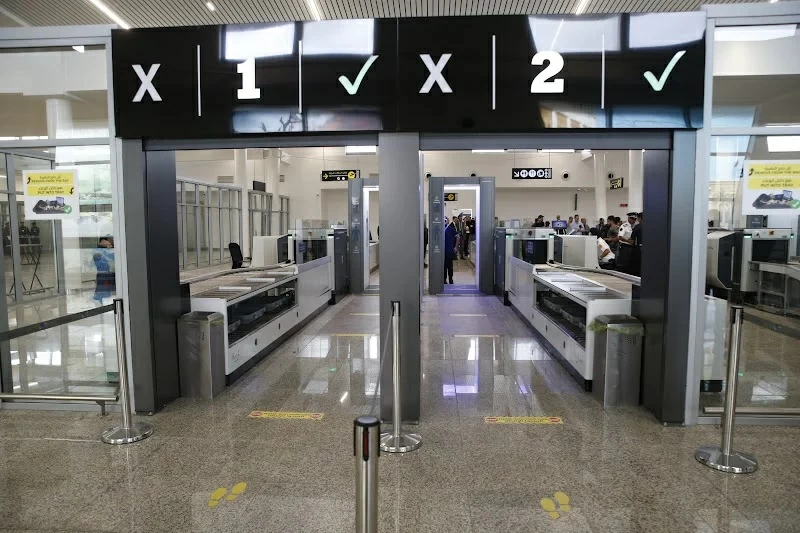
لم يكن الشاب الهندي البالغ من العمر 36 عاماً، يعلم أن رحلته الجوية الهادئة القادمة من إحدى العواصم العربية نحو مطار محمد الخامس الدولي بالدار البيضاء ستكون محطته الأخيرة في عالم الحرية. فبمجرد أن وضع جواز سفره على الماسح الضوئي في بوابة المراقبة، أضاءت الشاشات باللون الأحمر، لتعلن أن المسافر الهادئ ليس سوى صيد دولي ثمين، تطارده الأجهزة الفيدرالية الأمريكية منذ سنوات.
العملية الخاطفة التي نفذتها عناصر الأمن الوطني المغربي، لم تكن وليدة الصدفة، بل جاءت بناءً على أمر دولي صادر عن المكتب المركزي الوطني بواشنطن (الأجهزة القضائية الأمريكية)، بعد إدراج اسم الراكب على قوائم «الإنتربول» أحد أخطر المطلوبين في الجرائم المالية والاقتصادية المنظمة.
الرعب عبر الهاتف
تكشف تفاصيل التحقيقات الأمريكية، التي تقاطعت مع المعطيات الأولية للأمن المغربي، شبكةً إجراميةً شديدة التعقيد قادها المتهم بين عامي 2020 و2021. لم يكن الأمر يتعلق باحتيال إلكتروني تقليدي، بل بإدارة «مركز نداء» (Call Center) سري في قلب واشنطن، تحول إلى غرفة عمليات لممارسة الابتزاز السيكولوجي ضد مواطنين أمريكيين.
الخطة كانت تعتمد على الحرب النفسية، إذ يقوم موظفو المركز بالاتصال بالضحايا منتحلين صفات ضباط شرطة وموظفين في أجهزة إنفاذ القانون الأمريكية. وبنبرة حادة وصارمة، يتم إيهام الضحايا بأنهم ملاحقون قضائياً ويواجهون خطراً حتمياً بالسجن.
وتحت تأثير الذعر والتهديد بالمحاكمة، كان الضحايا يرضخون لطلبات الشبكة، ويقومون بتحويل مبالغ مالية ضخمة عبر حسابات وسيطة. وهنا يأتي دور المتهم الهندي في إدارة عمليات غسيل الأموال، إذ كان يتولى سحب هذه التدفقات النقدية فوراً باستخدام وثائق هوية وبطاقات تعريفية مزورة، تختفي معها معالم الجريمة.
رحلة التسليم
توقيف هذا المبتز الدولي في الدار البيضاء يعكس اليقظة الصارمة للمصالح الأمنية المغربية، والتزامها بتفعيل بروتوكولات التعاون الدولي لملاحقة الجريمة العابرة للحدود، التي لا تعترف بالمسافات.
وفور تصفيد المتهم، تم إخضاعه للتدابير القانونية ومسطرة الحراسة النظرية تحت إشراف النيابة العامة المختصة، تمهيداً لتقديمه أمام القضاء للنظر في قرار تسليمه. وفي اللحظة نفسها، كان مكتب «أنتربول الرباط» يرسل برقية عاجلة إلى نظيره في واشنطن، ليبلغ الفيدراليين الأمريكيين بأن الرجل الذي يبحثون عنه بات الآن خلف القضبان في المغرب، بانتظار الطائرة التي ستعيده إلى أمريكا ليمثل أمام قضائها.
The 36-year-old Indian man did not know that his quiet flight coming from one of the Arab capitals to Mohammed V International Airport in Casablanca would be his last stop in the world of freedom. As soon as he placed his passport on the scanner at the security gate, the screens lit up red, announcing that the calm traveler was nothing but a valuable international target, pursued by U.S. federal agencies for years.
The swift operation carried out by Moroccan national security forces was not a coincidence; it came based on an international order issued by the National Central Bureau in Washington (U.S. judicial authorities), after the passenger's name was placed on the "Interpol" lists as one of the most wanted individuals for financial and organized economic crimes.
Phone Terror
Details of the American investigations, which intersected with the initial data from Moroccan security, reveal a highly complex criminal network led by the accused between 2020 and 2021. This was not a case of traditional electronic fraud, but rather the management of a secret "Call Center" in the heart of Washington, which turned into an operations room for practicing psychological extortion against American citizens.
The plan relied on psychological warfare, as the center's employees would call the victims impersonating police officers and employees of U.S. law enforcement agencies. With a sharp and stern tone, they would mislead the victims into believing that they were being pursued legally and faced an imminent threat of imprisonment.
Under the influence of panic and the threat of prosecution, the victims would succumb to the network's demands, transferring large sums of money through intermediary accounts. Here, the role of the Indian accused came into play in managing money laundering operations, as he would immediately withdraw these cash flows using fake identity documents and identification cards, erasing the traces of the crime.
Extradition Journey
The arrest of this international extortionist in Casablanca reflects the strict vigilance of Moroccan security services and their commitment to activating international cooperation protocols to pursue cross-border crime, which does not recognize distances.
As soon as the accused was detained, he was subjected to legal measures and preliminary custody procedures under the supervision of the competent public prosecutor, in preparation for presenting him to the judiciary to consider his extradition. At the same time, the "Interpol Rabat" office sent an urgent telegram to its counterpart in Washington, informing U.S. federal agents that the man they were searching for was now behind bars in Morocco, awaiting the plane that would return him to America to face its justice.