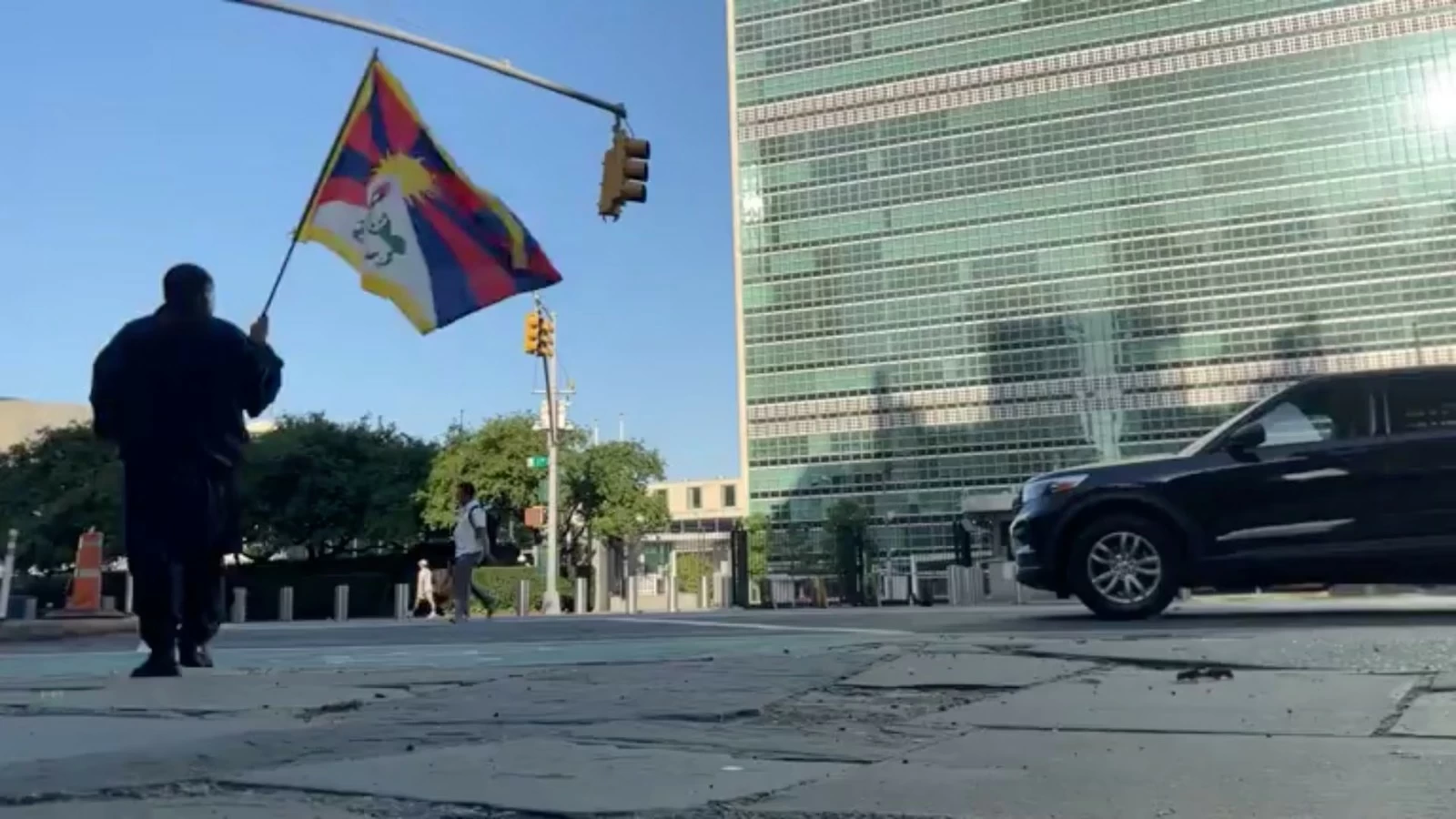
شهد محيط مقر الأمم المتحدة في مدينة نيويورك حادثًا مأساويًا، بعدما أقدم رجل على إشعال النار في جسده، قبل أن يفارق الحياة متأثرًا بحروقه البالغة، فيما قالت منظمات ووسائل إعلام تبتية في المنفى إن الضحية ناشط تبتي نفذ الخطوة احتجاجًا للمطالبة باستقلال إقليم التبت عن الصين.
وأعلنت شرطة مدينة نيويورك أنها تلقت بلاغًا مساء (الخميس) يفيد بوجود شخص مصاب بحروق شديدة بالقرب من مقر الأمم المتحدة، حيث عثرت عليه في حالة حرجة، وتم نقله إلى مستشفى بلفيو، لكنه توفي متأثرًا بإصاباته.
وأكدت الشرطة أن التحقيقات لا تزال جارية، دون الكشف عن هوية الرجل أو الدافع الرسمي وراء الحادث.
منظمات تبتية تكشف هوية الضحية
من جانبها، قالت إذاعة «صوت التبت»، وهي وسيلة إعلام يديرها تبتيون في المنفى، إن الضحية هو الناشط لوبغا رانغزين، مشيرة إلى أنه أضرم النار في نفسه بعد بث رسالة مباشرة دعا فيها إلى استقلال التبت ووحدة الشعب التبتي.
وذكرت وسائل إعلام محلية أن رانغزين كان يعمل سائقًا لدى شركة أوبر، وتوجه إلى موقع الحادثة وهو يحمل العلم التبتي.
ونقل موقع amNewYork عن أحد زملائه في الجالية التبتية، لوبسانغ بالجور، قوله إن رانغزين كان يشعر بغضب شديد إزاء القيود التي تفرضها الحكومة الصينية على أبناء التبت.
احتجاج يتزامن مع قانون صيني جديد
وجاءت الحادثة بعد أيام من دخول قانون صيني جديد بشأن «الوحدة القومية» حيز التنفيذ، وهو قانون يمنح بكين أساسًا قانونيًا لاتخاذ إجراءات تتعلق بالأقليات العرقية داخل الصين وخارجها.
ويهدف القانون، بحسب السلطات الصينية، إلى تعزيز هوية وطنية مشتركة بين القوميات الـ55 المعترف بها رسميًا، بما في ذلك التبتيون والإيغور.
لكن الولايات المتحدة والاتحاد الأوروبي أعربا عن قلقهما من القانون، فيما رفضه العديد من التبتيين في الداخل والخارج، معتبرين أنه يزيد من القيود المفروضة على هويتهم الثقافية والدينية.
تاريخ طويل من احتجاجات إحراق الذات
وتُعد حوادث إحراق الذات أحد أبرز أشكال الاحتجاج التي لجأ إليها بعض التبتيين خلال السنوات الماضية اعتراضًا على سياسات بكين في إقليم التبت والمناطق ذات الأغلبية التبتية.
ووفقًا لـ«الحملة الدولية من أجل التبت»، فقد سُجل أكثر من 150 حادثة إحراق ذات بين عامي 2009 و2022، بينها عشر حالات نفذها تبتيون يعيشون في المنفى.
رد الصين
ورداً على الحادثة، قال المتحدث باسم وزارة الخارجية الصينية، قوه جياكون، إن التبت «جزء لا يتجزأ من الأراضي الصينية منذ العصور القديمة»، معربًا عن ثقته في أن تتعامل السلطات الأمريكية مع القضية وفقًا لقوانينها.
في المقابل، تواصل منظمات حقوق الإنسان وجماعات التبت في المنفى انتقاد السياسات الصينية في الإقليم، متهمة بكين بفرض رقابة مشددة على السكان وقمع أي تحركات تُصنف على أنها دعوات انفصالية، وهي اتهامات ترفضها الحكومة الصينية بشكل متكرر.
ووصف تينشو غياتسو، رئيس «الحملة الدولية من أجل التبت»، الناشط الراحل بأنه «مدافع لا يكل عن قضية التبت»، معربًا عن حزنه العميق لوفاته.
The vicinity of the United Nations headquarters in New York City witnessed a tragic incident when a man set himself on fire, before succumbing to his severe burns. Exiled Tibetan organizations and media reported that the victim was a Tibetan activist who took this step in protest of the demand for the independence of Tibet from China.
The New York City Police announced that they received a report on Thursday evening about a person suffering from severe burns near the United Nations headquarters, where they found him in critical condition. He was transported to Bellevue Hospital but died from his injuries.
The police confirmed that investigations are still ongoing, without revealing the identity of the man or the official motive behind the incident.
Tibetan organizations reveal the victim's identity
For its part, the "Voice of Tibet" radio station, a media outlet run by Tibetans in exile, stated that the victim was activist Lobsang Rangzin, noting that he set himself on fire after broadcasting a live message calling for Tibetan independence and the unity of the Tibetan people.
Local media reported that Rangzin worked as an Uber driver and went to the site of the incident carrying the Tibetan flag.
amNewYork quoted one of his colleagues in the Tibetan community, Lobsang Paljor, saying that Rangzin felt intense anger over the restrictions imposed by the Chinese government on the Tibetan people.
Protest coincides with new Chinese law
The incident came days after a new Chinese law regarding "national unity" went into effect, which provides Beijing with a legal basis to take actions concerning ethnic minorities both within China and abroad.
The law, according to Chinese authorities, aims to promote a shared national identity among the 55 officially recognized ethnic groups, including Tibetans and Uyghurs.
However, the United States and the European Union expressed their concerns about the law, while many Tibetans both inside and outside Tibet rejected it, considering it an increase in the restrictions imposed on their cultural and religious identity.
A long history of self-immolation protests
Self-immolation incidents are among the most prominent forms of protest that some Tibetans have resorted to in recent years in objection to Beijing's policies in Tibet and Tibetan-majority areas.
According to the "International Campaign for Tibet," more than 150 self-immolation incidents were recorded between 2009 and 2022, including ten cases carried out by Tibetans living in exile.
China's response
In response to the incident, Chinese Foreign Ministry spokesperson, Zhao Lijian, stated that Tibet has been "an inseparable part of Chinese territory since ancient times," expressing confidence that U.S. authorities would handle the case according to their laws.
In contrast, human rights organizations and Tibetan groups in exile continue to criticize Chinese policies in the region, accusing Beijing of imposing strict censorship on the population and suppressing any movements classified as separatist, accusations that the Chinese government repeatedly denies.
Tenzin Gyatso, the head of the "International Campaign for Tibet," described the late activist as "an tireless advocate for the Tibetan cause," expressing his deep sorrow over his death.